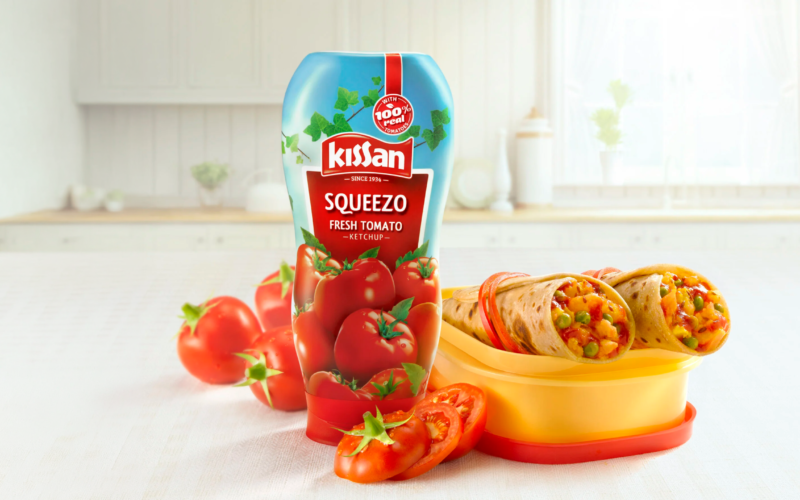
Kissan started as a scheme to help Indian farmers sell surplus produce. Nine decades and several owners later, it survives as a children's ketchup brand that sells almost entirely on tiffin box nostalgia.
For 15 years, Fair and Handsome was India's leading men's fairness cream. In 2020, Emami quietly rebuilt the brand around confidence rather than complexion. The rebrand was one of Indian FMCG's most deft cultural pivots and it was executed six months before HUL moved on the same problem.
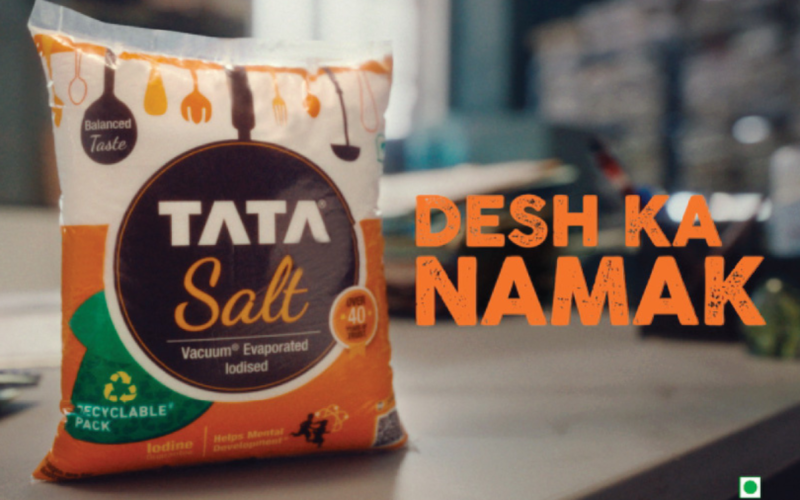
Salt has no taste differentiation, no visible quality signal, and no rational loyalty driver. Tata Consumer Products built ₹1,500 crore of brand value on it anyway, using a line that made buying salt feel like choosing the right side of history.
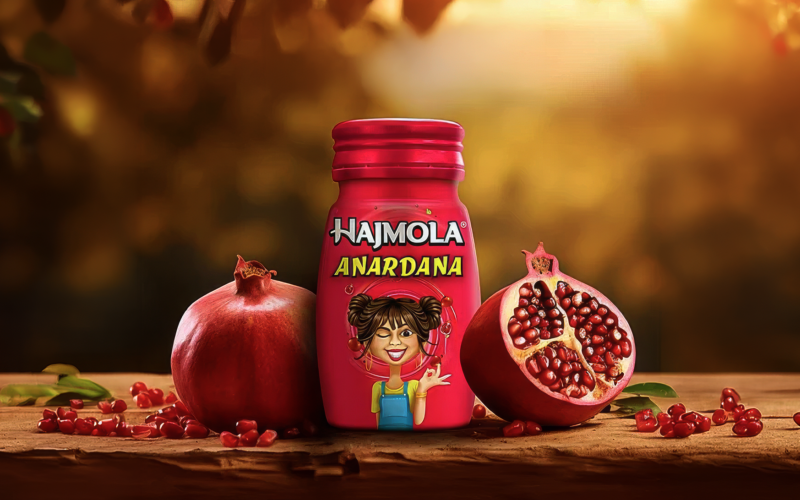
Hajmola was a digestive tablet for upset stomachs. Dabur repositioned it as a tasty daily candy for children without changing the formulation, and without losing the parents who trusted it as a remedy. That dual positioning is one of the hardest things to pull off in FMCG branding.
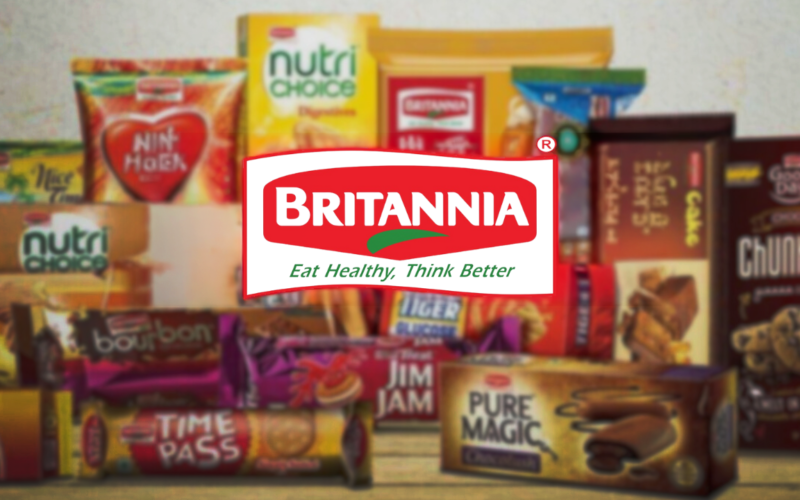
Britannia spent decades as a biscuit brand. Then it added "Think Better" to its identity. That small change signalled a profound strategic shift and the visual identity followed. Here's what the rebrand tells designers about how positioning and aesthetics must move together.
Most heritage brands coast on legacy. Dabur spent three decades systematically dismantling its pharmacy reputation and rebuilding as an FMCG powerhouse. The strategy that took it from ₹500 crore to ₹12,000 crore is a masterclass in brand transformation without losing trust.
·Editor's Desk
Cookie Consent
We use cookies to improve your experience on our site. By using our site, you consent to cookies.
Cookie Preferences
Manage your cookie preferences below:
Essential cookies enable basic functions and are necessary for the proper function of the website.
Name
Description
Duration
Cookie Preferences
This cookie is used to store the user's cookie consent preferences.
30 days
Statistics cookies collect information anonymously. This information helps us understand how visitors use our website.
Google Analytics is a powerful tool that tracks and analyzes website traffic for informed marketing decisions.
Contains information related to marketing campaigns of the user. These are shared with Google AdWords / Google Ads when the Google Ads and Google Analytics accounts are linked together.
90 days
__utma
ID used to identify users and sessions
2 years after last activity
__utmt
Used to monitor number of Google Analytics server requests
10 minutes
__utmb
Used to distinguish new sessions and visits. This cookie is set when the GA.js javascript library is loaded and there is no existing __utmb cookie. The cookie is updated every time data is sent to the Google Analytics server.
30 minutes after last activity
__utmc
Used only with old Urchin versions of Google Analytics and not with GA.js. Was used to distinguish between new sessions and visits at the end of a session.
End of session (browser)
__utmz
Contains information about the traffic source or campaign that directed user to the website. The cookie is set when the GA.js javascript is loaded and updated when data is sent to the Google Anaytics server
6 months after last activity
__utmv
Contains custom information set by the web developer via the _setCustomVar method in Google Analytics. This cookie is updated every time new data is sent to the Google Analytics server.
2 years after last activity
__utmx
Used to determine whether a user is included in an A / B or Multivariate test.
18 months
_ga
ID used to identify users
2 years
_gali
Used by Google Analytics to determine which links on a page are being clicked
30 seconds
_ga_
ID used to identify users
2 years
_gid
ID used to identify users for 24 hours after last activity
24 hours
_gat
Used to monitor number of Google Analytics server requests when using Google Tag Manager