Brand Journal
BoroPlus Entered Baby Care 40 Years Early
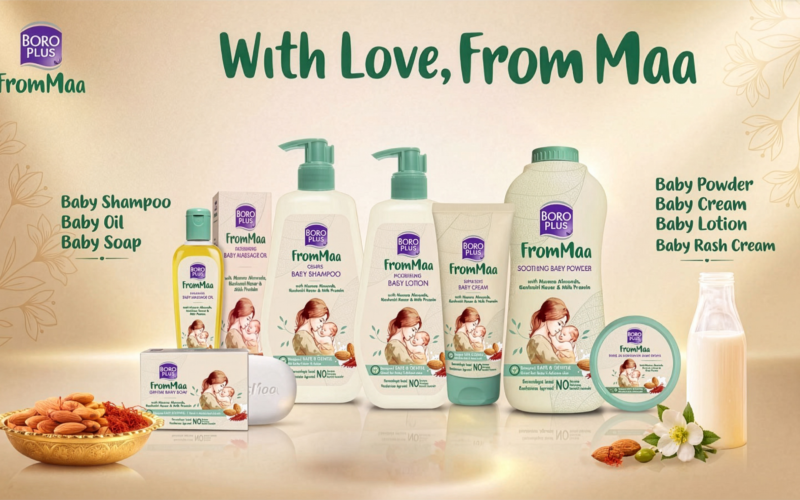
BoroPlus launched a seven-product baby care range in 2026, showing how a parent brand with deep consumer trust can enter a new category pre-approved.
BoroPlus launched a seven-product baby care range in 2026, showing how a parent brand with deep consumer trust can enter a new category pre-approved.
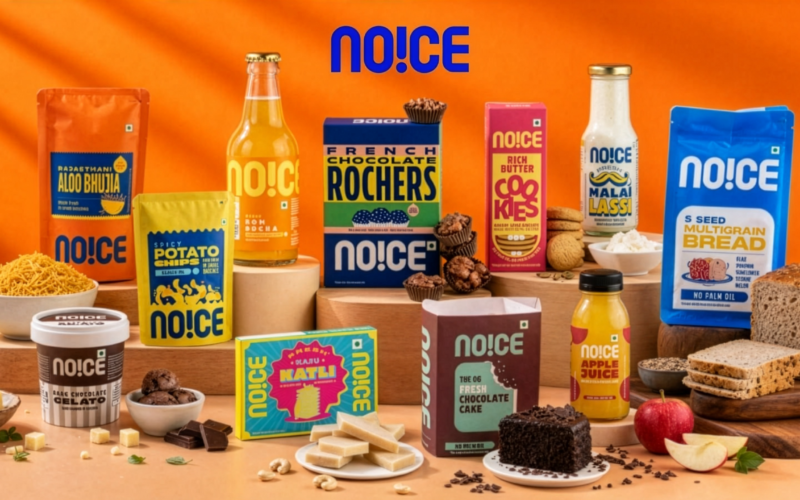
Swiggy's Noice brand reached 10% of Instamart orders without a single ad, proving that platform-controlled distribution is itself a media channel.
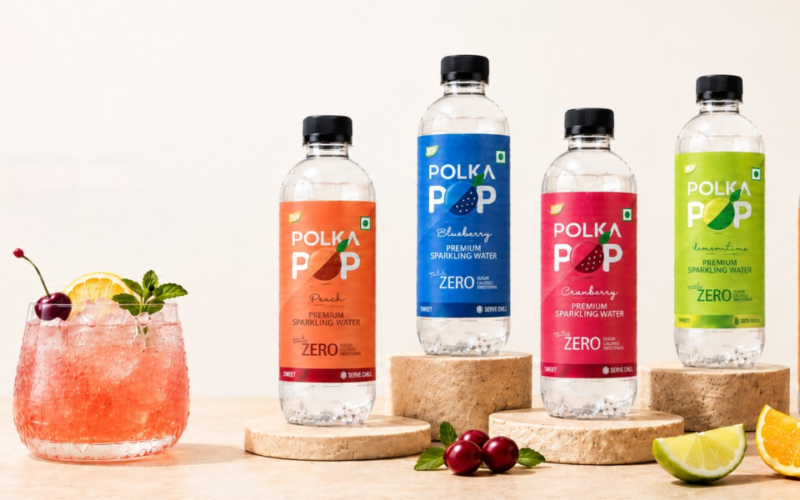
CavinKare's acquisition of Polka Pop shows what to do when your own brand name is too mass-market to enter a premium category.
Honasa Consumer's Q2 FY27 update proves that a brand house earns its structural advantage the moment the flagship matures, as younger brands take over the growth.
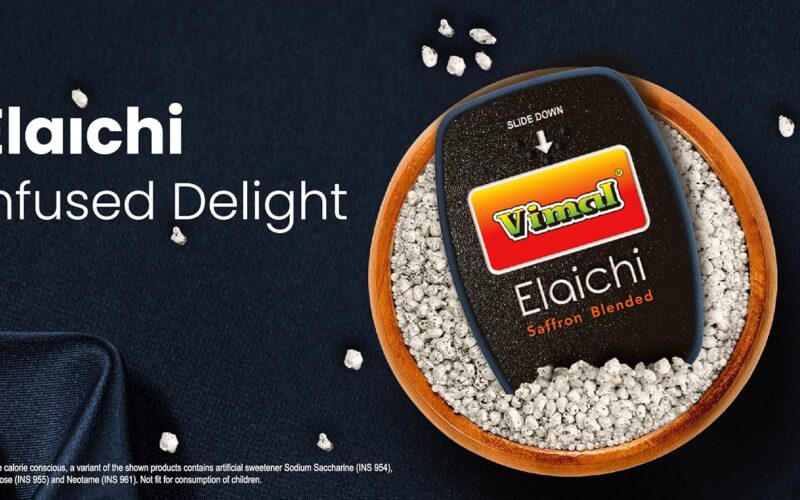
Vimal Elaichi's FDA case shows why borrowing a banned product's brand name converts every regulatory action into a crisis for the 'permitted' product too.
Lenskart launched Shunya, 37 culturally rooted frames, and turned its own app into a live concert venue, proving that a distribution channel can become the brand experience itself.
DailyObjects raised ₹332 crore and publicly retired its phone-case label, showing how naming a pivot is itself the brand move.
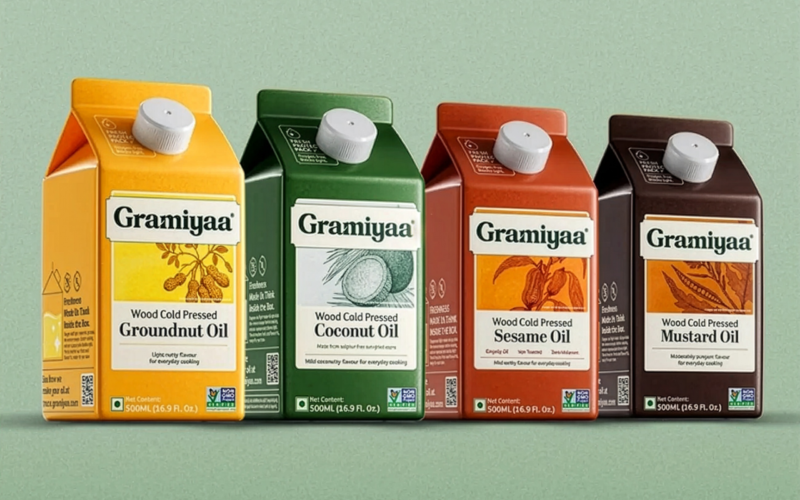
Gramiyaa raised a Rs 110 crore valuation by naming its extraction method rather than its benefit, proving a process claim beats a purity promise.
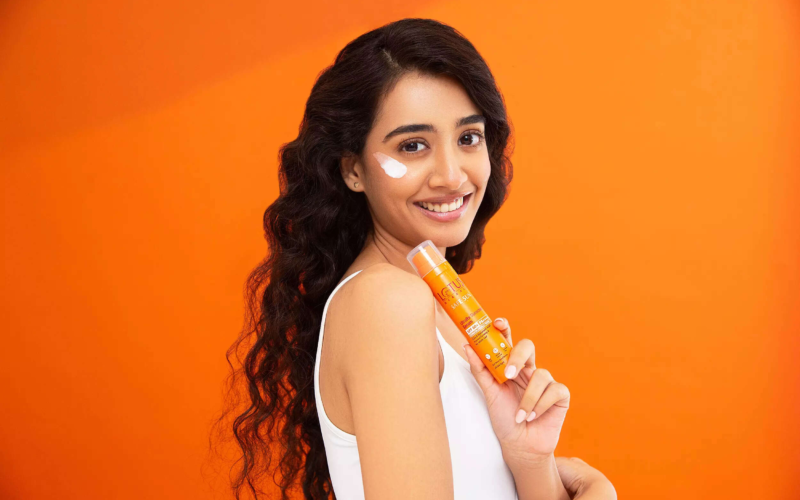
Lotus Herbals put niacinamide on the front of its 15-year-old White Glow Gel Crème without touching the formula, and that is the entire branding lesson.
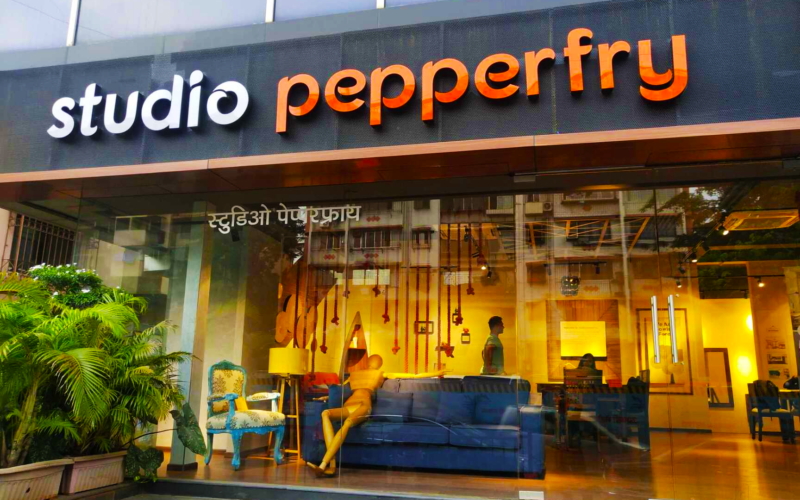
Pepperfry's 'Fashion for Home: Festive Edition' shows how attaching a slow-moving category to a Diwali deadline converts vague intent into a time-bound purchase decision.
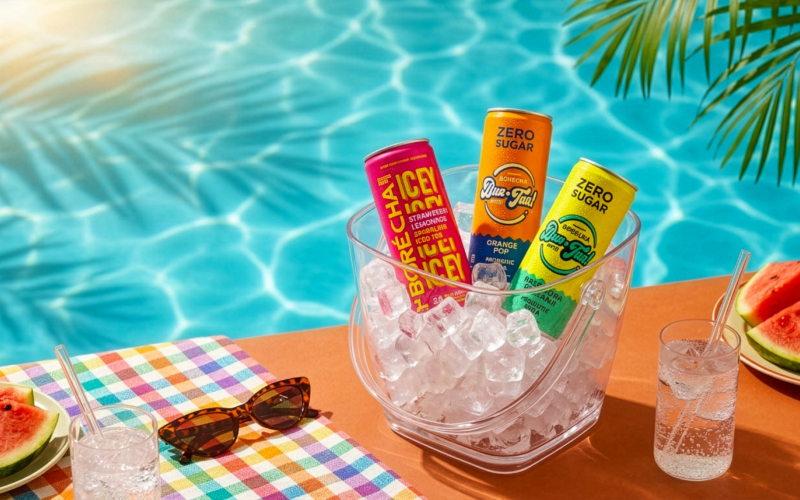
Borécha chose Swiggy Instamart as its first and only channel, turning 10-minute delivery into a brand signal for freshness and modern health.
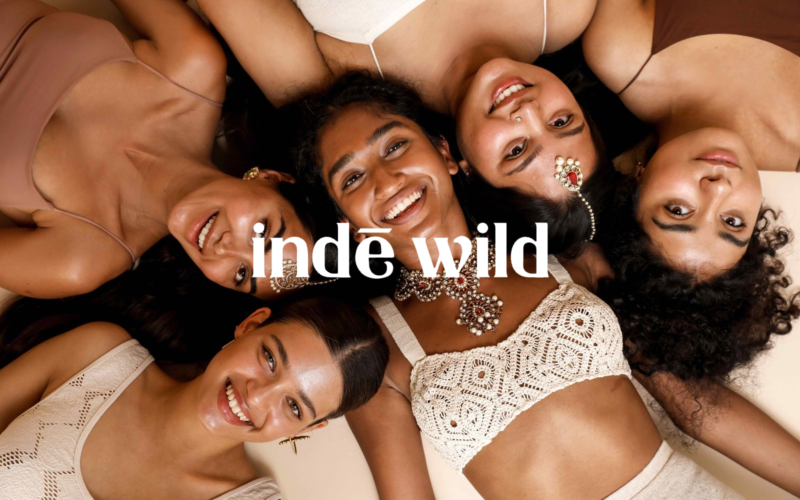
indē wild named its salicylic acid shampoo after a grandmother's ritual, proving that Ayurvedic names make clinical products emotionally legible, not less credible.
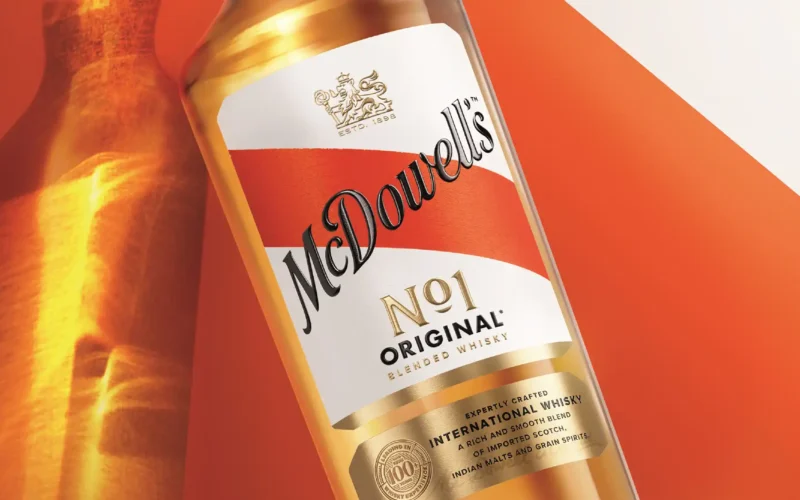
Diageo India overhauled McDowell's No.1 blend, bottle, and identity simultaneously, proving that premiumization only sticks when every element changes together.
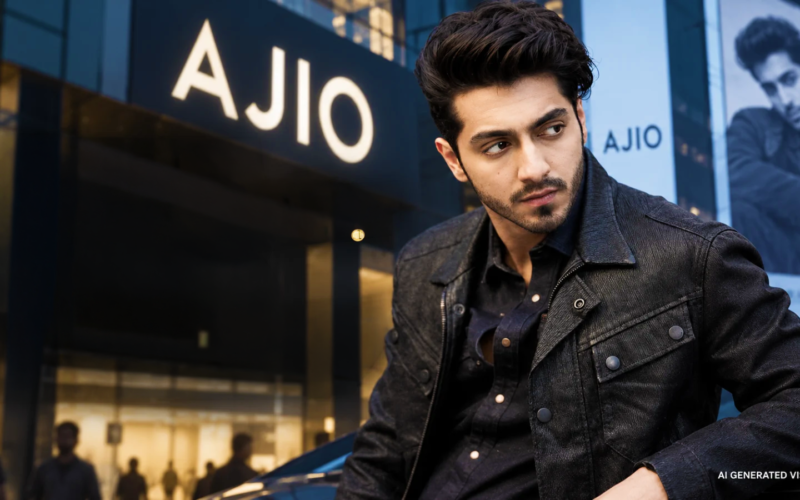
AJIO signed Ahaan Panday after his debut blockbuster but before his second film, proving the sharpest endorsement deals are won on timing, not on fame.
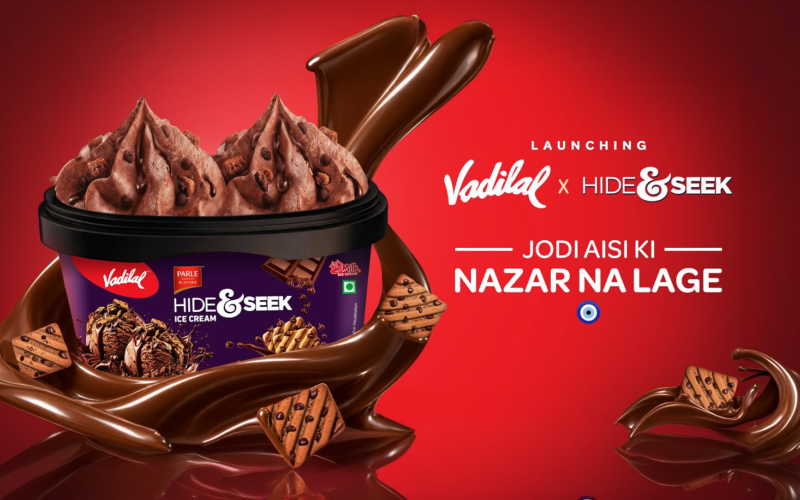
Vadilal borrowed Parle's Hide & Seek identity to enter the premium chocolate-chip ice cream subcategory, showing how brand licensing skips years of awareness-building.
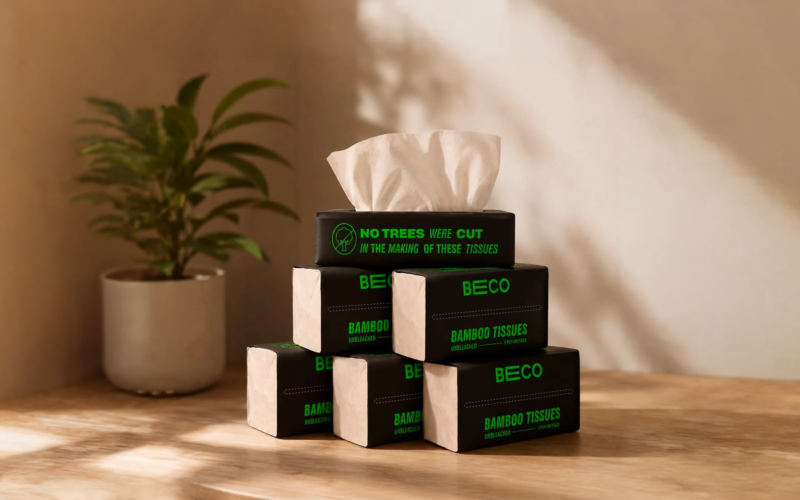
When a court ordered Beco to pull its ingredient-transparency campaign against HUL, the brand had already planted a question the market could not ignore.
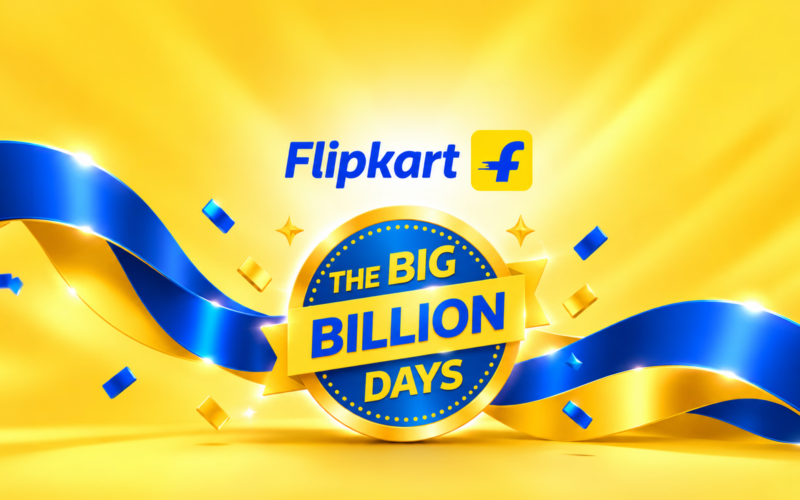
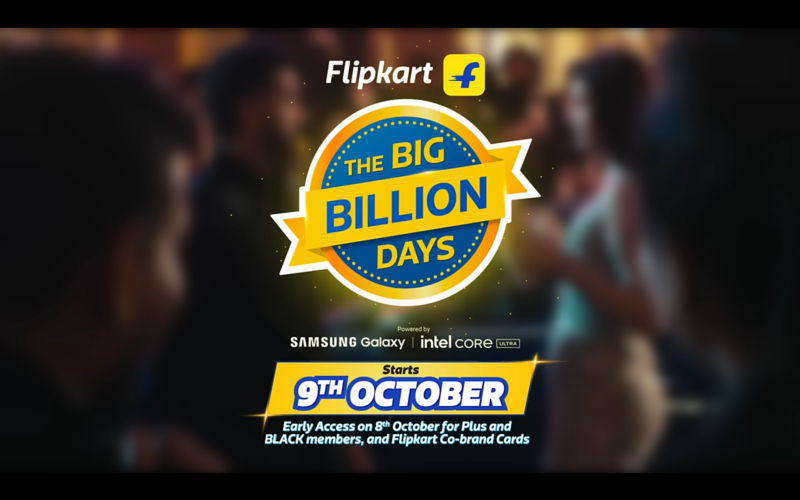
Flipkart printed Big Billion Days on Kolkata bus tickets, teaching brands how borrowed geography builds more trust than any bought media.
Bangalore Watch Company raised $1.4 million from its own customers, proving that naming a luxury brand after an Indian city builds a community that acts like a brand.
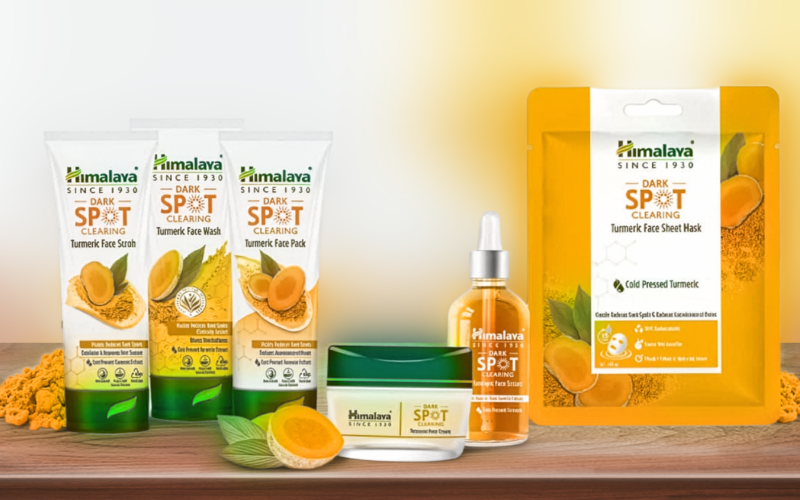
Himalaya timed its Turmeric Range launch to International Turmeric Day and inherited the day's organic reach without spending a rupee on awareness.
SKINN by Titan chose two actors famous for playing ordinary people, and that casting made the brand's everyday-fragrance argument before the campaign film ran.
Flipkart's Big Billion Days 2026 shows how a sale event becomes a brand property by building the same emotional universe year after year.
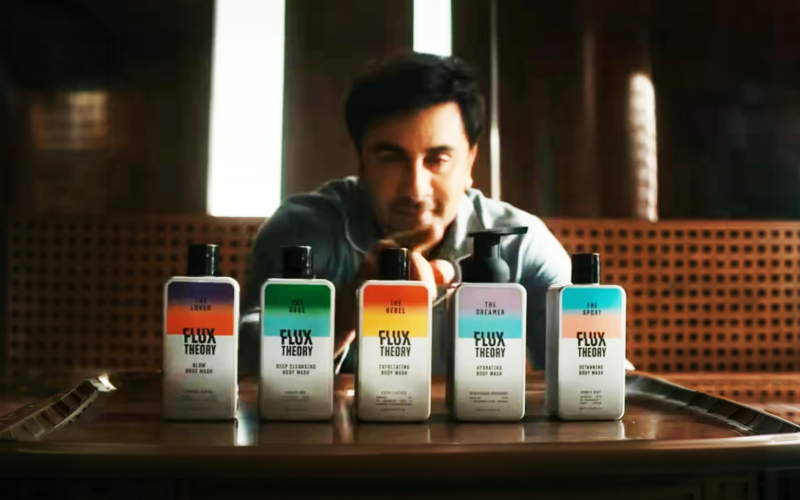
Flux Theory shows why a celebrity who co-founds a brand, rather than endorses one, turns their own personality into the product architecture itself.
Bombay Shaving Company's revised Switch4 ad was restrained by the Delhi High Court: the lesson every challenger brand must learn before attacking the market leader.
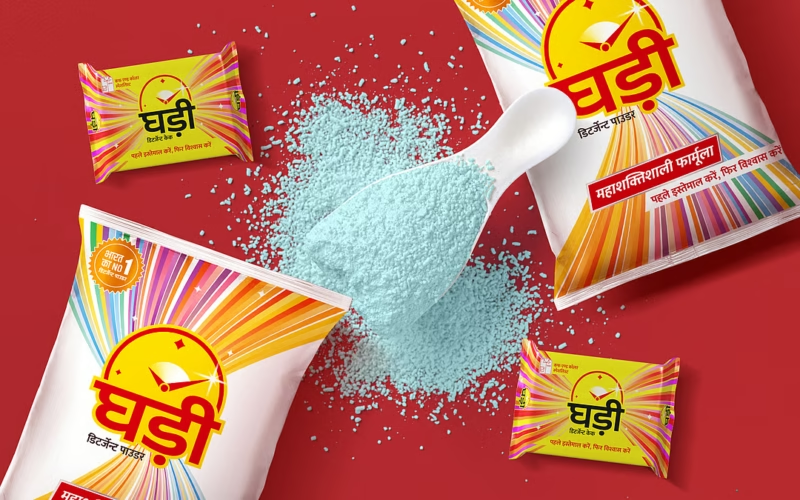
Ghadi built India's largest detergent brand on product performance, not celebrity spend, making the Madhuri Dixit campaign a proof point rather than a publicity play.
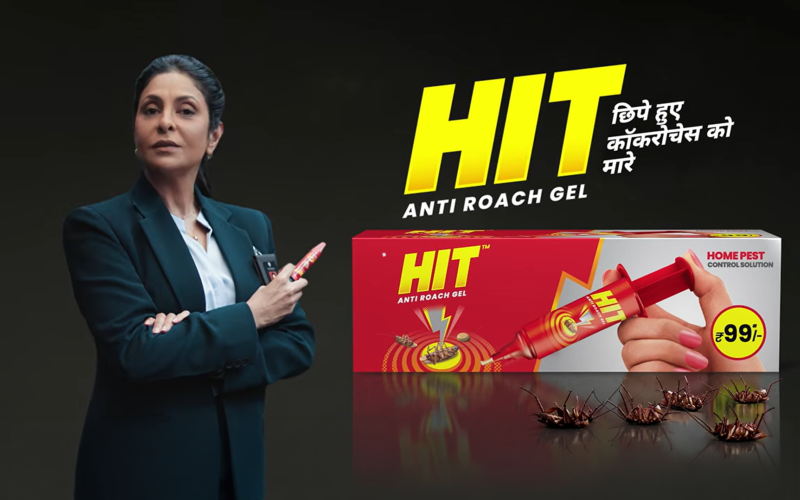
Godrej HIT's new Shefali Shah campaign shows how to move consumers from a spray to a gel by selling a new philosophy of effort, not a new product.
Mia by Tanishq's festive film shows how reframing who buys a product, not what the product is, can open an entirely new demand curve.
Swiggy dropped its own name from Dineout on 7 October 2026, and the move teaches one clear lesson: a sub-brand that reaches category leadership grows faster alone.
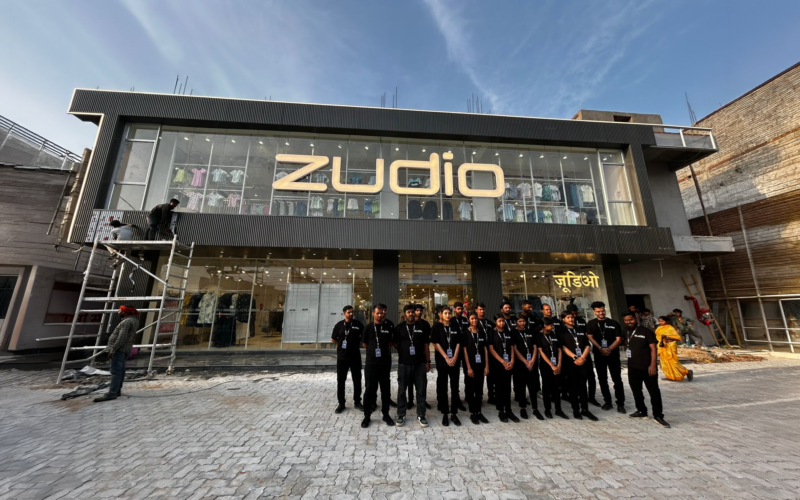
Zudio reached 1,000 stores across 300 cities in a decade with no national advertising, proving that in India's unserved markets, the store itself is the campaign.
Himalaya Wellness timed its Turmeric Range to International Turmeric Day, revealing how any brand can own an ingredient by arriving first on the one day it trends.
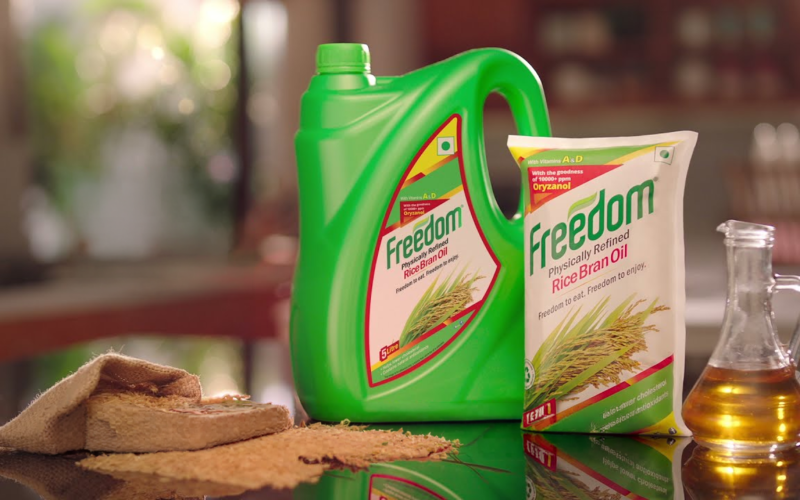
Freedom Rice Bran Oil's Dil Ki Baat campaign with Rahul Dravid proves that naming the consumer's hidden anxiety sells better than any product demonstration.