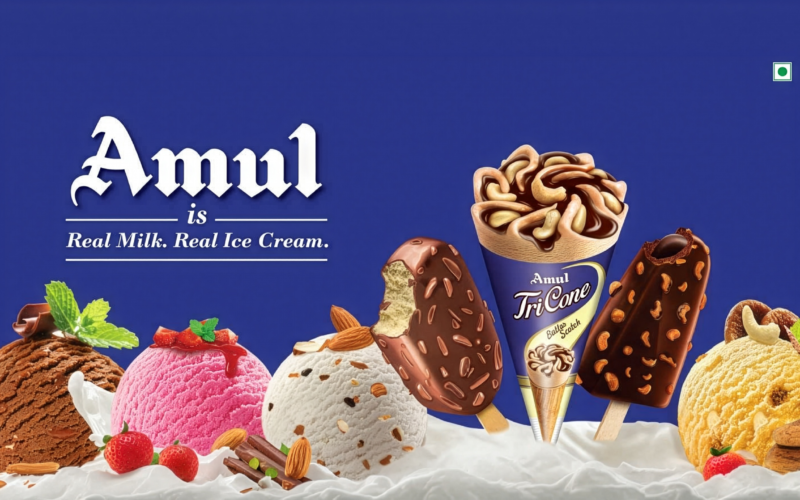
Amul became India's largest ice cream brand not through advertising, but through a cooperative cost structure that let it price consistently below Hindustan Unilever's Kwality Walls, year after year.
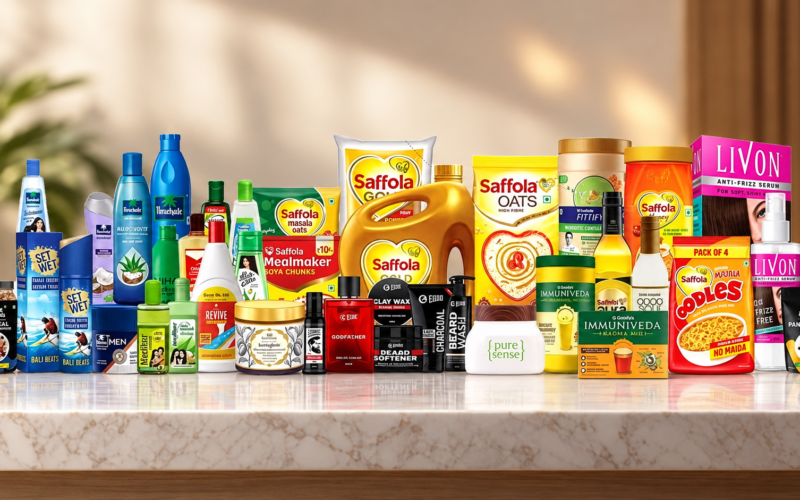
Set Wet sells confidence. Livon sells a fix for frizzy hair. Both sit in the same aisle for Marico, aimed at the same young consumer, and neither ever competes with the other for the same story.
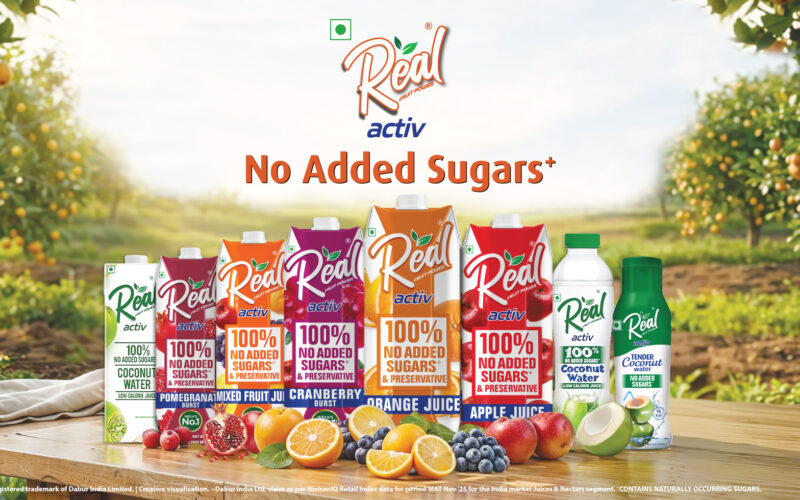
Real built India's largest packaged fruit juice brand not by matching Tropicana's orange and apple positioning, but by localising its flavour range to guava, litchi and mango, flavours no imported template offered.
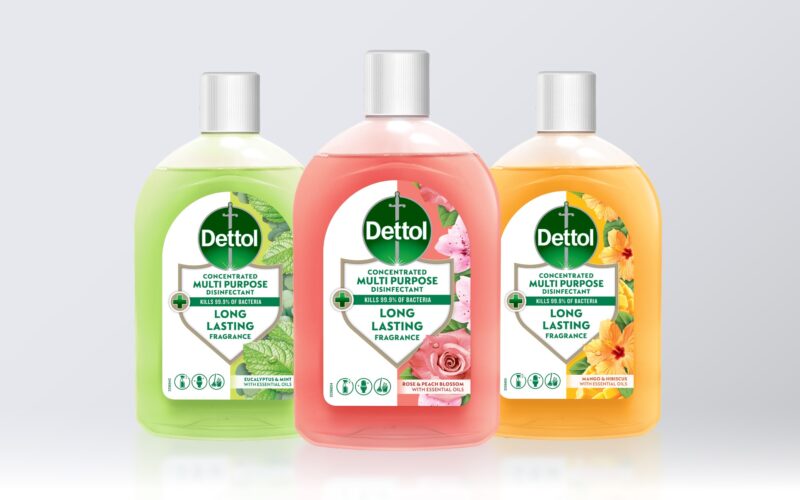
Dettol's decades-long association with hospitals and medical safety let it expand from a single antiseptic liquid into soap, handwash and sanitiser, each product inheriting the same borrowed trust.
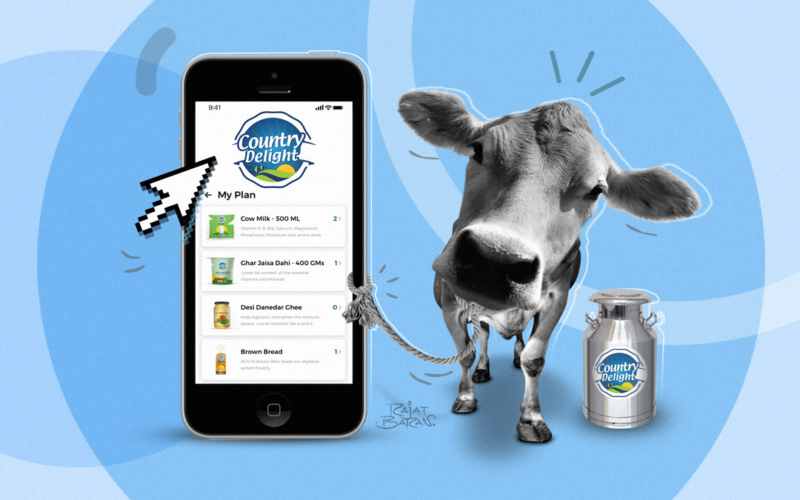
Instead of promising purity in an ad, Country Delight gave households a kit to test their own milk. The proof, not the promise, is what turned scepticism into a subscription business worth hundreds of crores.
Dant Kanti did not just undercut Colgate on price. It redefined what an Indian toothpaste buyer should value, forcing a century old category leader to launch Colgate Vedshakti in response.
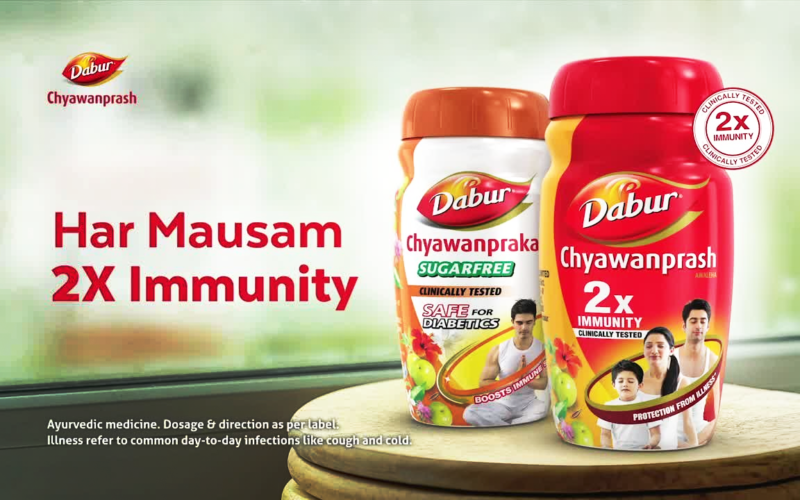
Dabur Chyawanprash never needed a repositioning campaign when COVID-19 hit India. Decades of quiet immunity positioning meant the brand was already exactly what a frightened market wanted to buy.
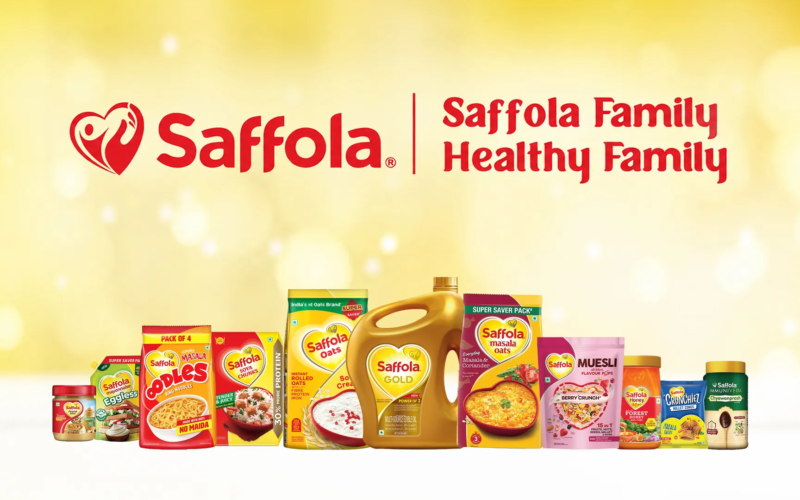
Marico's Saffola built an entire premium positioning in a commodity category by selling heart health instead of oil, decades before wellness became a mainstream FMCG idea in India.
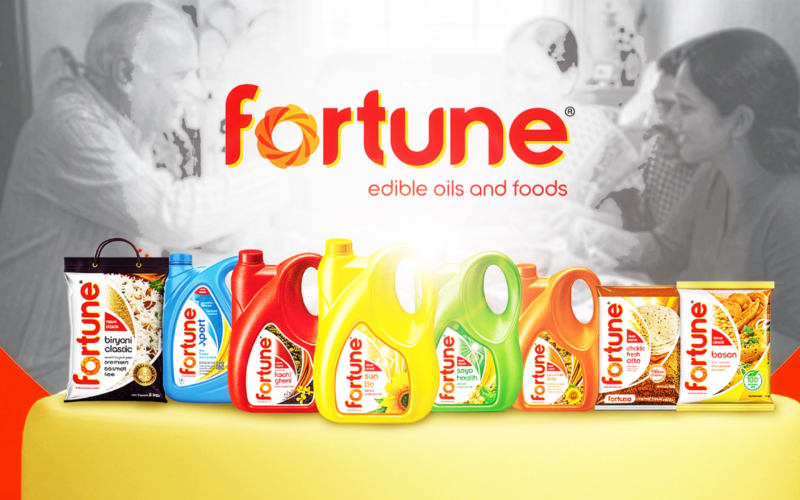
Fortune became India's largest edible oil brand not through advertising but by making a sealed, branded bottle the default choice over loose oil bought by weight, kitchen by kitchen.
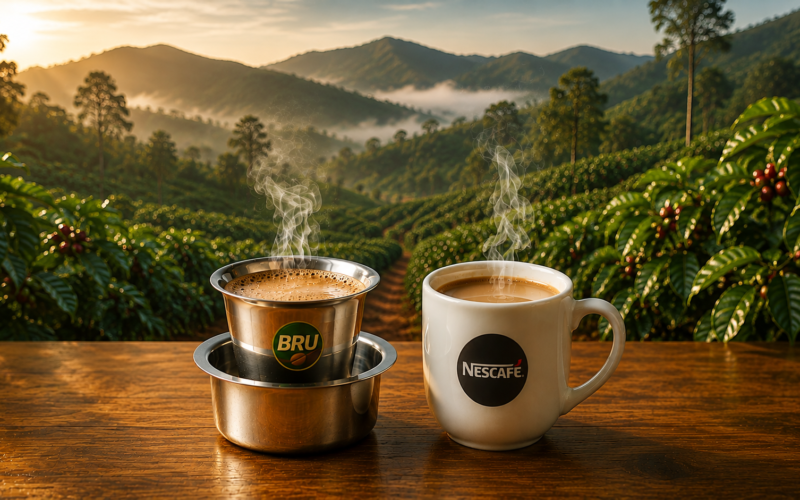
Bru and Nescafe have coexisted as India's two biggest instant coffee brands for decades by largely staying out of each other's strongest regions, rather than fighting for the same cup nationally.
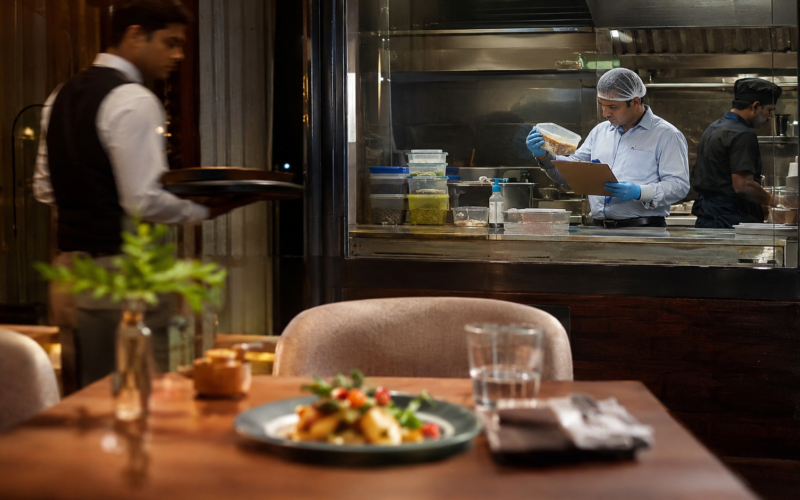
From expired ingredients and pest infestations to unhygienic kitchens, recent food safety crackdowns across India are exposing a bigger problem for restaurants: when the product fails, the brand promise fails with it.
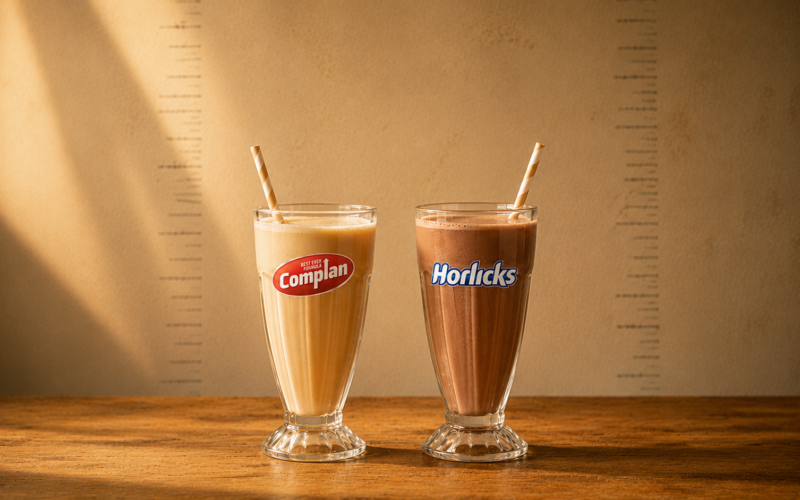
For two decades, India's biggest health drink brands built entire ad campaigns around a parent's fear that their child wasn't growing fast enough. The science was a footnote. The anxiety was the strategy.
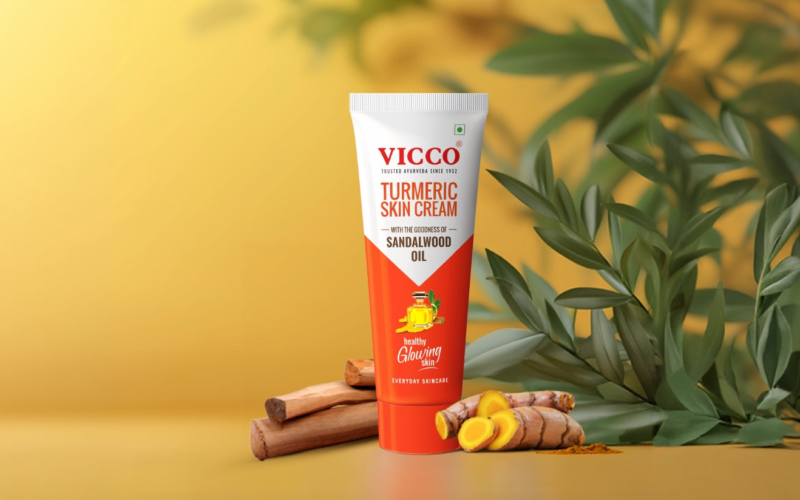
Vicco Turmeric Skin Cream built decades of market share on an ayurvedic promise and a jingle that has barely changed since 1979, without ever putting a Bollywood face on the brand.
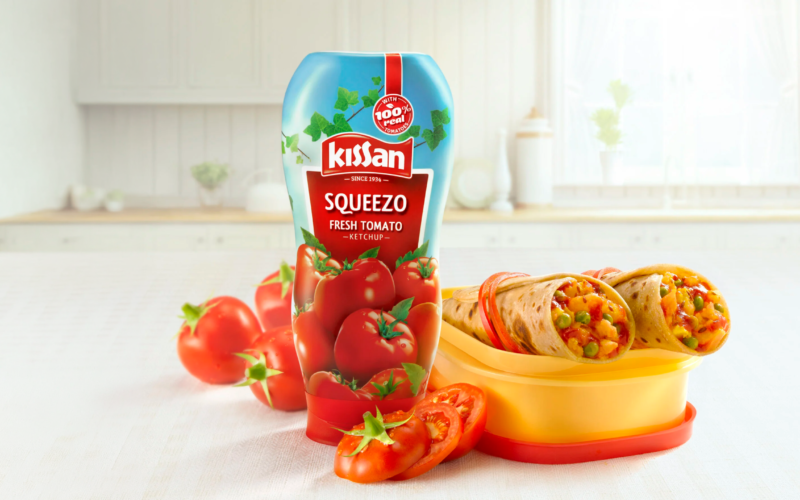
Kissan started as a scheme to help Indian farmers sell surplus produce. Nine decades and several owners later, it survives as a children's ketchup brand that sells almost entirely on tiffin box nostalgia.
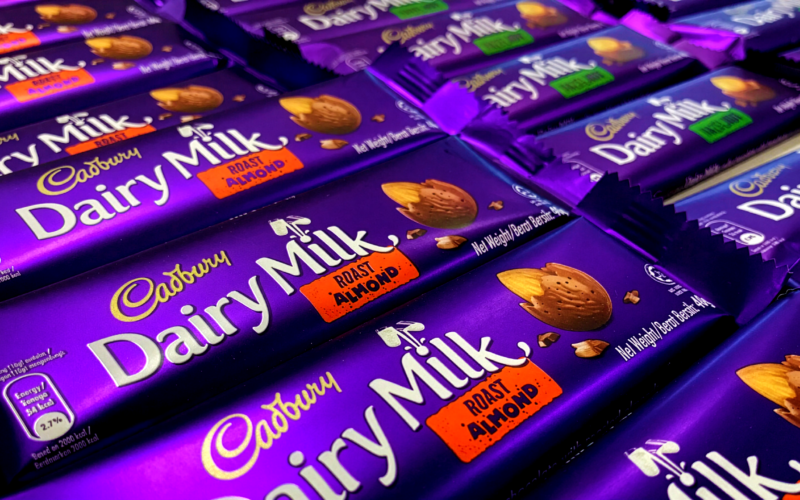
A 2003 worm infestation scandal threatened one of India's most trusted chocolate brands. Cadbury fixed its packaging within months. It took a familiar, trusted face to actually fix consumer trust.
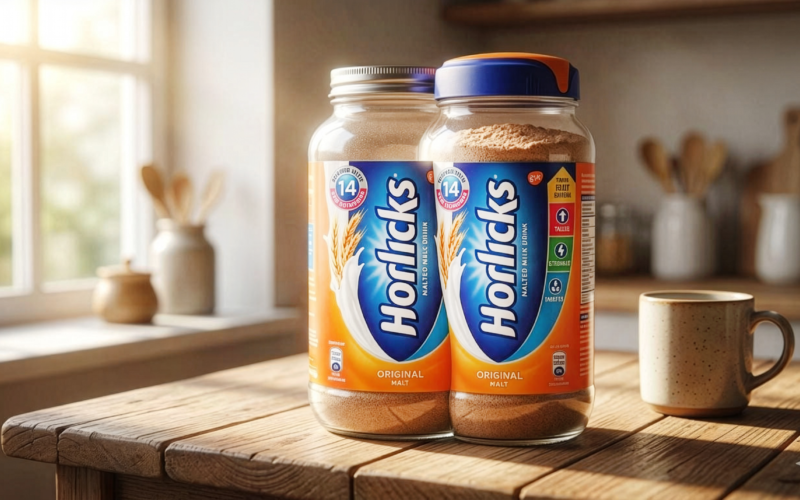
Hindustan Unilever's merger with GSK Consumer Healthcare made it the owner of Horlicks. The real asset wasn't the formula, it was a bedtime ritual already running in millions of Indian homes.
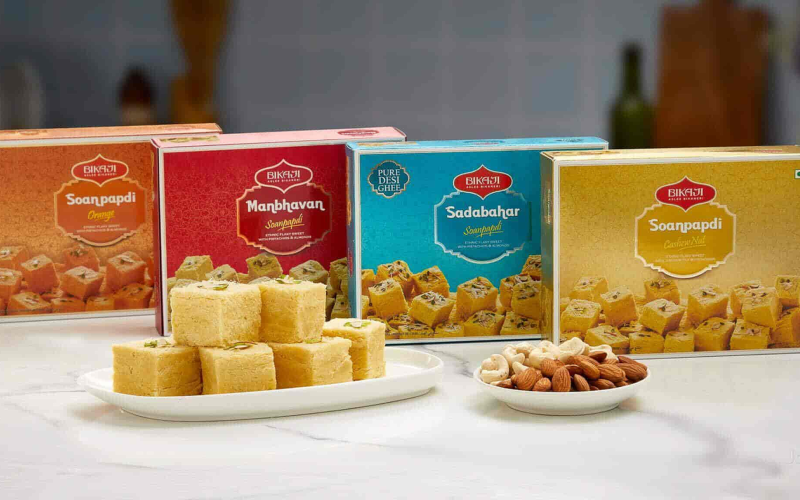
Bikaji started as one namkeen maker among dozens in Bikaner. Its 2022 IPO was oversubscribed more than 26 times, proof that India's ethnic snacks category can carry the same investor appetite as any tech listing.
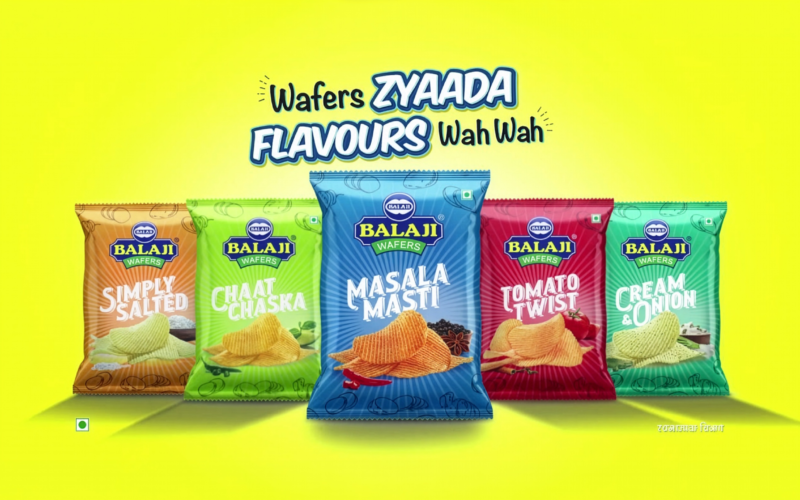
Three brothers started frying potato wafers at home with money from selling farmland. Balaji Wafers now does over Rs 5,000 crore in annual revenue, built almost entirely on distribution, not advertising.
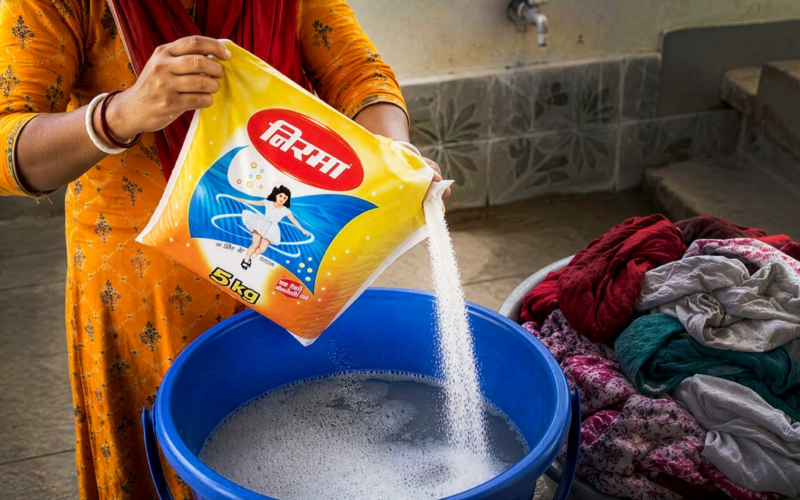
Karsanbhai Patel mixed detergent in his backyard and sold it door to door on a bicycle. Within two decades, Nirma outsold every product in Hindustan Lever's portfolio, and forced the multinational to build a value brand of its own to fight back.
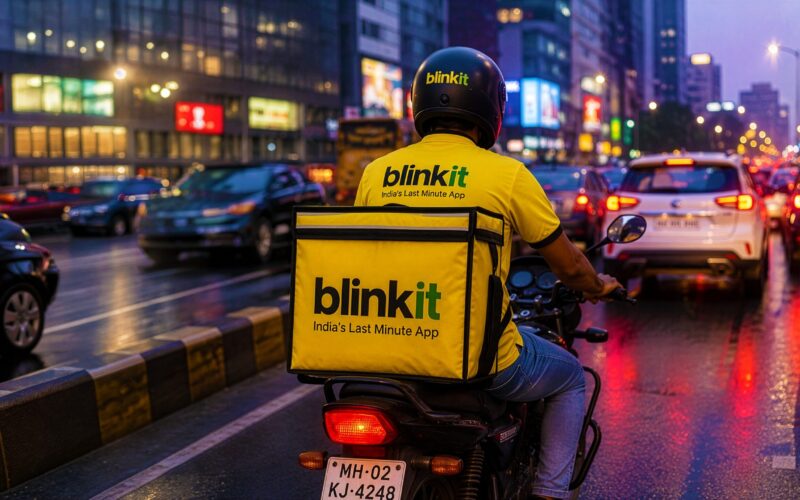
Quick commerce platforms started as a distribution channel for established FMCG brands. They are now becoming a brand incubator for themselves. Blinkit's private label push puts platform-owned products in the same 10-minute delivery window as HUL, ITC, and Nestle, but at 20 to 30% lower prices and with guaranteed first-placement on every search result.
Contains information related to marketing campaigns of the user. These are shared with Google AdWords / Google Ads when the Google Ads and Google Analytics accounts are linked together.
90 days
__utma
ID used to identify users and sessions
2 years after last activity
__utmt
Used to monitor number of Google Analytics server requests
10 minutes
__utmb
Used to distinguish new sessions and visits. This cookie is set when the GA.js javascript library is loaded and there is no existing __utmb cookie. The cookie is updated every time data is sent to the Google Analytics server.
30 minutes after last activity
__utmc
Used only with old Urchin versions of Google Analytics and not with GA.js. Was used to distinguish between new sessions and visits at the end of a session.
End of session (browser)
__utmz
Contains information about the traffic source or campaign that directed user to the website. The cookie is set when the GA.js javascript is loaded and updated when data is sent to the Google Anaytics server
6 months after last activity
__utmv
Contains custom information set by the web developer via the _setCustomVar method in Google Analytics. This cookie is updated every time new data is sent to the Google Analytics server.
2 years after last activity
__utmx
Used to determine whether a user is included in an A / B or Multivariate test.
18 months
_ga
ID used to identify users
2 years
_gali
Used by Google Analytics to determine which links on a page are being clicked
30 seconds
_ga_
ID used to identify users
2 years
_gid
ID used to identify users for 24 hours after last activity
24 hours
_gat
Used to monitor number of Google Analytics server requests when using Google Tag Manager