Brand of the Month
Brand of the Month: May 2026. India’s 5 Most Interesting FMCG Plays
India’s brand landscape doesn’t slow down in summer. In May 2026, five FMCG brands made moves worth studying, from a…
India’s brand landscape doesn’t slow down in summer. In May 2026, five FMCG brands made moves worth studying, from a…
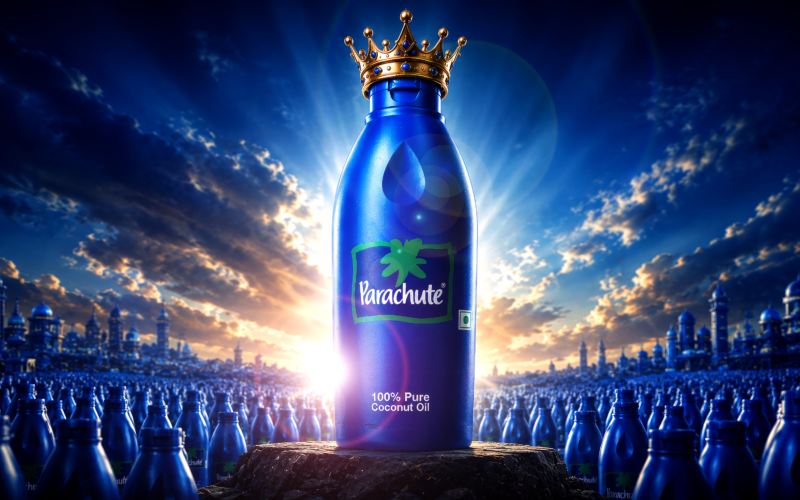
Mention coconut oil in India and most people picture a blue plastic bottle. That's not accidental, Marico spent decades engineering colour-category ownership so total that even competitors have struggled to escape Parachute's blue shadow.
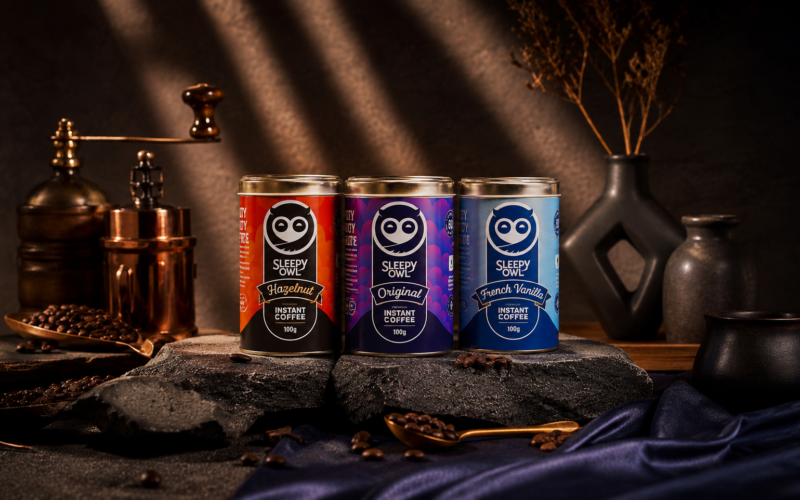
In 2016, cold brew didn't exist as a consumer category in India. Most people hadn't heard the phrase. Ajai Thandi and his co-founders decided that was the opportunity, not the obstacle. They were right.
Caffeine is a legitimate, clinically-backed skincare ingredient. But that's not why mCaffeine exploded. It exploded because the branding made young Indians feel like their skincare routine was as cool as their morning coffee order. Here's how.
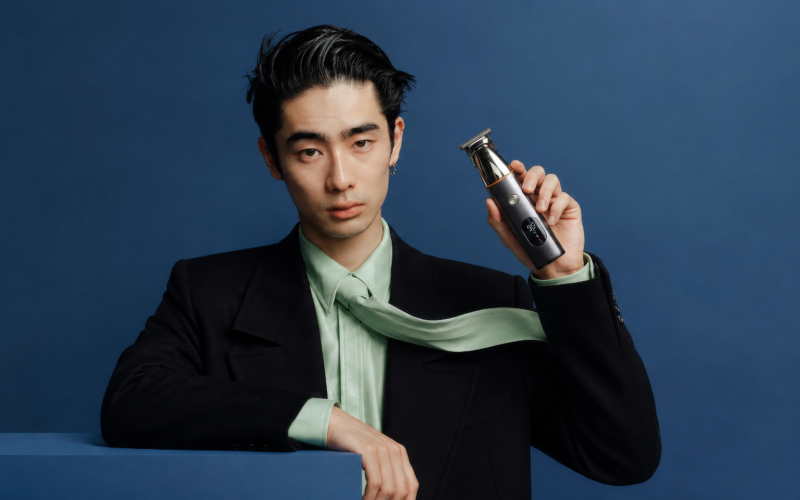
Indian men were spending ₹40 on a Mach3 refill and calling it grooming. Shantanu Deshpande saw a different market, one that didn't exist yet. He had to educate it into existence. Then sell it.
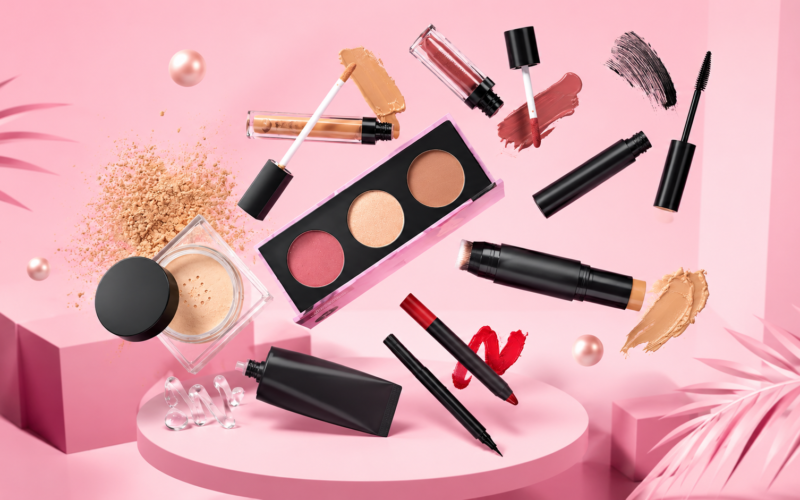
When Vineeta Singh launched SUGAR Cosmetics, every global brand's foundation shade chart started at porcelain. She started at dusky. That one decision ignored by every incumbent became a ₹1,000 crore brand.
boAt is India's largest audio brand. It didn't get there by making better earphones, it got there by making earphones feel like a lifestyle badge. Aman Gupta's genius was never engineering. It was identity.
Meesho serves the India that premium D2C brands, Nykaa, and Blinkit don't. It's the largest e-commerce platform for tier 2 and tier 3 cities and it's quietly outgrowing every competitor in user count. The brand conversation about Indian e-commerce consistently misses it.
Most people know Tata Salt and Tata Tea. Fewer realise that Tata Consumer Products now also owns Soulfull, NourishCo, and the food business of Tata Chemicals and is consolidating everything under one listed entity. This is India's biggest FMCG restructuring in a decade.
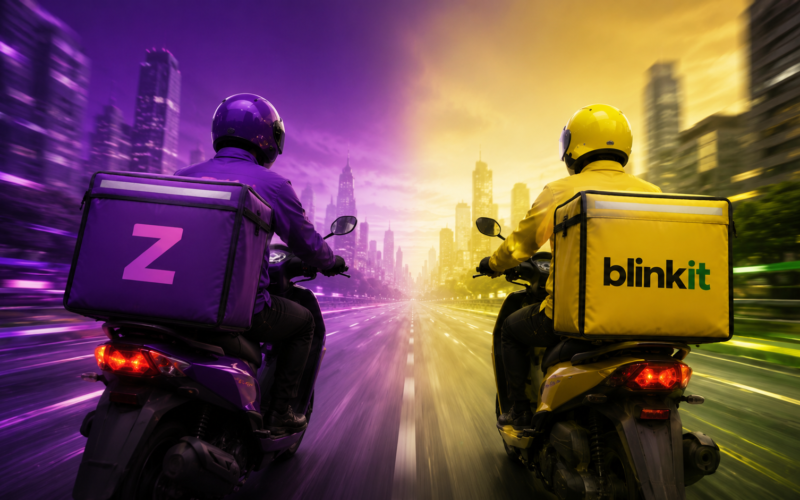
Aadit Palicha dropped out of Stanford at 19 to deliver groceries in 10 minutes. Most people thought it was a stunt. It turned out to be India's fastest-scaling consumer startup since Jio.
Every D2C founder spent 2019–2021 explaining why physical retail was dying. In 2024, SUGAR has 45,000 touchpoints, boAt is in every Croma, and Mamaearth is in kiranas nationwide. The pivot offline is the defining trend in Indian D2C right now.
Honasa Consumer — the parent of Mamaearth became India's first D2C brand to go public. It was supposed to validate the D2C model. What happened next was a masterclass in the difference between brand love and investor confidence.
Quick commerce didn't just change delivery speeds, it changed what brands put inside the packet. FMCG giants are now designing products specifically for 10-minute delivery, and legacy pack sizes are quietly becoming obsolete.
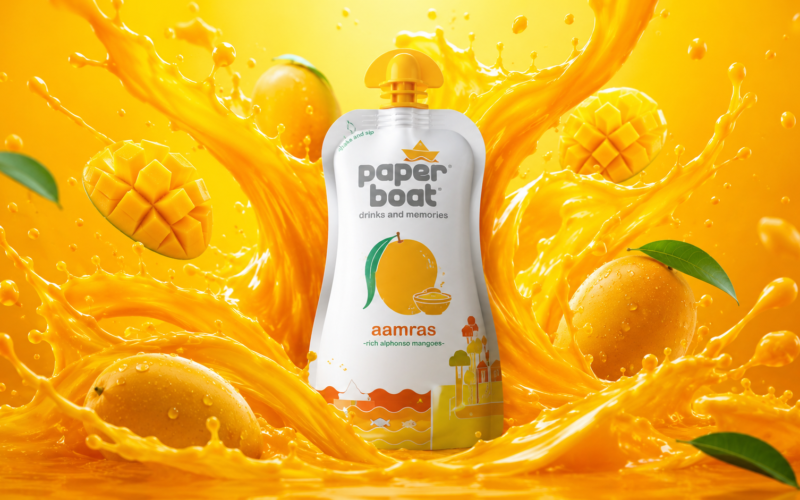
Paper Boat doesn't compete with Coca-Cola on distribution or Pepsi on marketing spend. It competes on memory. Neeraj Kakkar built a beverage brand that sells nostalgia in a pouch in a market two multinationals have dominated for 30 years.
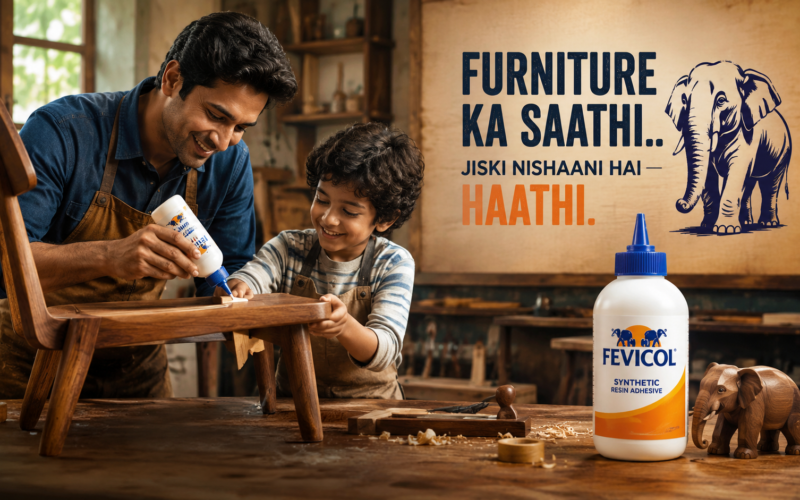
Fevicol has one product, one target customer, and one brand promise. What it has in unlimited supply is advertising so effective that the brand name became a verb in Hindi. Here's how Pidilite built India's most recalled industrial brand without changing a thing.
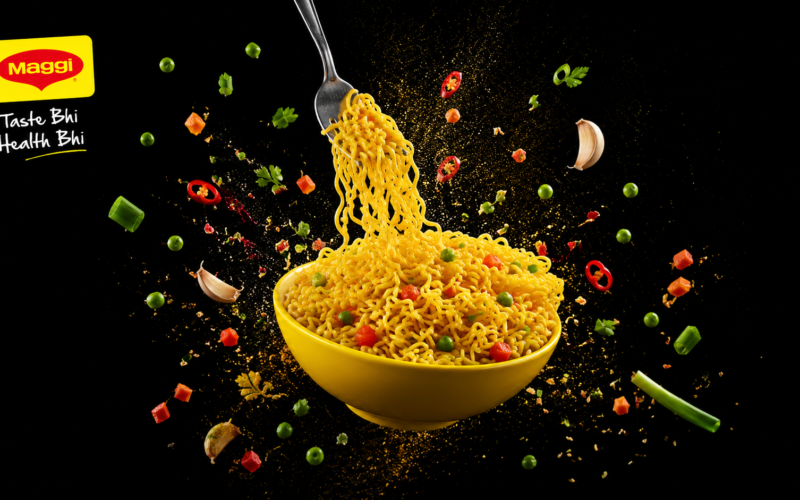
In June 2015, Nestle India recalled every pack of Maggi from Indian shelves and destroyed 38,000 tonnes of noodles. Analysts wrote its obituary. They were spectacularly wrong.
Haldiram's is India's most beloved snack brand. It's also three completely separate companies that can't sell in each other's territories. The story of how a family fight accidentally built a snack empire is one of Indian business's strangest and most instructive tales.
A lot of D2C brands sell products, very few build memorable identities.These 3 Indian brands stand out because they understand…