When Vineeta Singh launched SUGAR Cosmetics, every global brand's foundation shade chart started at porcelain. She started at dusky. That one decision ignored by every incumbent became a ₹1,000 crore brand.
boAt is India's largest audio brand. It didn't get there by making better earphones, it got there by making earphones feel like a lifestyle badge. Aman Gupta's genius was never engineering. It was identity.
Every D2C founder spent 2019–2021 explaining why physical retail was dying. In 2024, SUGAR has 45,000 touchpoints, boAt is in every Croma, and Mamaearth is in kiranas nationwide. The pivot offline is the defining trend in Indian D2C right now.
Honasa Consumer — the parent of Mamaearth became India's first D2C brand to go public. It was supposed to validate the D2C model. What happened next was a masterclass in the difference between brand love and investor confidence.
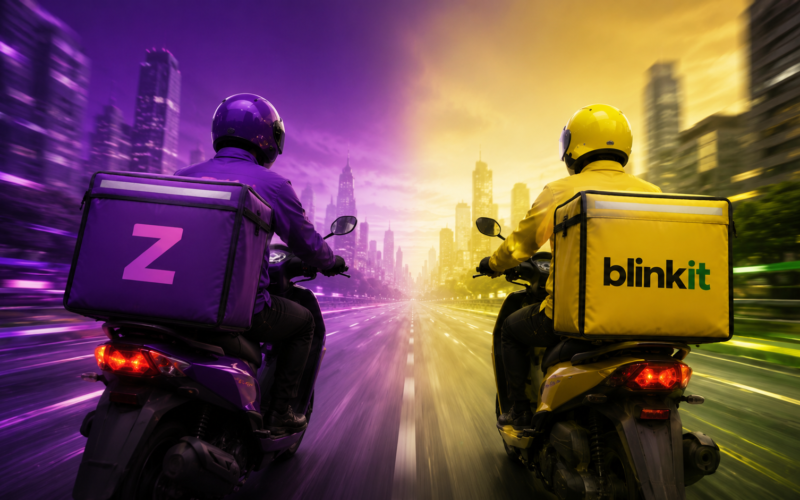
Quick commerce didn't just change delivery speeds, it changed what brands put inside the packet. FMCG giants are now designing products specifically for 10-minute delivery, and legacy pack sizes are quietly becoming obsolete.
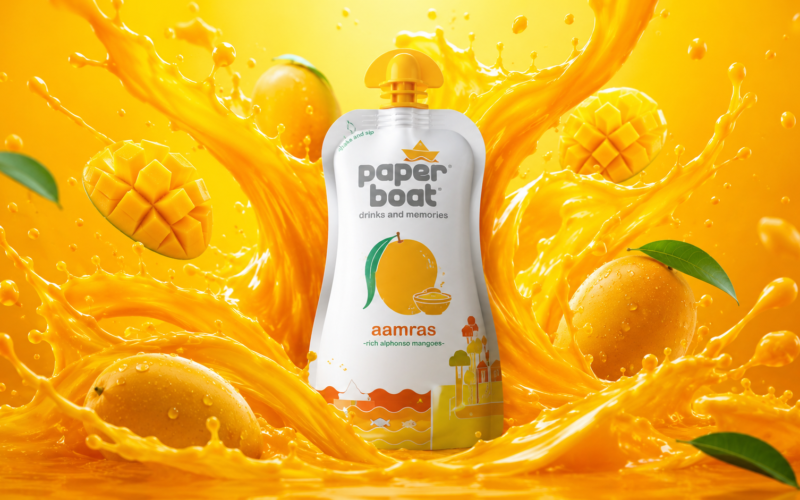
Paper Boat doesn't compete with Coca-Cola on distribution or Pepsi on marketing spend. It competes on memory. Neeraj Kakkar built a beverage brand that sells nostalgia in a pouch in a market two multinationals have dominated for 30 years.
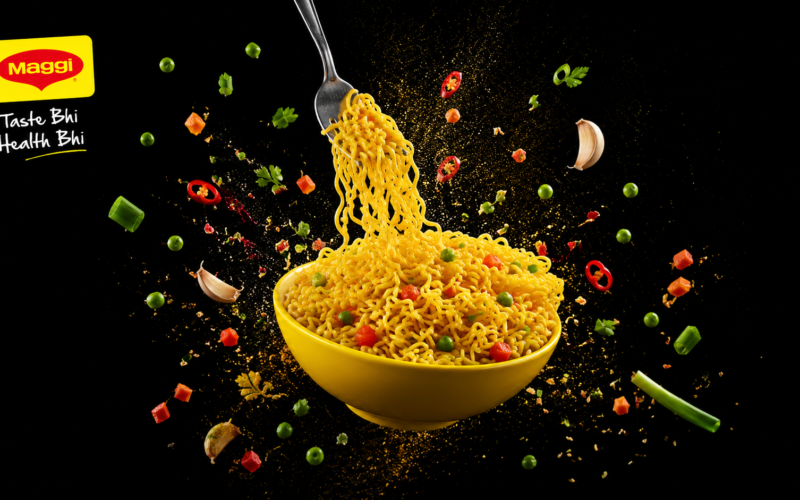
In June 2015, Nestle India recalled every pack of Maggi from Indian shelves and destroyed 38,000 tonnes of noodles. Analysts wrote its obituary. They were spectacularly wrong.
·Editor's Desk
Cookie Consent
We use cookies to improve your experience on our site. By using our site, you consent to cookies.
Cookie Preferences
Manage your cookie preferences below:
Essential cookies enable basic functions and are necessary for the proper function of the website.
Name
Description
Duration
Cookie Preferences
This cookie is used to store the user's cookie consent preferences.
30 days
Statistics cookies collect information anonymously. This information helps us understand how visitors use our website.
Google Analytics is a powerful tool that tracks and analyzes website traffic for informed marketing decisions.
Contains information related to marketing campaigns of the user. These are shared with Google AdWords / Google Ads when the Google Ads and Google Analytics accounts are linked together.
90 days
__utma
ID used to identify users and sessions
2 years after last activity
__utmt
Used to monitor number of Google Analytics server requests
10 minutes
__utmb
Used to distinguish new sessions and visits. This cookie is set when the GA.js javascript library is loaded and there is no existing __utmb cookie. The cookie is updated every time data is sent to the Google Analytics server.
30 minutes after last activity
__utmc
Used only with old Urchin versions of Google Analytics and not with GA.js. Was used to distinguish between new sessions and visits at the end of a session.
End of session (browser)
__utmz
Contains information about the traffic source or campaign that directed user to the website. The cookie is set when the GA.js javascript is loaded and updated when data is sent to the Google Anaytics server
6 months after last activity
__utmv
Contains custom information set by the web developer via the _setCustomVar method in Google Analytics. This cookie is updated every time new data is sent to the Google Analytics server.
2 years after last activity
__utmx
Used to determine whether a user is included in an A / B or Multivariate test.
18 months
_ga
ID used to identify users
2 years
_gali
Used by Google Analytics to determine which links on a page are being clicked
30 seconds
_ga_
ID used to identify users
2 years
_gid
ID used to identify users for 24 hours after last activity
24 hours
_gat
Used to monitor number of Google Analytics server requests when using Google Tag Manager