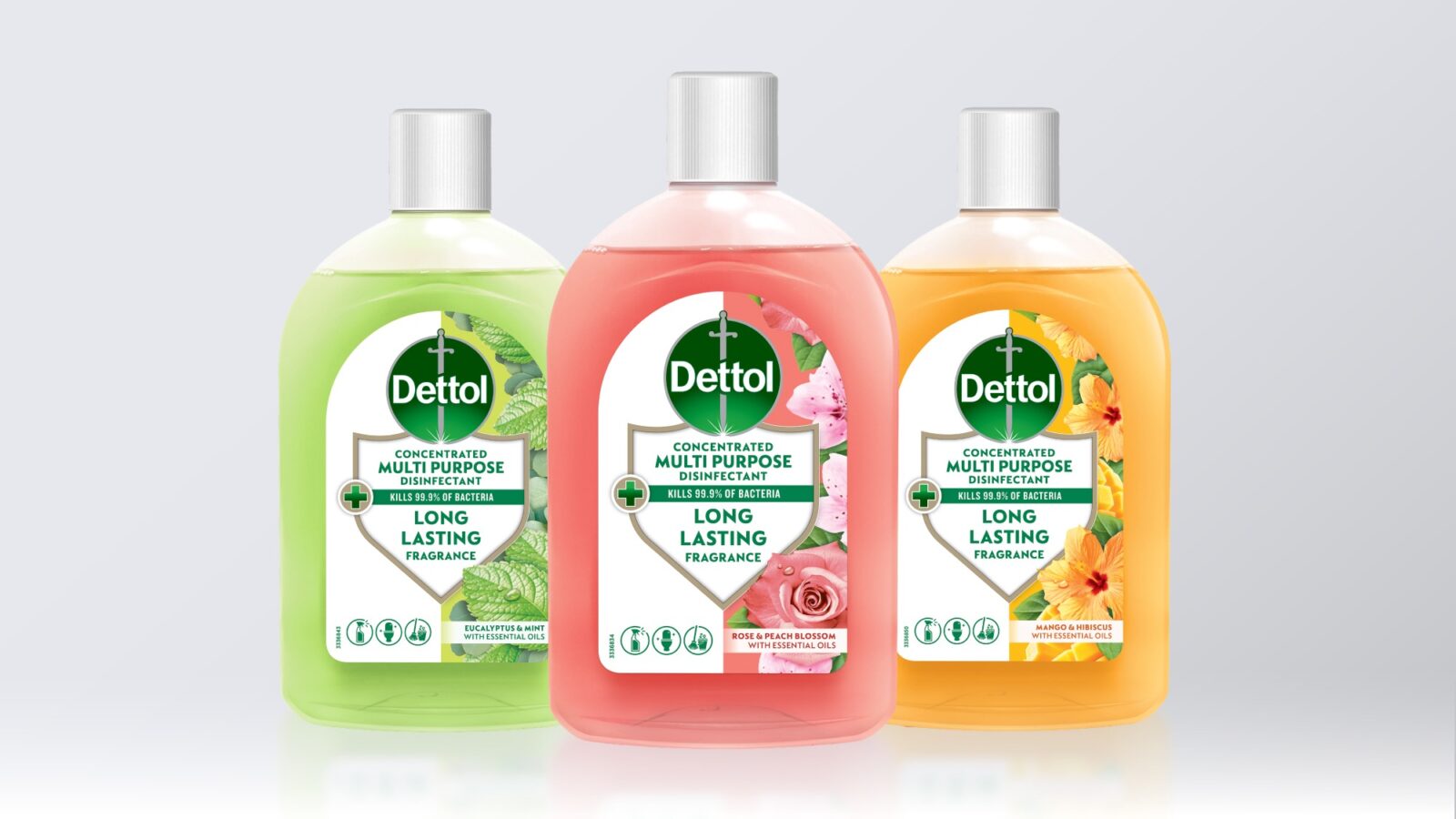
Dettol was developed in the United Kingdom in the 1930s as a hospital antiseptic, not a consumer product. That origin has done more work for the brand in India than almost any advertising campaign since.
Reckitt, which owns Dettol globally, built decades of Indian brand equity by keeping the product tied to medical and hospital credibility long after it had expanded well beyond hospital use. School hygiene education programmes, handwashing awareness drives and public health partnerships kept the brand associated with a kind of authority a regular soap or handwash could never claim on its own. From that single antiseptic liquid, Dettol expanded into soap, handwash, sanitiser and surface cleaner sub-brands, each one inheriting the same borrowed medical trust.
That trust paid off dramatically during COVID-19, when hygiene consciousness spiked across Indian households almost overnight and Dettol’s decades of association with cleanliness and medical safety made it one of the most reached-for names in the category, with barely any repositioning required.
Surf Excel built its hygiene positioning from the opposite emotional direction, reassuring rather than warning, but both brands understood that hygiene categories are sold on trust first and formulation second. Bisleri shows how far a brand name can travel once it becomes shorthand for an entire category. Ghadi Detergent‘s rise proves that trust in a mass hygiene category can be built without ever borrowing a hospital’s credibility, the harder but equally viable path.