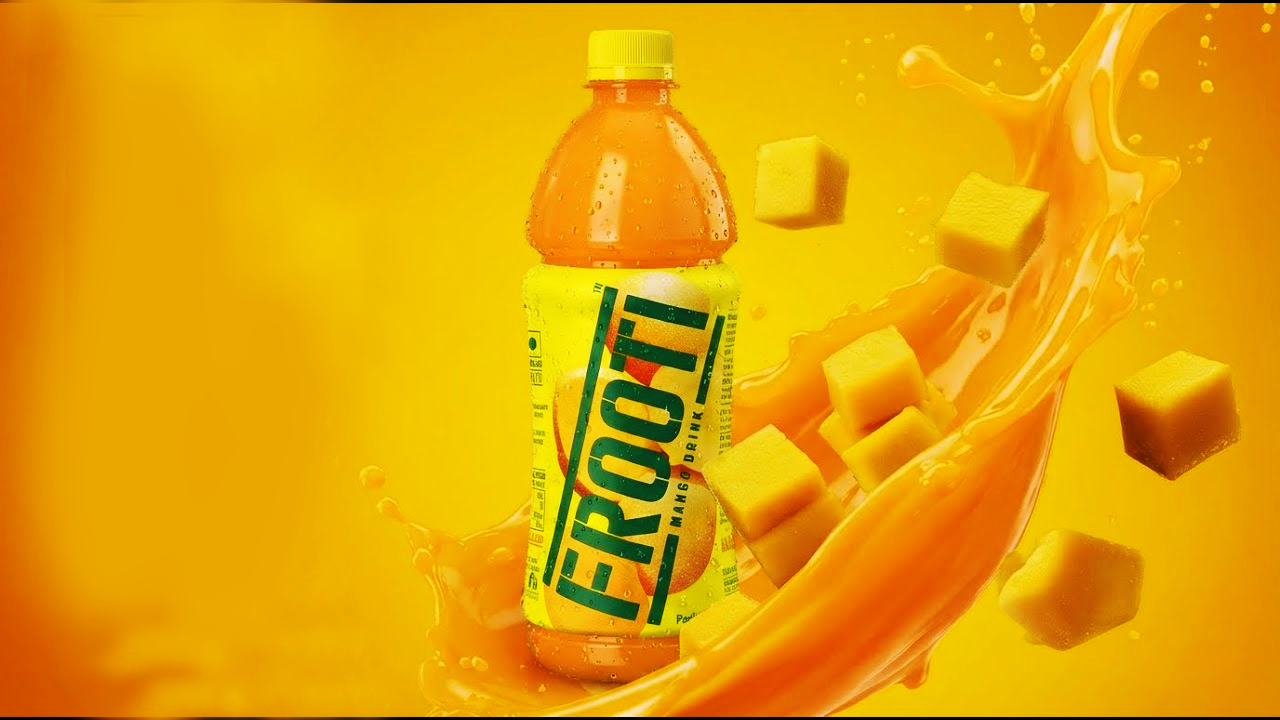
In February 2001, cryptic posters appeared across Indian metros. “Digen Verma drinks Frooti” but with no product shot prominently displayed, no celebrity face, no clear advertising format. Just a name. Just the question.
Parle Agro spent two weeks building suspense before Digen Verma was revealed as a fictional everyday character the “every boy” who loved Frooti. The reveal ads showed him in ordinary situations: studying, hanging out, buying from a shop.
This was novel for Indian advertising at the time. Brand campaigns were largely rational: “our mango percentage is higher,” “our packaging is better,” “this celebrity endorses us.” The Digen Verma campaign was purely emotional and irrational. It had no product claim. It was designed purely to generate curiosity and conversation.
What it achieved was earned media before earned media was a concept. People discussed Digen Verma. Journalists wrote about him. Rumours circulated. The campaign created cultural presence at a fraction of the cost of conventional advertising because the audience was doing the brand’s work.
For designers and marketers: the Digen Verma campaign demonstrates that brand communication doesn’t have to follow a formula. The formula (product + claim + celebrity) is dominant because it’s safe. But safe campaigns build brands slowly. Campaigns that create genuine curiosity can compress years of brand-building into weeks.
The risk: the reveal must match the intrigue. If Digen Verma had been a disappointing character, the backlash would have damaged the brand. The concept only works when the creative concept is strong enough that the reveal feels worth the wait.
Takeaway
Intrigue is an underused brand-building tool. Mystery campaigns create earned conversation at scale, but only work when the creative concept is strong enough that the reveal feels worth the wait.