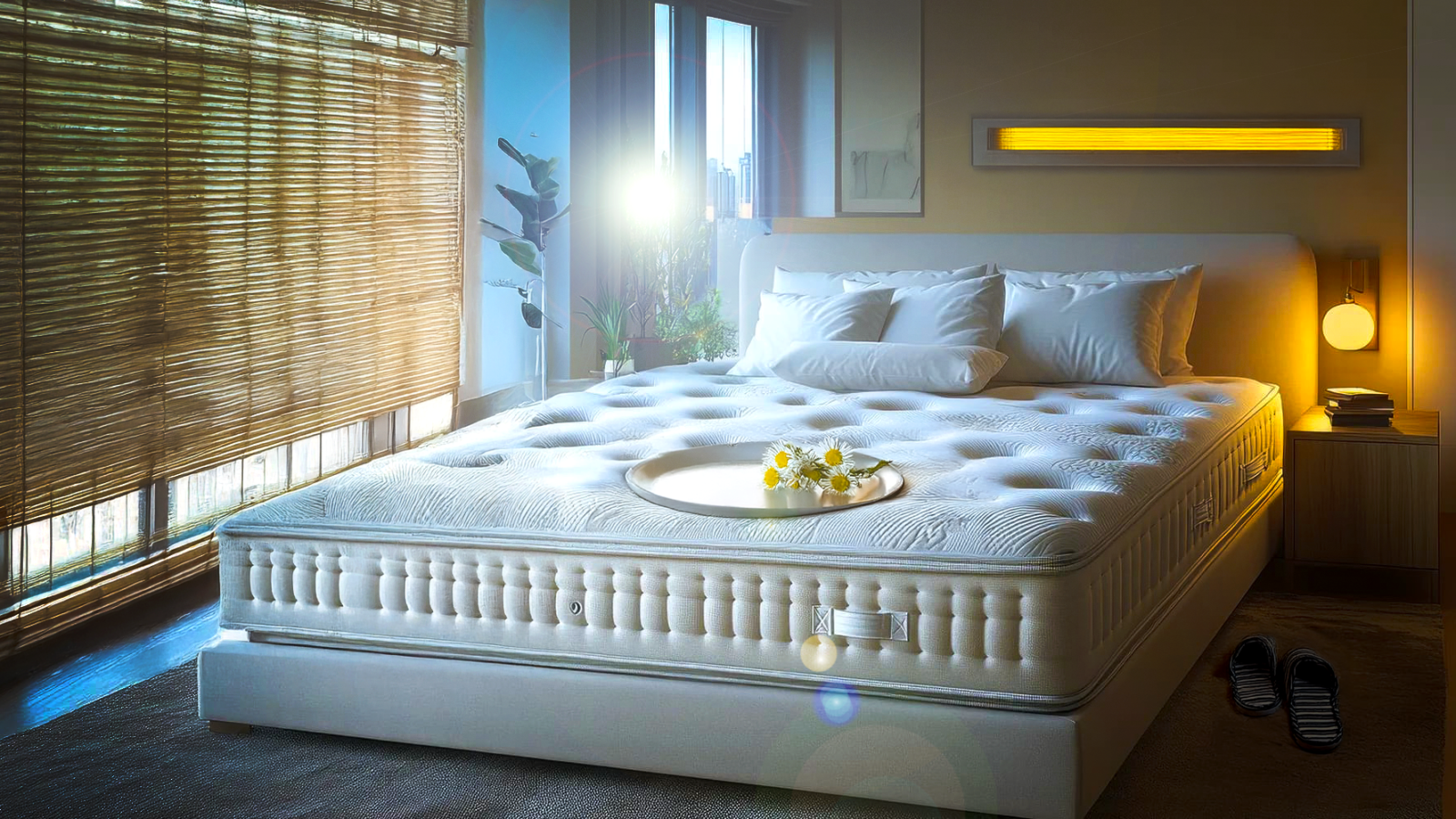
In 2016, Chaitanya Ramalingegowda and Ankit Garg launched Wakefit with a 100-night free trial on every mattress.
The idea sounds obvious. The insight behind it was sharp: the reason Indians bought bad mattresses wasn’t that they didn’t know what a good one felt like. It was that the retail experience made honest evaluation impossible. Nobody can genuinely test a mattress in a showroom, too self-conscious, too rushed, too watched.
Remove the salesperson. Send the mattress home. Give them 100 nights. Pick it up free if they don’t want it.
The free trial collapsed the biggest purchase barrier in the category overnight. And because Wakefit sold direct, no distributor margin, no showroom overhead; it could price a mattress 40-50% lower than Sleepwell or Kurlon while still making money.
The brand grew entirely through word-of-mouth for the first two years. No television advertising. Just a product good enough that people texted their parents to buy it.
Wakefit hit ₹900 crore revenue in FY23 and expanded into pillows, bed frames, study chairs and sofas; all sold on the same model, all with trials.
Takeaways
1. Eliminating friction at the point of purchase often works harder than improving the product itself.
2. Trial periods convert a transaction into an experience and experiences create advocates.