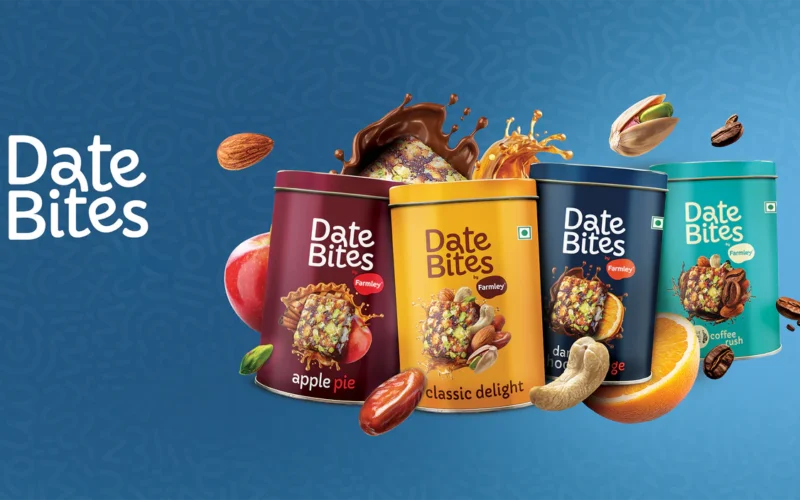
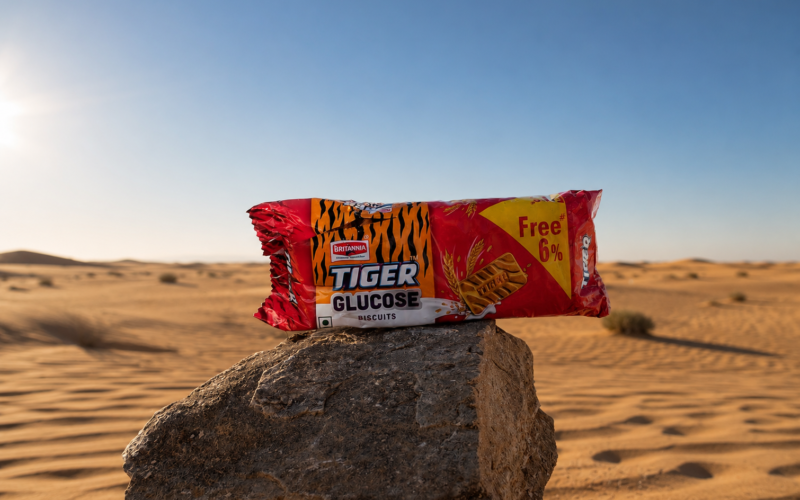
Most Indians buy dry fruits from a kirana, scooped loose into a paper bag with no brand name, no traceability, and no quality guarantee. Farmley decided that the same consumer who was happy to buy branded biscuits and branded salt would also pay for branded almonds, if someone gave them a credible reason to trust the pack. They were right. Revenue hit ₹370 crore.
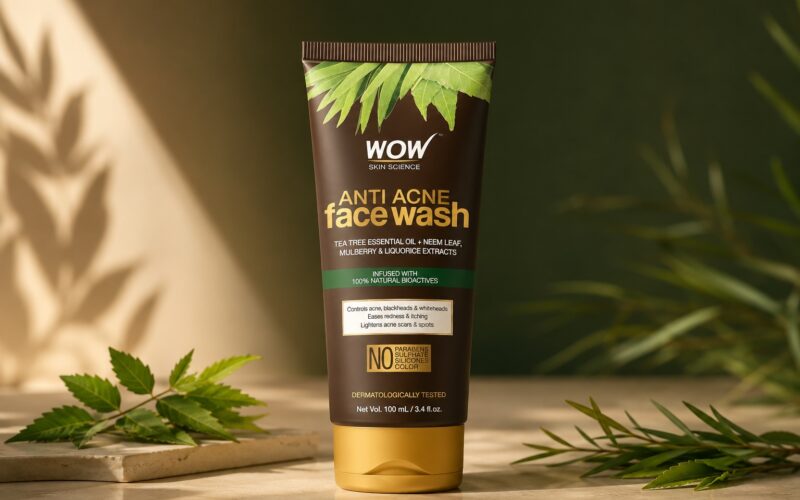
For five years, WOW Skin Science sold almost entirely through Amazon and its own website. No Nykaa shelf. No pharmacy presence. No modern trade listing. By the time it expanded offline, it already had a brand that pulled consumers toward it rather than needing the shelf to introduce it. The sequence was entirely deliberate.
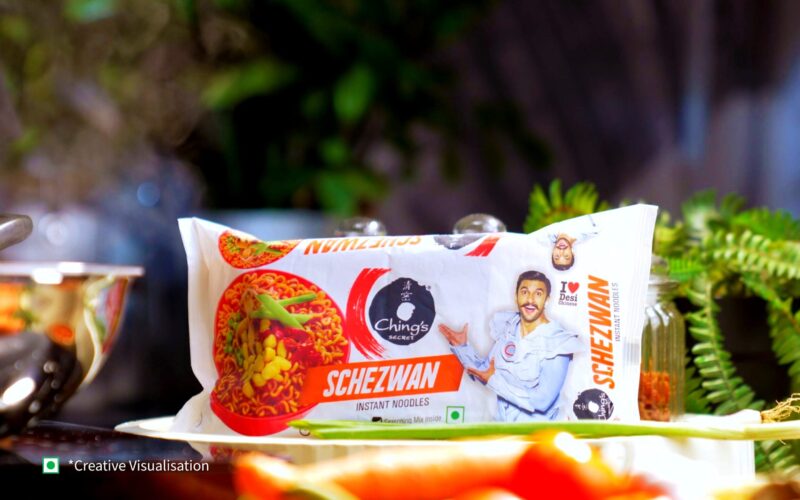
In January 2024, Tata Consumer Products announced it would acquire Capital Foods, owner of Ching's Secret and Smith and Jones, for ₹5,100 crore. The valuation raised eyebrows. The category logic is airtight: Ching's Secret invented "Desi Chinese" as a consumer food category and has no meaningful national competitor for that position.
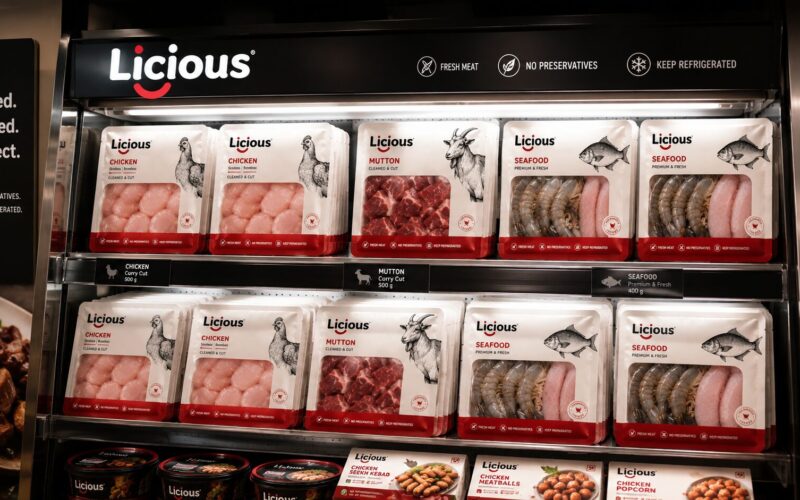
Abhay Hanjura and Vivek Gupta launched Licious in 2015 into a category with one dominant consumer fear: freshness and hygiene when buying online. Instead of hiding that fear, they put it at the centre of everything.
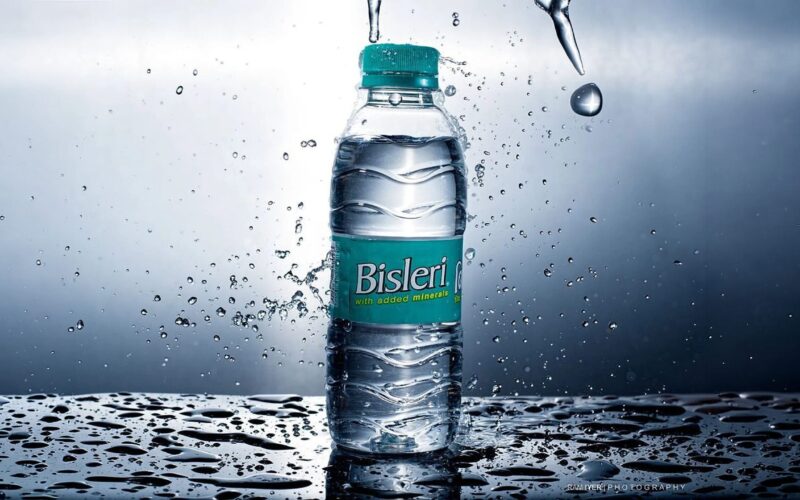
Ramesh Chauhan bought Bisleri from an Italian company in 1969 for ₹4 lakh. When he sold it to Coca-Cola in 1993 and bought it back two years later, he saw something the multinational missed. The repurchase built one of India's most studied brand moats.
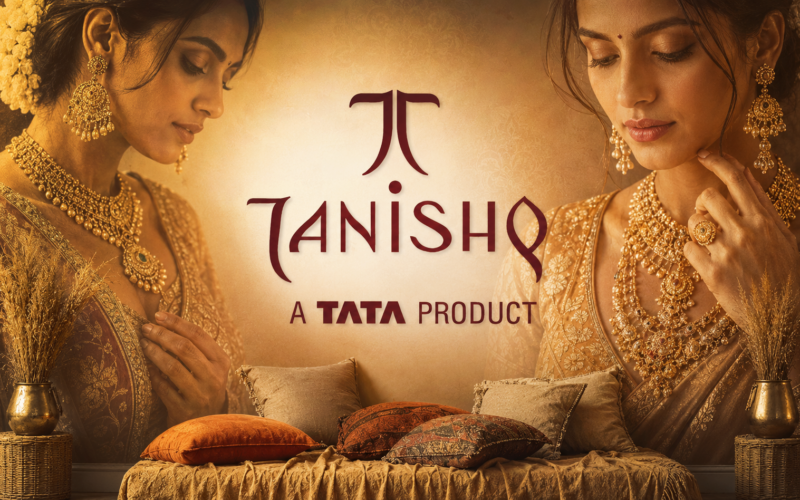
In October 2020, Tanishq released a 45-second film showing a Hindu bride's baby shower hosted by her Muslim in-laws. After organised outrage, the ad was pulled within 24 hours. What the brand did next is more instructive than the controversy.
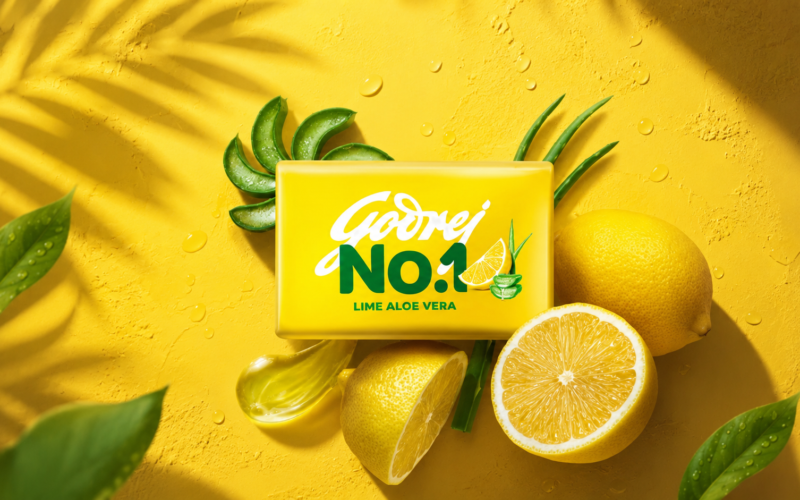
Godrej Consumer Products needed a volume anchor in mass-market soap. The insight was to find the price point below HUL's cheapest offering and hold it with a better product. Godrej No.1 became India's second-largest toilet soap brand by volume by refusing to compete on anything except value and availability.
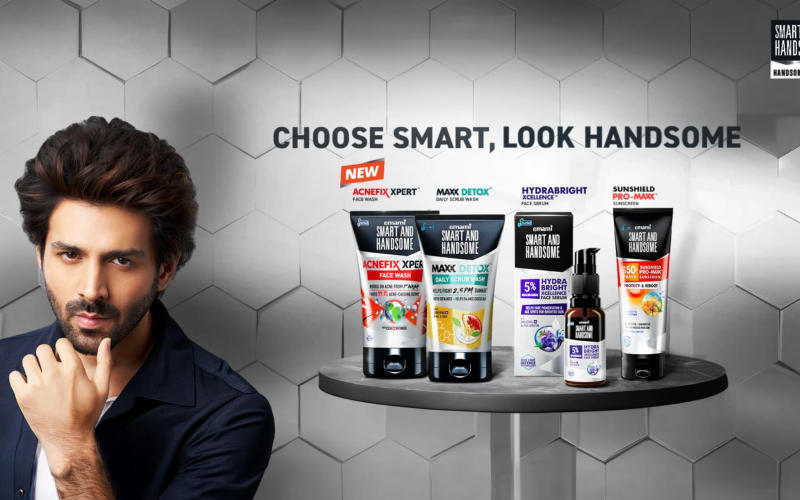
For 15 years, Fair and Handsome was India's leading men's fairness cream. In 2020, Emami quietly rebuilt the brand around confidence rather than complexion. The rebrand was one of Indian FMCG's most deft cultural pivots and it was executed six months before HUL moved on the same problem.
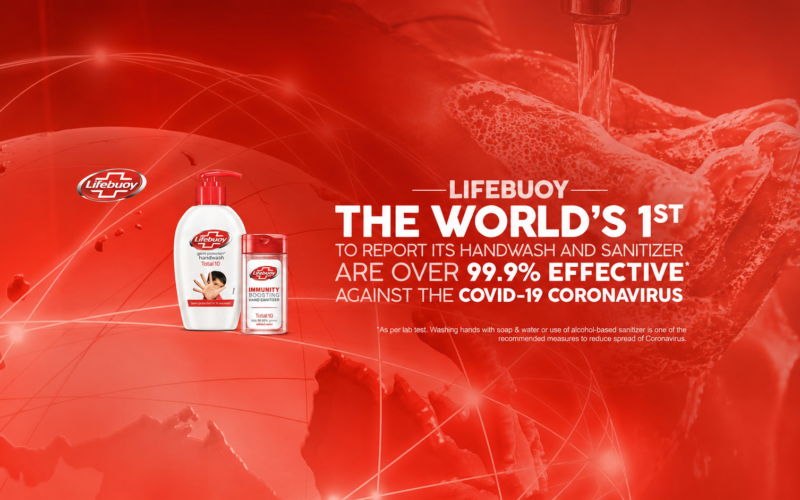
HUL's Lifebuoy Swasthya Chetna programme reached 130 million people in 44,000 villages and measurably reduced diarrhoea in participating communities. It also increased soap sales. The line between behaviour change and brand building had never been this blurred or this powerful.
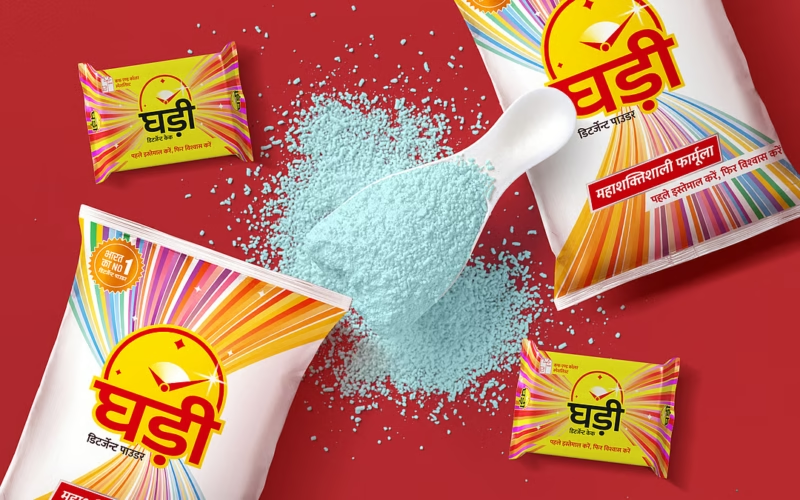
In the early 2000s, Surf Excel had HUL's full weight behind it. Ghadi Detergent had a Kanpur factory and a distribution team that treated every village kirana store like a key account. By 2012, Ghadi was India's bestselling detergent by volume. Here is how.
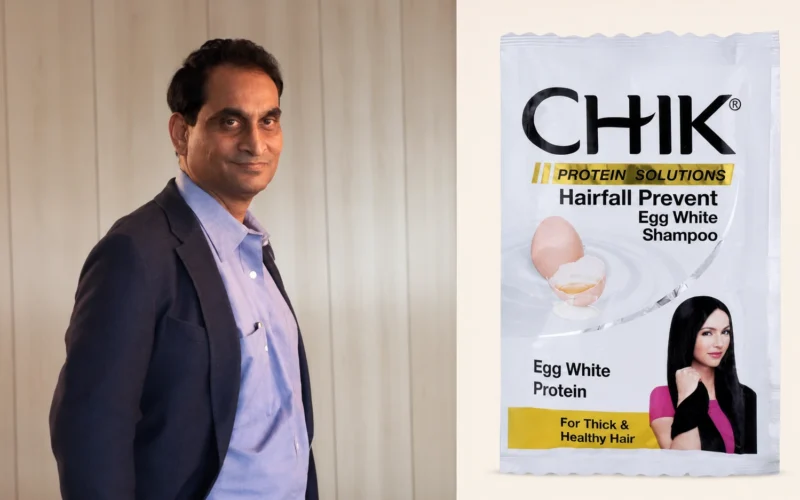
In 1983, C.K. Ranganathan watched the shampoo category and thought the unit could go smaller and cheaper. The resulting ₹0.50 sachet unlocked 500 million rural consumers who had never bought shampoo before and forced every multinational to rethink their India strategy from scratch.
Marico inherited a commodity: coconut oil sold loose by the kilo. Harsh Mariwala turned it into a branded FMCG franchise worth ₹90,000 crore by premiumizing a product Indian women had always sourced informally. Here is exactly how.
By the late 1990s, Britannia was synonymous with Marie Gold and flat growth. The mass biscuit market was a margin war and the brand was aging visibly. What followed was one of Indian FMCG's most deliberate premiumization plays, and it started with a mascot.
Wheat flour was a commodity Indian households milled at their local chakki. The idea of paying a brand premium for it seemed absurd. ITC spent ₹100 crore in two years to prove otherwise and created a category worth ₹15,000 crore in the process.
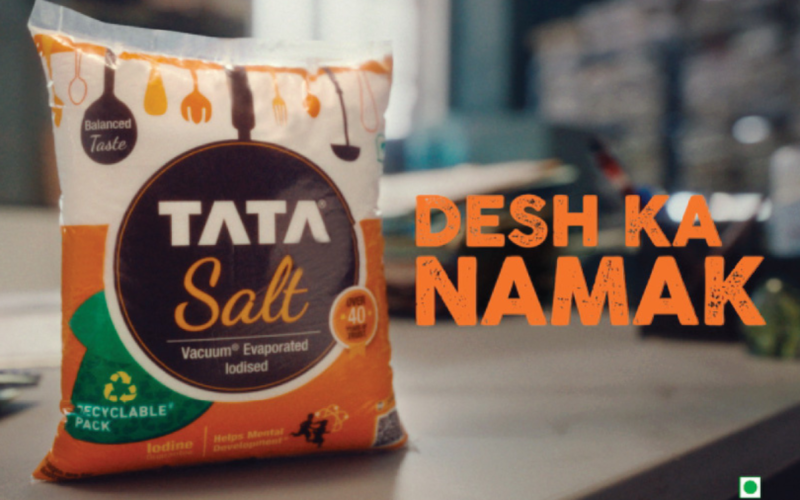
Salt has no taste differentiation, no visible quality signal, and no rational loyalty driver. Tata Consumer Products built ₹1,500 crore of brand value on it anyway, using a line that made buying salt feel like choosing the right side of history.
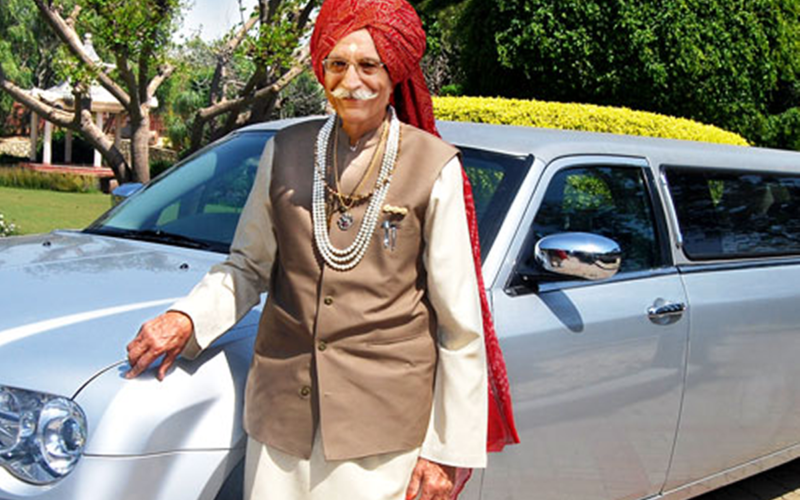
Mahashay Dharampal Gulati "Mahashayji" appeared in every MDH advertisement from the 1970s until his death in 2020 at age 97. He was not a brand ambassador. He was the brand. And the results speak for themselves: MDH became India's largest spice brand by revenue.
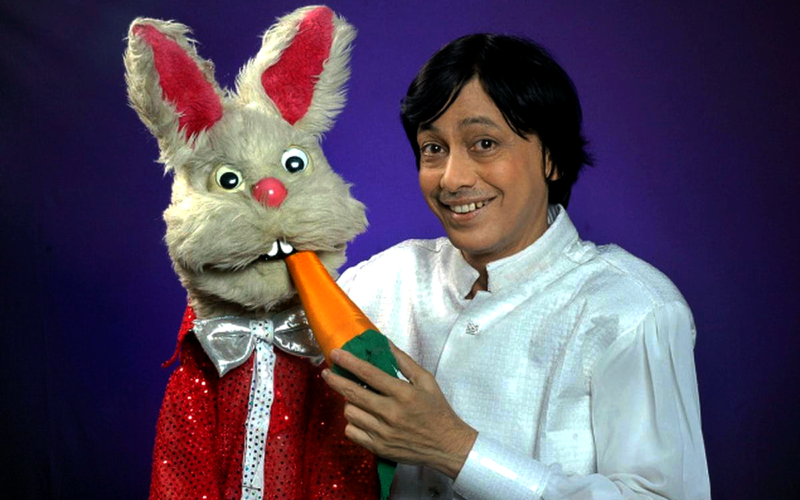
The Lijjat Papad rabbit mascot wasn't designed by a brand agency. It emerged informally from the cooperative's women members over decades. And yet it does more brand work per square centimetre of packaging than most professionally designed mascots.
Emami owns BoroPlus, Navratna, Fair and Handsome, Zandu, Kesh King, and over a dozen other major brands. Most Indians have no idea they're made by the same company. That's not an accident, it's a deliberate brand architecture strategy with a significant hidden cost.
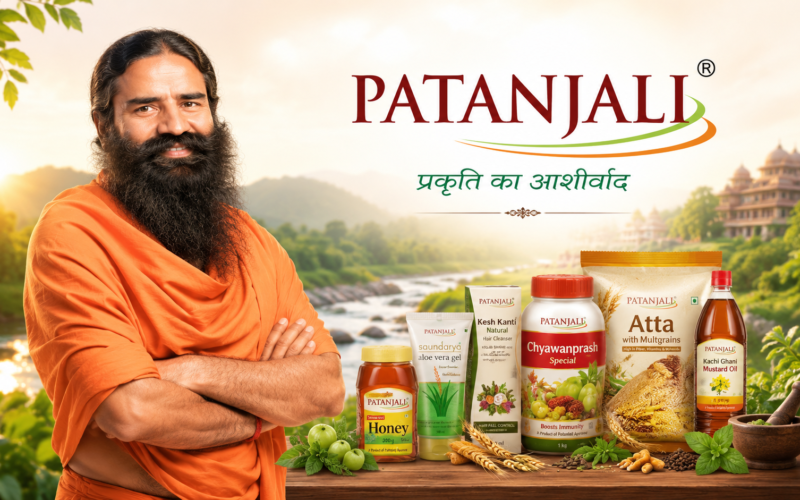
Baba Ramdev's face is Patanjali's logo, its mascot, its advertising, and its trust signal. No Indian brand has ever built so much on a single person's identity. Here's why it worked spectacularly and where it becomes a liability.
In 2016, cold brew didn't exist as a consumer category in India. Most people hadn't heard the phrase. Ajai Thandi and his co-founders decided that was the opportunity, not the obstacle. They were right.
Caffeine is a legitimate, clinically-backed skincare ingredient. But that's not why mCaffeine exploded. It exploded because the branding made young Indians feel like their skincare routine was as cool as their morning coffee order. Here's how.
Mattress shopping in India was broken. You lay on a mattress for 30 seconds under showroom lights while a salesman watched. Then you made a ₹20,000 decision. Chaitanya Ramalingegowda decided to fix the embarrassment and built a ₹900 crore company doing it.
When Vineeta Singh launched SUGAR Cosmetics, every global brand's foundation shade chart started at porcelain. She started at dusky. That one decision ignored by every incumbent became a ₹1,000 crore brand.
Meesho serves the India that premium D2C brands, Nykaa, and Blinkit don't. It's the largest e-commerce platform for tier 2 and tier 3 cities and it's quietly outgrowing every competitor in user count. The brand conversation about Indian e-commerce consistently misses it.
Most people know Tata Salt and Tata Tea. Fewer realise that Tata Consumer Products now also owns Soulfull, NourishCo, and the food business of Tata Chemicals and is consolidating everything under one listed entity. This is India's biggest FMCG restructuring in a decade.
Every D2C founder spent 2019–2021 explaining why physical retail was dying. In 2024, SUGAR has 45,000 touchpoints, boAt is in every Croma, and Mamaearth is in kiranas nationwide. The pivot offline is the defining trend in Indian D2C right now.
Most heritage brands coast on legacy. Dabur spent three decades systematically dismantling its pharmacy reputation and rebuilding as an FMCG powerhouse. The strategy that took it from ₹500 crore to ₹12,000 crore is a masterclass in brand transformation without losing trust.
Paper Boat doesn't compete with Coca-Cola on distribution or Pepsi on marketing spend. It competes on memory. Neeraj Kakkar built a beverage brand that sells nostalgia in a pouch in a market two multinationals have dominated for 30 years.
Contains information related to marketing campaigns of the user. These are shared with Google AdWords / Google Ads when the Google Ads and Google Analytics accounts are linked together.
90 days
__utma
ID used to identify users and sessions
2 years after last activity
__utmt
Used to monitor number of Google Analytics server requests
10 minutes
__utmb
Used to distinguish new sessions and visits. This cookie is set when the GA.js javascript library is loaded and there is no existing __utmb cookie. The cookie is updated every time data is sent to the Google Analytics server.
30 minutes after last activity
__utmc
Used only with old Urchin versions of Google Analytics and not with GA.js. Was used to distinguish between new sessions and visits at the end of a session.
End of session (browser)
__utmz
Contains information about the traffic source or campaign that directed user to the website. The cookie is set when the GA.js javascript is loaded and updated when data is sent to the Google Anaytics server
6 months after last activity
__utmv
Contains custom information set by the web developer via the _setCustomVar method in Google Analytics. This cookie is updated every time new data is sent to the Google Analytics server.
2 years after last activity
__utmx
Used to determine whether a user is included in an A / B or Multivariate test.
18 months
_ga
ID used to identify users
2 years
_gali
Used by Google Analytics to determine which links on a page are being clicked
30 seconds
_ga_
ID used to identify users
2 years
_gid
ID used to identify users for 24 hours after last activity
24 hours
_gat
Used to monitor number of Google Analytics server requests when using Google Tag Manager