In 2016, Aman Gupta and Sameer Mehta launched boAt with a simple observation: young Indians wanted to look like they owned Beats headphones but couldn’t spend ₹15,000 to do it.
Their first product was a charging cable, durable, braided, Apple-compatible. It sold because it solved an obvious daily problem. The margin was thin. The learning was invaluable: Indian consumers would pay a small premium for products that looked and felt premium, even at ₹300.
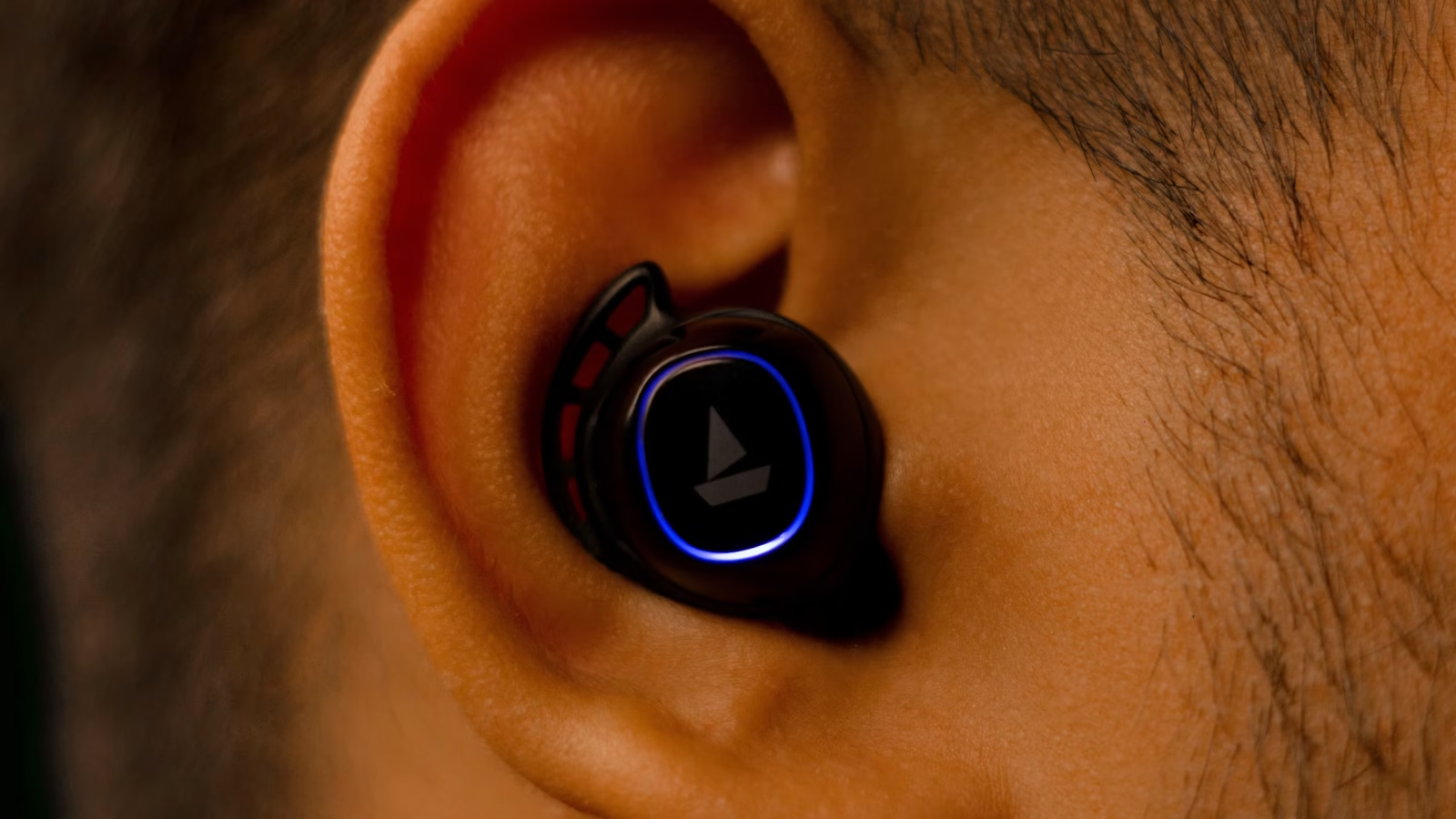
From cables, they moved to earphones, then headphones, then speakers. Every product sat between ₹999 and ₹3,000, accessible enough to buy without guilt, premium enough to feel like a statement.
The brand identity was the real product. boAt signed Hardik Pandya, KL Rahul, Diljit Dosanjh, and Kiara Advani as ambassadors, not for reach, but for positioning. boAt was for young, sporty, aspirational India. Not audiophiles. Not tech reviewers.
By 2022, boAt held 33% market share in Indian ‘hearables’ ahead of Samsung, Sony, and Jabra. It sold 2 million units a month at peak.
boAt never claimed the best audio quality. It claimed the brand that India’s youth wore. In a market of specifications, it competed entirely on identity.
Takeaways
1. Identity beats specs when targeting young India in consumer electronics.
2. Aspirational pricing, premium enough to signal status, accessible enough to buy its own category.