Hajmola was launched by Dabur in 1978 as an Ayurvedic digestive tablet. The brief was medicinal: it contained jeera, kala namak, ajwain, and other digestive spices in a chewable form. Target consumer: adults with indigestion.
By the 1990s, Dabur noticed something. Children were taking Hajmola tablets from their parents not because of digestion problems, but because they liked the taste. The tangy, salty, spiced flavour was genuinely appealing to the Indian palate at any age.
This is a rare gift in FMCG: a product that creates its own category expansion through unanticipated consumer behaviour. The question was how to respond.
A lesser brand would have launched a separate product “Hajmola Junior” and separated the medicinal from the recreational positioning entirely. Dabur did something smarter: they repositioned Hajmola itself as “the candy that’s actually good for you,” without abandoning the digestive credibility that parents valued.
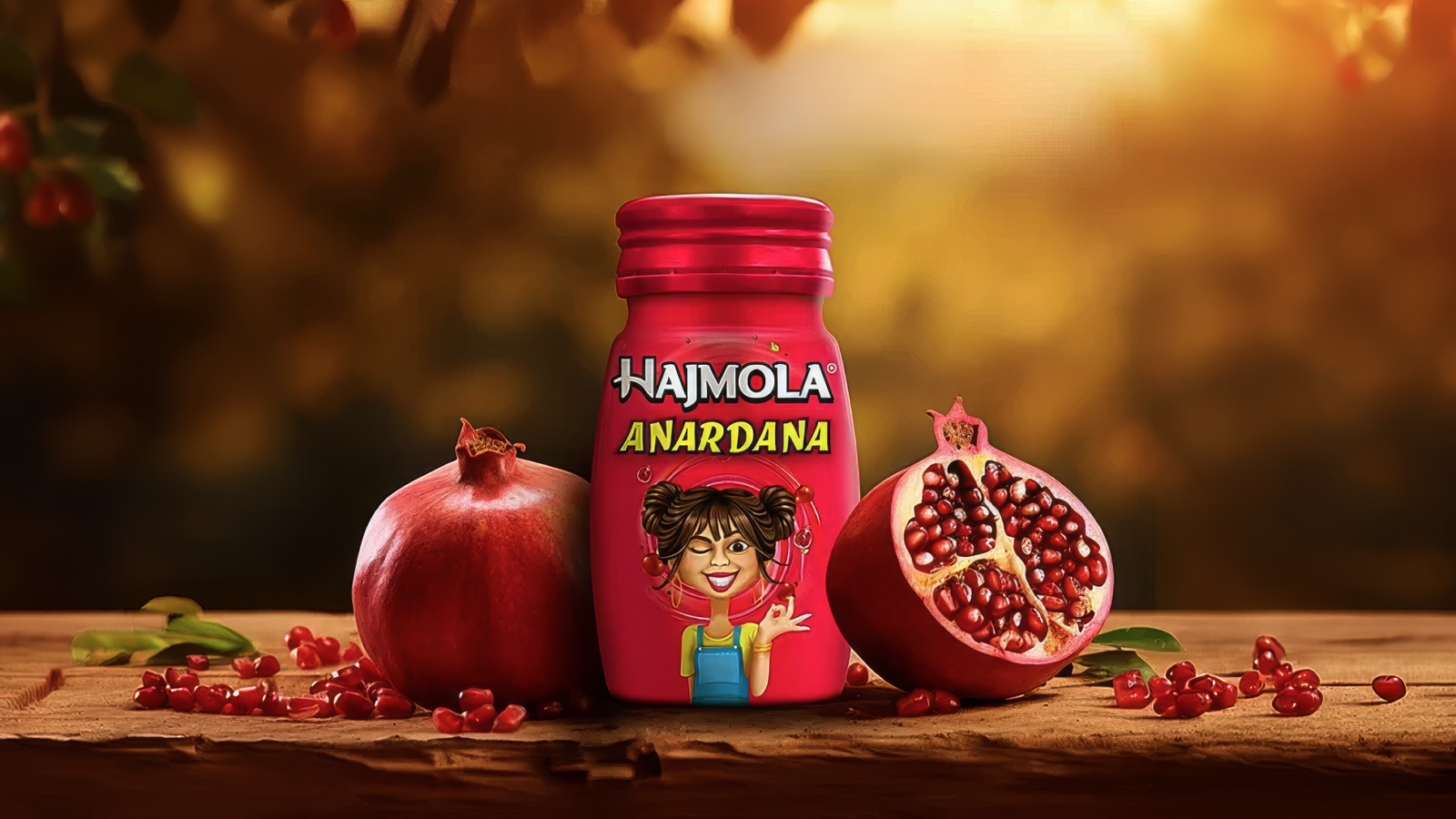
The packaging evolution reflects this; from purely functional, clinical-feeling design toward more playful colours, the “Hajmola Man” mascot (a cartoon character running energetically), and packaging formats (small cans, variety packs) that felt more like candy than medicine. The tone-of-voice shifted from solemn efficacy claims to playful energy.
The trust anchor held: parents still gave Hajmola to children after meals, in the same habitual way they always had. But the brand now spoke to the children who were consuming it as a daily snack not just a remedy.
Takeaway
When consumers find uses for your product that you didn’t intend, investigate before you dismiss. Sometimes unanticipated behaviour reveals a positioning opportunity larger than the one you started with.