Kissan was set up in 1935 to help Indian farmers get a fairer price for surplus fruit and vegetables by turning them into preserves and canned goods rather than letting them rot unsold. The name literally means farmer.
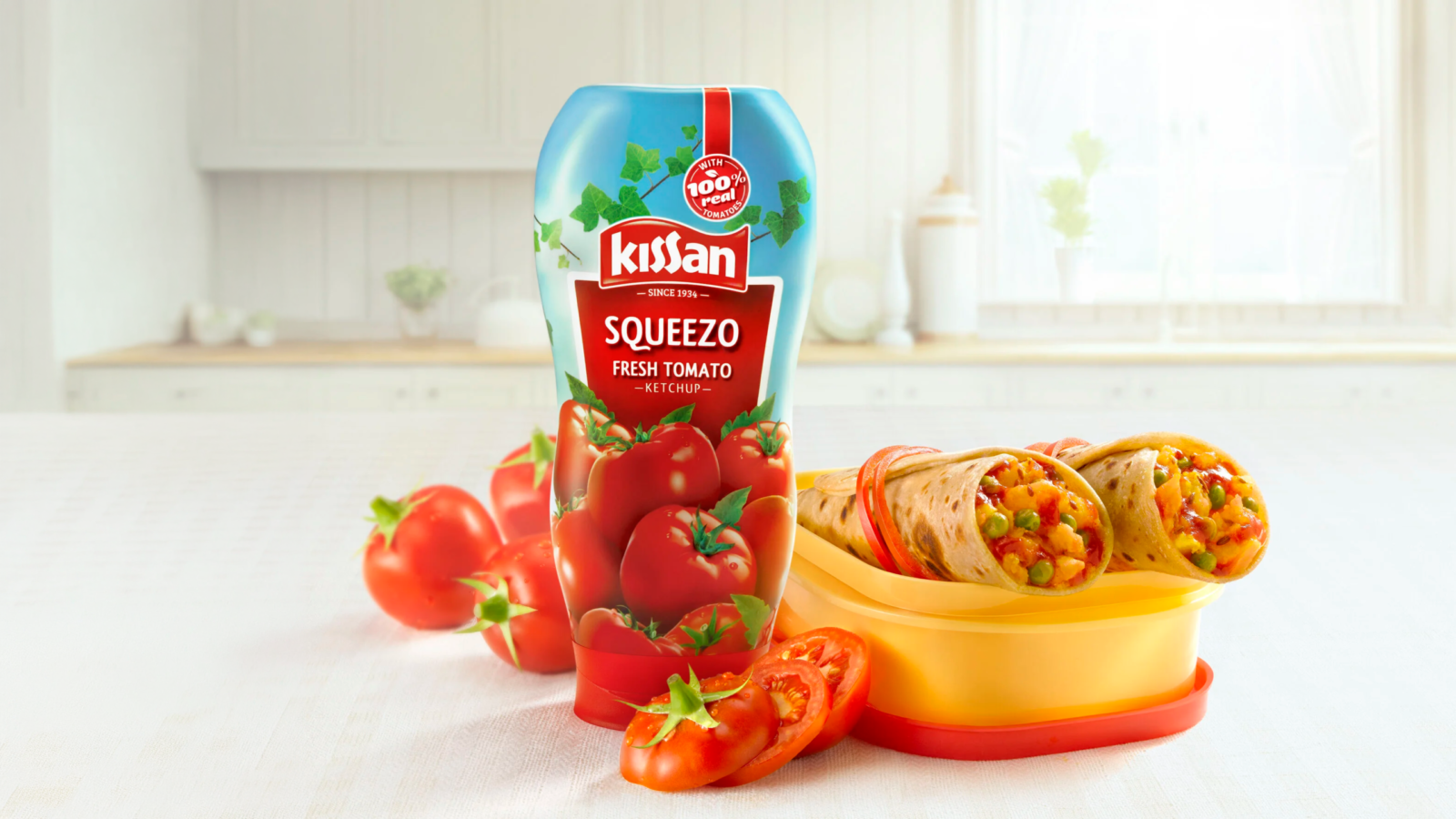
Ninety years later, almost nobody buying a bottle of Kissan ketchup off a supermarket shelf is thinking about the farmer the brand was named after. Kissan, now owned by HUL after passing through more than one corporate parent, is a ketchup and jam brand aimed almost entirely at children and the mothers packing their tiffins, sold on nostalgia as much as on taste.
That repositioning is the interesting part. A brand built for one purpose, agricultural fair pricing, was allowed to become something else entirely, a nostalgic, tiffin-box childhood staple, without losing the underlying trust that carried it there. What survived the transition wasn’t the founding mission. It was the emotional residue of a name Indian households had already been saying for generations.
Most legacy brands try to protect their origin story long after it has stopped being useful to the consumer standing at the shelf. Kissan let the origin story fade and kept the feeling.
Paper Boat is built on the exact same emotional territory, selling a specific, remembered taste of childhood rather than a nutritional claim. Tanishq shows how far a legacy brand can lean into reinvention when it needs to. Bisleri‘s decades-long dominance is proof that a name, once it becomes shorthand for a category, is worth protecting long after the founding story is forgotten.