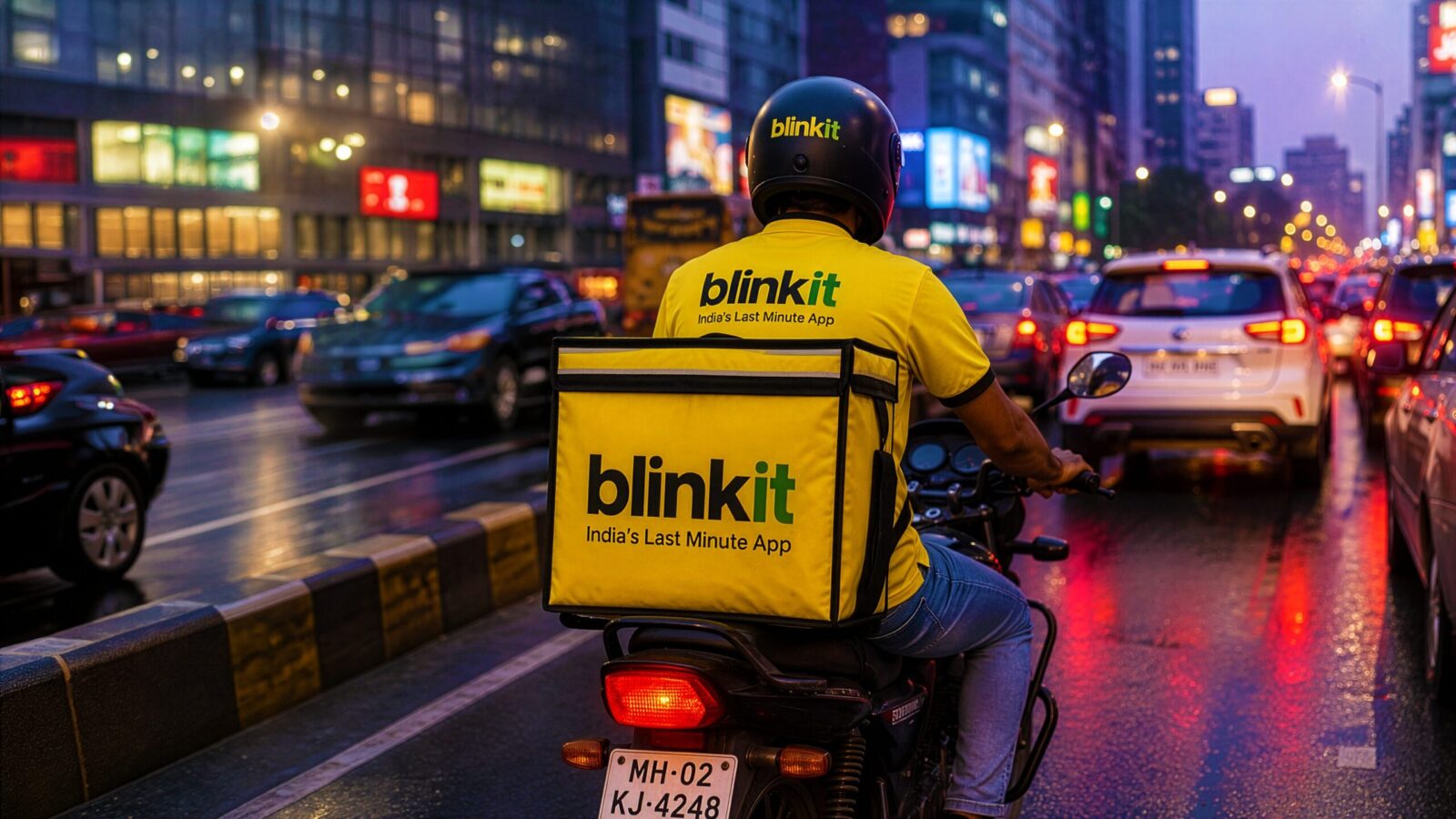
In 2024, Blinkit began quietly expanding its private label portfolio.
Almonds. Spices. Ghee. Butter. Basic categories where national FMCG brands hold strong positions but where consumer loyalty is relatively shallow, because the product delivers the same sensory experience regardless of whose logo is on the pack.
Blinkit’s private label has structural advantages that no independent FMCG brand can match on the platform. It has guaranteed first-placement in its own app’s search results. It has zero customer acquisition cost because the consumer is already using the platform. It has margin flexibility that comes from cutting out the brand owner entirely. And it controls the fulfilment chain end to end.
For established FMCG players, this is the digital equivalent of the kirana store owner putting their own product on the front shelf and moving yours to the back. Except on a quick commerce platform, “the back” means the third scroll, which is functionally invisible.
The categories most vulnerable are the ones where brand loyalty is built on familiarity rather than genuine product differentiation: commodities, staples, basic snacks. Exactly the categories where Blinkit’s private label is expanding.
Ghadi Detergent showed what happens when a well-priced, well-distributed product enters a category where consumer switching costs are low: given a product that works and a price meaningfully lower, a significant portion of consumers will switch and not return.
The quick commerce distribution shift has already changed how FMCG brands think about dark store placement and search visibility. The private label development is the logical next chapter: the platform does not want only the listing fee. It wants the margin too.
Parle-G survived every assault because it built distribution so deep that no competitor could be more present at the moment of purchase. The problem for FMCG brands on quick commerce is that Blinkit is already more present on its own platform than they can ever be.
This is the most structurally interesting brand competition in Indian FMCG right now, and it is playing out one almond pack at a time.