Coca-Cola and PepsiCo together controlled 93% of India’s organised soft drink market as recently as 2023.
By September 2025, their combined share had fallen to 85%.
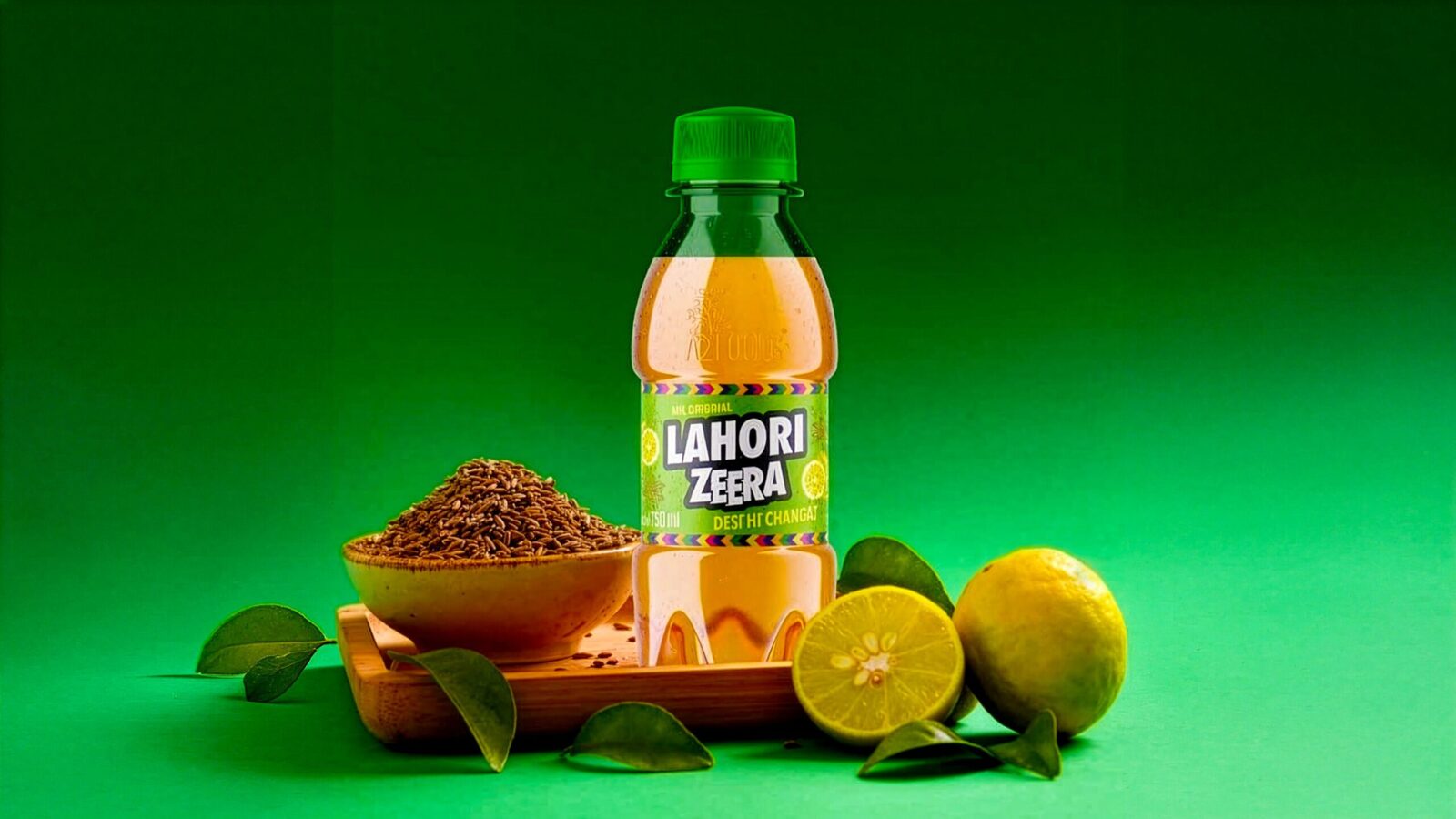
Part of that gap was filled by Reliance’s Campa at ₹10. Part of it was filled by something more unexpected: a jeera soda from Punjab that most consumers in Mumbai and Bangalore had never heard of.
Lahori Zeera was founded in 2017 in Fatehgarh Sahib by Saurabh Munjal, Nikhil Doda, and Saurabh Bhutna. The insight: India has 30-odd flavours of traditional spiced drinks that no national brand had ever taken seriously as a category. Jeera, nimbu, aam panna, imli. These were kiosk drinks, wedding drinks, roadside drinks. Nobody had put them in a clean bottle at a price point that competed with Pepsi on the same shelf.
Lahori went into tier 2 and tier 3 Punjab first. Distribution was hyper-local. No celebrity endorsement. No national media spend. The product sold on taste and familiarity: this was a drink people already knew, now in a clean bottle at ₹10 to ₹20.
The brand is now building its third plant in Lucknow, launching Lahori Aamras and Masala Cola, and plans to cover 80-90% pin codes within the next year.
This is the same distribution-first, price-discipline playbook that Ghadi Detergent used against Surf Excel: build from regional depth and consistent availability before adding advertising muscle, and let the product’s familiarity close the sale.
The brand also echoes Paper Boat‘s founding thesis almost exactly: if you name a drink that Indians grew up on but nobody had commercialised at scale, you own the emotional territory before any incumbent thinks to respond.
And at ₹10, Lahori Zeera is doing precisely what CavinKare did to shampoo in the 1990s: price at the point where purchase becomes impulse, and let the product’s taste convert the first-time buyer into a repeat customer.
No Bollywood. No board meetings in BKC. Just jeera and patience.