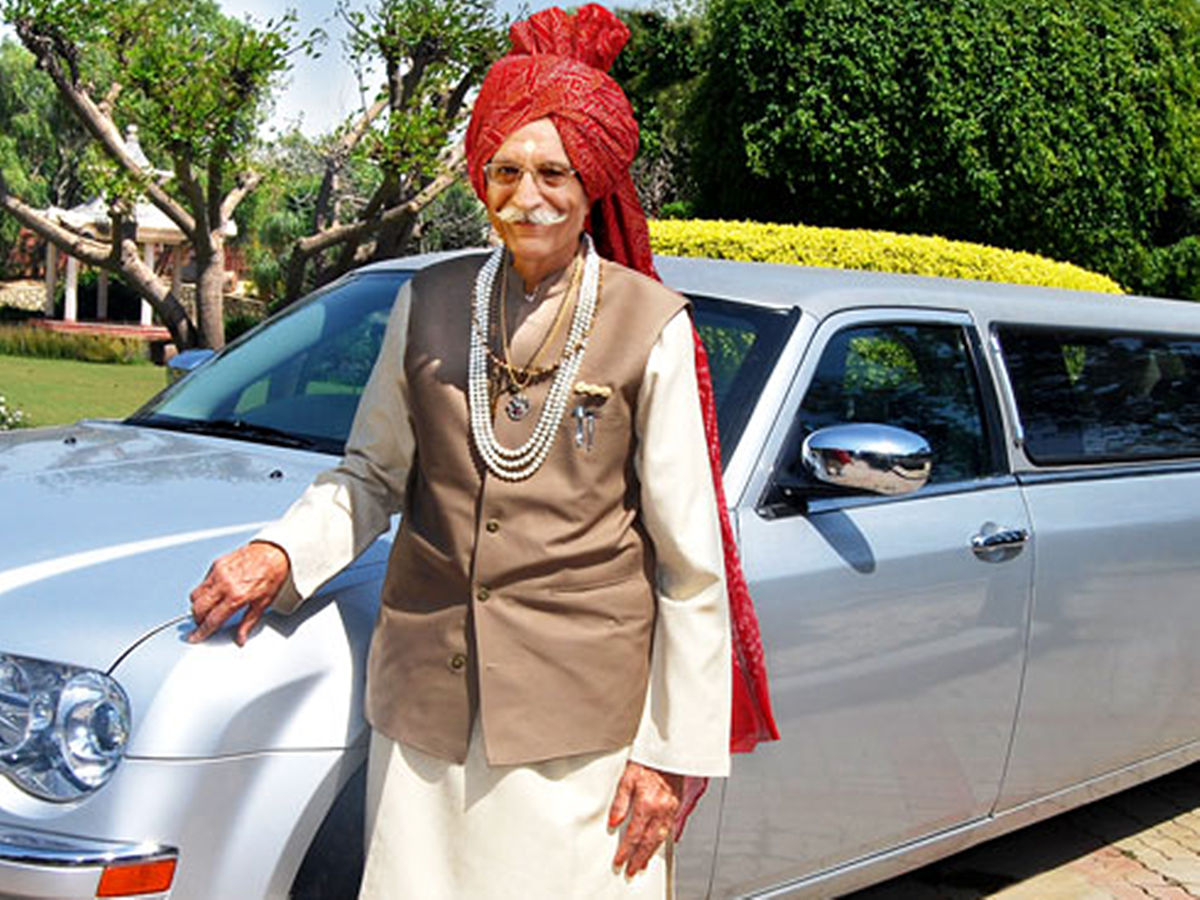
Most FMCG brands, when they choose a face, choose an aspirational figure, a celebrity, an athlete, a film star. MDH chose its founder. For five decades.
Mahashayji’s face on MDH packaging wasn’t a late-career nostalgia play. It was the strategy from the beginning. When MDH first advertised on Doordarshan in the 1970s, it wasn’t a hired ambassador promoting the brand. It was a Punjabi spice merchant from Delhi’s Khari Baoli market, in a traditional turban, genuinely passionate about masala quality.
The contrast with competitors was stark and powerful. Consumers trusted Mahashayji in a way they couldn’t trust a hired ambassador. The logic was obvious: this man has staked his name, his face, and his legacy on this product. He can’t afford for it to be bad.
This is what branding theorists call “skin in the game” trust signalling. The founder is demonstrably more credible than any celebrity because the founder cannot exit the product the way a celebrity exits a contract.
MDH’s packaging design reinforced this. Mahashayji’s face appeared on every SKU, not tucked into a corner but prominently placed, in regal traditional dress, looking directly at the consumer. The design hierarchy placed the man above the product name in terms of visual weight. The message: trust the man, and you trust the masala.
After his death in December 2020, MDH faced a genuine branding challenge: how do you maintain a brand identity built entirely around one person’s face? The company has retained his image, framing it now as brand heritage. Whether that works long-term remains to be seen but the lesson in building the brand is clear.
Takeaway
A founder’s face is the strongest trust signal in brand communication, more credible than any celebrity because it signals genuine accountability. The risk is succession: plan for what happens to the brand when the face is no longer available.