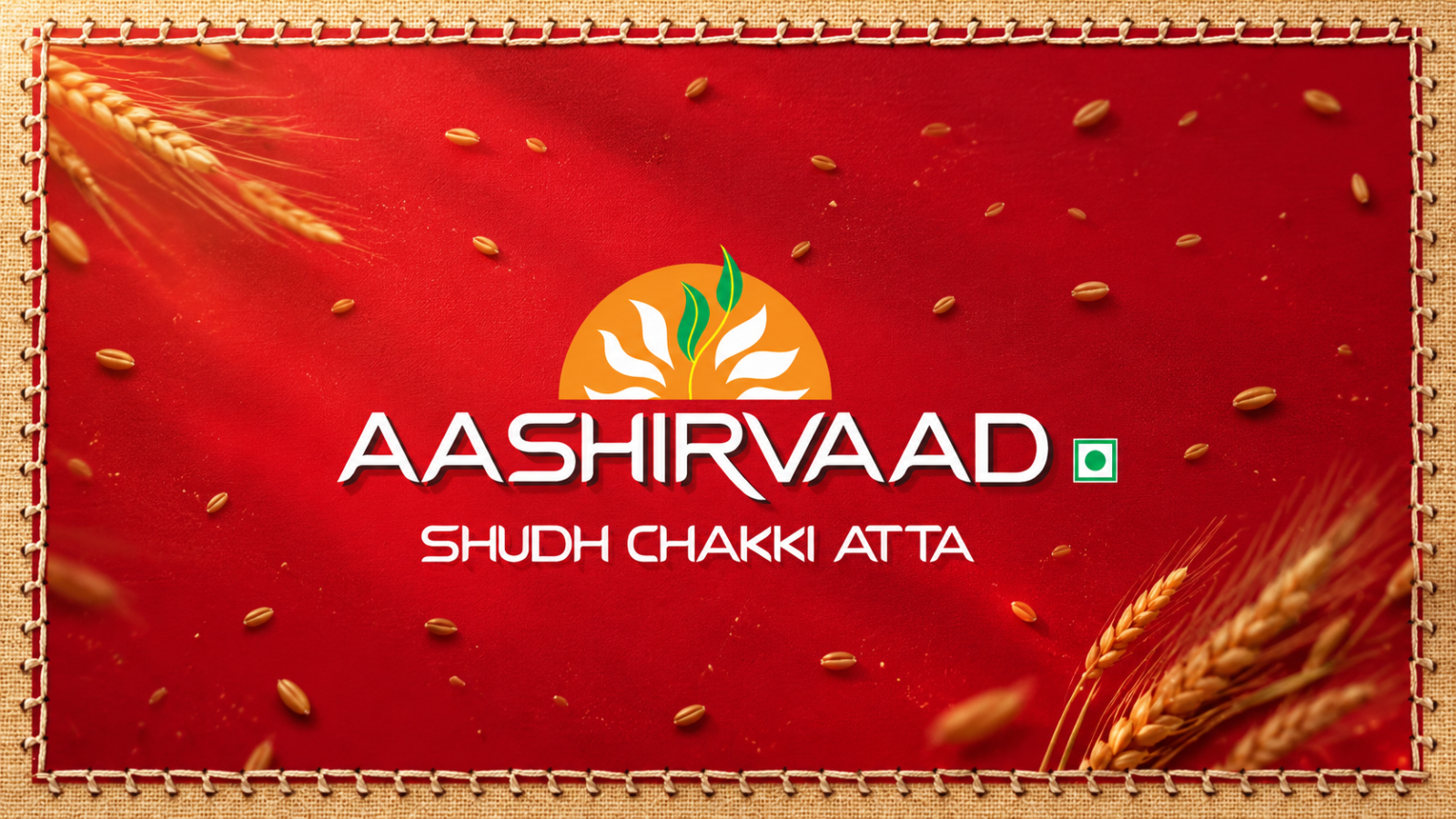
The timing was counterintuitive. Flour was as commoditized as it gets: most Indian families sourced wheat from their home state and ground it at the neighbourhood chakki. Paying more for a packet with a logo seemed genuinely alien to the category.
ITC had two advantages no pure-play FMCG company could replicate. Its e-Choupal network (6,500 internet kiosks across 40,000 villages connected to 4 million farmers) gave it sourcing quality and price control that no competitor could match. Its cigarette distribution network gave it access to 6 million retail outlets before Aashirvaad moved a single pack.
The brand strategy was simple: premium quality, consistent taste, clean packaging. Not commodity. Not regional. A national branded product any Indian family could trust regardless of which state they lived in.
Distribution did the heavy lifting that marketing could not. A product in 6 million stores is not a launch. It is an availability fait accompli.
How Marico used distribution infrastructure to turn loose coconut oil into a nationally trusted brand before investing significantly in advertising shows the same playbook: route-to-market strength compounds brand investment in ways advertising cannot replicate.
Aashirvaad hit ₹1,000 crore in revenue by 2010 and ₹5,000 crore by 2018. The branded atta category it created now exceeds ₹15,000 crore annually. Pillsbury, Captain Cook, and dozens of regional brands followed into a market ITC proved existed.
The brand expanded methodically: Aashirvaad Salt, Aashirvaad Spices, Aashirvaad Dairy. The masterbrand logic was clear: a quality signal for Indian kitchen staples, backed by the same supply chain discipline that built the original atta.
How Tata Salt used emotional positioning to build trust in an identical commodity category where product differentiation was structurally impossible offers a direct comparison: two different strategies for the same fundamental challenge of making a commodity worth a brand premium.
ITC’s FMCG business crossed ₹20,000 crore in FY24. Aashirvaad remains its largest non-cigarette brand.
How Dabur transitioned from Ayurvedic pharmacy to multi-category FMCG by holding its quality positioning steady through three decades of portfolio expansion parallels ITC’s strategy: build one quality anchor, then extend across adjacent categories with the same promise.
Commodity categories are not price-locked. They are trust-locked. Give consumers a reason to trust a name over a sack, and they will pay the premium every single time.