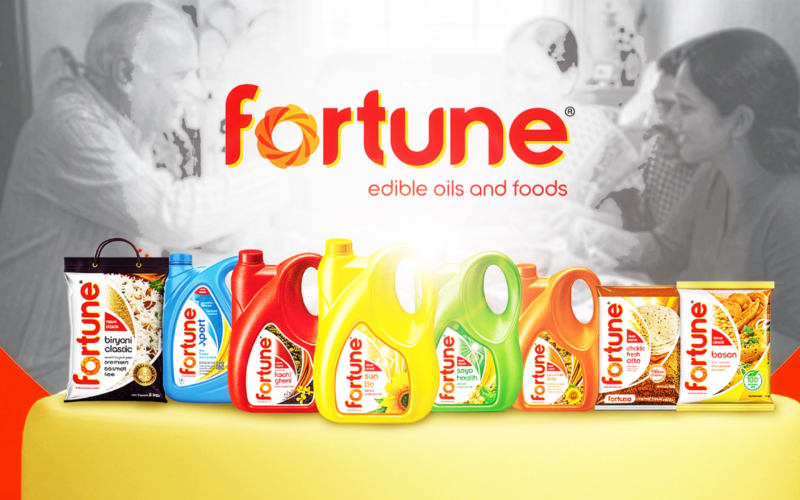
Fortune became India's largest edible oil brand not through advertising but by making a sealed, branded bottle the default choice over loose oil bought by weight, kitchen by kitchen.
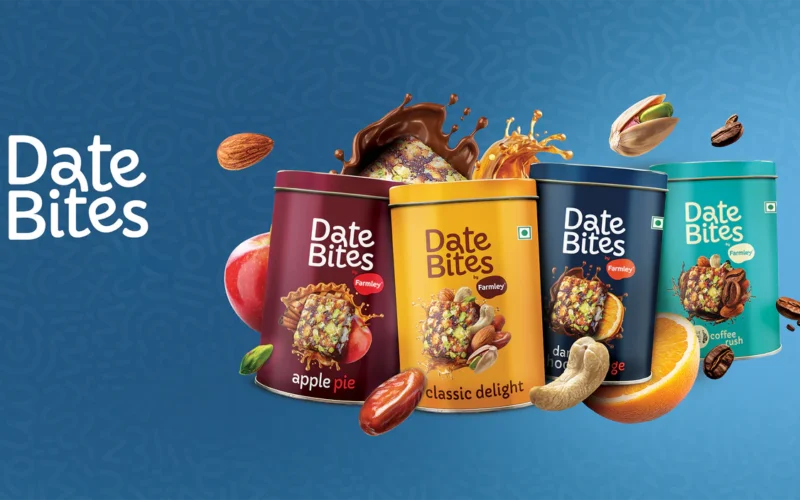
Most Indians buy dry fruits from a kirana, scooped loose into a paper bag with no brand name, no traceability, and no quality guarantee. Farmley decided that the same consumer who was happy to buy branded biscuits and branded salt would also pay for branded almonds, if someone gave them a credible reason to trust the pack. They were right. Revenue hit ₹370 crore.
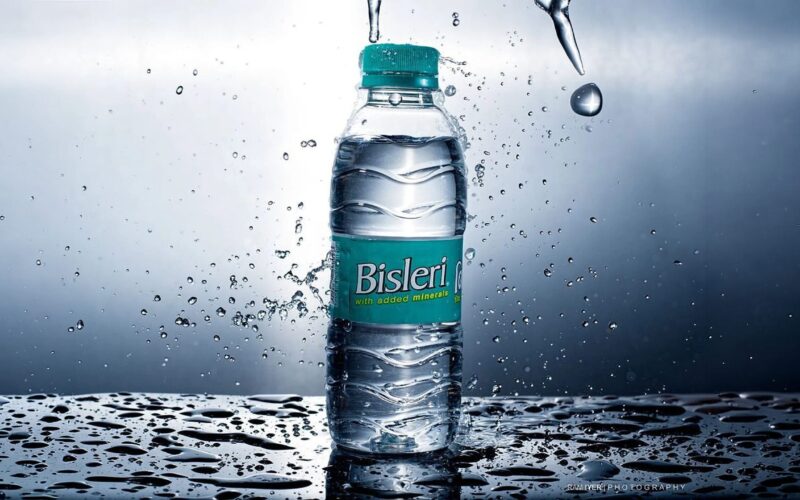
Ramesh Chauhan bought Bisleri from an Italian company in 1969 for ₹4 lakh. When he sold it to Coca-Cola in 1993 and bought it back two years later, he saw something the multinational missed. The repurchase built one of India's most studied brand moats.
Wheat flour was a commodity Indian households milled at their local chakki. The idea of paying a brand premium for it seemed absurd. ITC spent ₹100 crore in two years to prove otherwise and created a category worth ₹15,000 crore in the process.
·Editor's Desk
Cookie Consent
We use cookies to improve your experience on our site. By using our site, you consent to cookies.
Cookie Preferences
Manage your cookie preferences below:
Essential cookies enable basic functions and are necessary for the proper function of the website.
Name
Description
Duration
Cookie Preferences
This cookie is used to store the user's cookie consent preferences.
30 days
Statistics cookies collect information anonymously. This information helps us understand how visitors use our website.
Google Analytics is a powerful tool that tracks and analyzes website traffic for informed marketing decisions.
Contains information related to marketing campaigns of the user. These are shared with Google AdWords / Google Ads when the Google Ads and Google Analytics accounts are linked together.
90 days
__utma
ID used to identify users and sessions
2 years after last activity
__utmt
Used to monitor number of Google Analytics server requests
10 minutes
__utmb
Used to distinguish new sessions and visits. This cookie is set when the GA.js javascript library is loaded and there is no existing __utmb cookie. The cookie is updated every time data is sent to the Google Analytics server.
30 minutes after last activity
__utmc
Used only with old Urchin versions of Google Analytics and not with GA.js. Was used to distinguish between new sessions and visits at the end of a session.
End of session (browser)
__utmz
Contains information about the traffic source or campaign that directed user to the website. The cookie is set when the GA.js javascript is loaded and updated when data is sent to the Google Anaytics server
6 months after last activity
__utmv
Contains custom information set by the web developer via the _setCustomVar method in Google Analytics. This cookie is updated every time new data is sent to the Google Analytics server.
2 years after last activity
__utmx
Used to determine whether a user is included in an A / B or Multivariate test.
18 months
_ga
ID used to identify users
2 years
_gali
Used by Google Analytics to determine which links on a page are being clicked
30 seconds
_ga_
ID used to identify users
2 years
_gid
ID used to identify users for 24 hours after last activity
24 hours
_gat
Used to monitor number of Google Analytics server requests when using Google Tag Manager