Brand Journal
CavinKare Buys What It Cannot Build
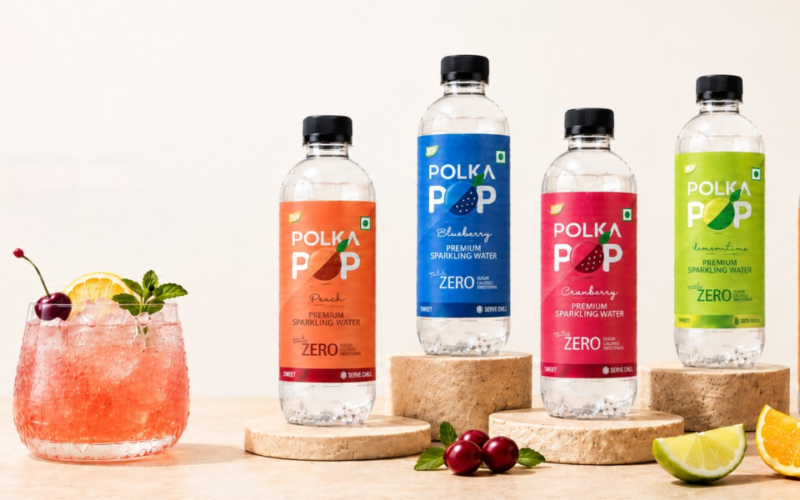
CavinKare's acquisition of Polka Pop shows what to do when your own brand name is too mass-market to enter a premium category.
CavinKare's acquisition of Polka Pop shows what to do when your own brand name is too mass-market to enter a premium category.
Honasa Consumer's Q2 FY27 update proves that a brand house earns its structural advantage the moment the flagship matures, as younger brands take over the growth.
Lenskart launched Shunya, 37 culturally rooted frames, and turned its own app into a live concert venue, proving that a distribution channel can become the brand experience itself.
DailyObjects raised ₹332 crore and publicly retired its phone-case label, showing how naming a pivot is itself the brand move.
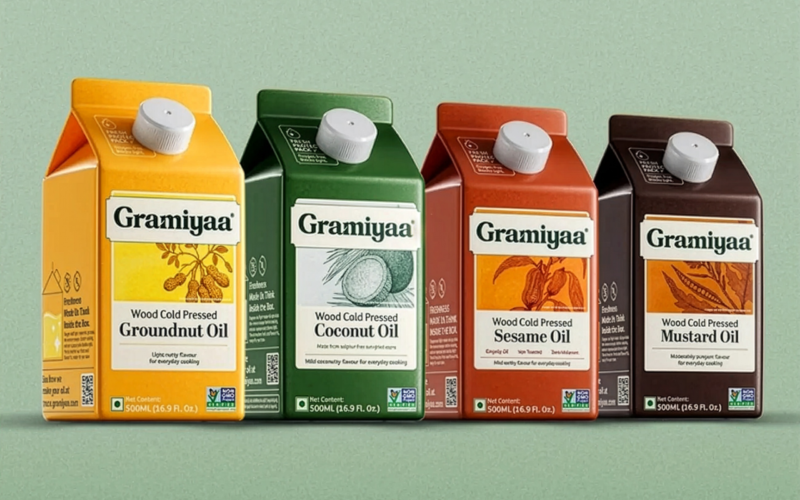
Gramiyaa raised a Rs 110 crore valuation by naming its extraction method rather than its benefit, proving a process claim beats a purity promise.
Borécha chose Swiggy Instamart as its first and only channel, turning 10-minute delivery into a brand signal for freshness and modern health.
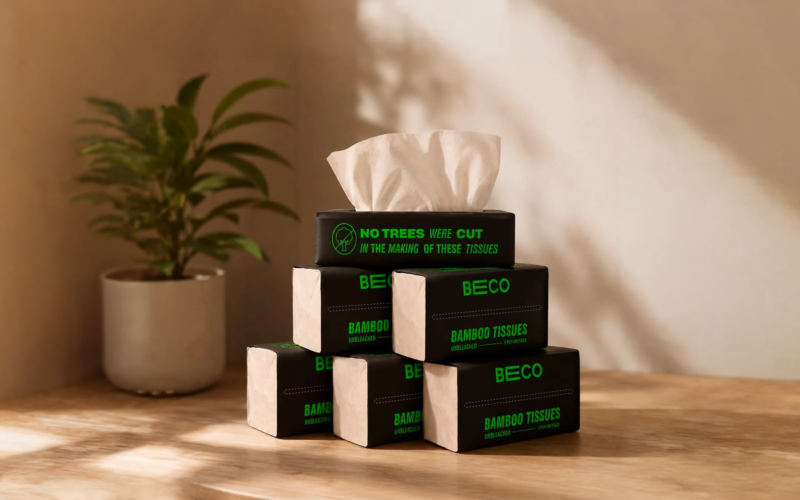
When a court ordered Beco to pull its ingredient-transparency campaign against HUL, the brand had already planted a question the market could not ignore.
Flux Theory shows why a celebrity who co-founds a brand, rather than endorses one, turns their own personality into the product architecture itself.
Himalaya Wellness timed its Turmeric Range to International Turmeric Day, revealing how any brand can own an ingredient by arriving first on the one day it trends.
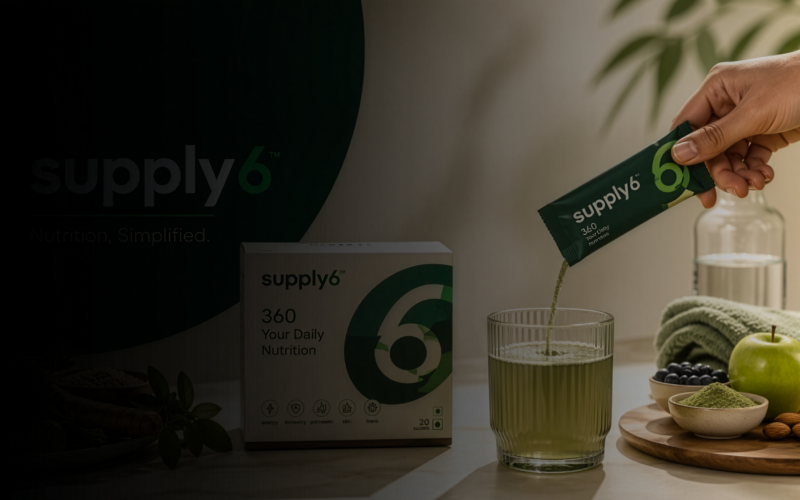
Supply6 is redefining everyday wellness by turning complex nutrition into a simple daily habit. With ₹48 crore in fresh funding, the Indian startup is positioning itself at the intersection of FMCG, foodtech and preventive health.
A lot of D2C brands sell products, very few build memorable identities.These 3 Indian brands stand out because they understand…