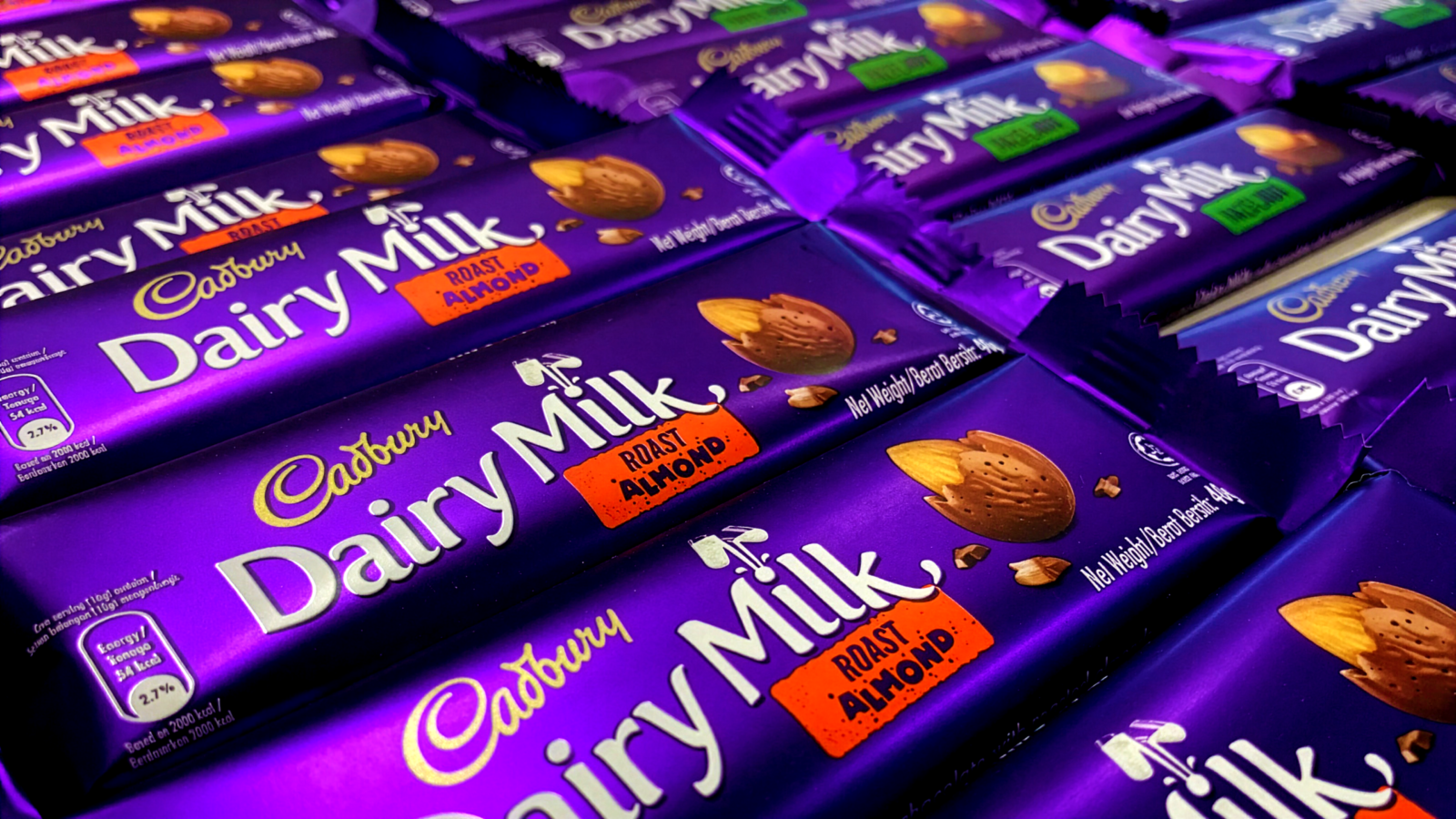
In October 2003, reports surfaced of worms found inside Cadbury Dairy Milk bars sold in Maharashtra. For a chocolate brand that had spent decades building itself into one of the most trusted names on an Indian shelf, it was close to a worst case scenario.
Cadbury’s immediate fix was operational: it redesigned its packaging with a new poly flow wrap specifically to prevent pest infiltration during storage and transit, and tightened quality checks across its retail supply chain. That fixed the product. It did nothing, on its own, to fix what consumers now believed about the brand.
The move that actually rebuilt trust was a campaign fronted by Amitabh Bachchan in 2004, putting one of India’s most credible faces behind a reassurance that the chocolate on shelves was safe again. Sales, which had dropped sharply in the months after the story broke, recovered within a year or two.
The lesson sits in the gap between the two responses. A packaging fix answers the practical question. It does not answer the emotional one, which is whether a consumer can trust the brand enough to put it in their child’s hand again. That question needed a human being the public already trusted, not a technical explanation nobody outside the supply chain could verify for themselves.
Tanishq faced a version of the same test after a 2020 ad triggered online backlash. What the brand did after the incident mattered more than the incident itself. Bisleri shows how deep trust, once built, can carry a brand through decades of competition. Surf Excel shows how emotional reassurance, delivered consistently, becomes a brand’s real moat.