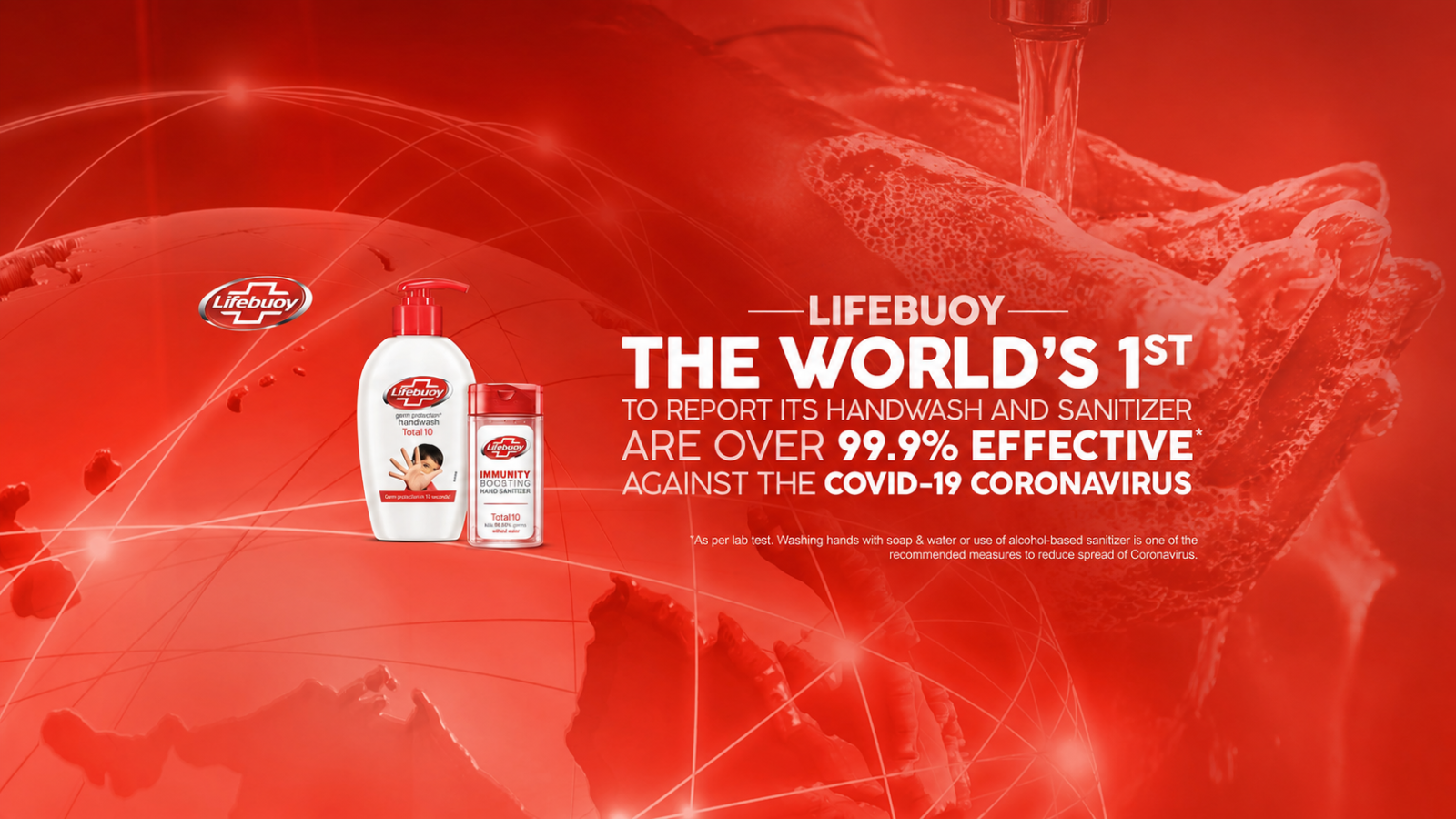
Lifebuoy has been sold in India since 1895. For most of its history, it was a carbolic soap with a distinct red colour and a smell associated with real disinfection. The brand owned the germ-killing position in Indian soap, and it was a defensible position.
By the late 1990s, Lifebuoy faced a structural problem: the premium soap market was growing, and premium consumers were trading up to Lux, Dove, and Pears, all HUL brands but higher-margin ones. Lifebuoy’s core consumer was rural, mass-market, and extremely price-sensitive.
The Swasthya Chetna (Glowing Health) programme launched in 2002 was a genuine behaviour change initiative: field teams went into rural communities and ran demonstrations showing the germ content on unwashed versus washed hands using glo-germ powder. The demonstrations were memorable, visceral, and effective. Diarrhoea rates dropped measurably in programme villages.
How Bombay Shaving Company built its brand by educating Indian men about a grooming routine they did not know they were missing, converting education into brand loyalty before the first transaction shows the same principle in a different category: education that genuinely changes behaviour creates a brand relationship that advertising never can.
Lifebuoy distributed 120 million packs of soap during the programme. The implicit message was explicit: Lifebuoy was the tool the health education you just received required.
The campaign won Cannes Lions. It was cited by the WHO. It was studied at Harvard. And it dramatically increased Lifebuoy’s penetration in rural markets that HUL’s media plan alone could not have reached.
How CavinKare‘s ₹0.50 sachet reached rural consumers that multinationals’ unit economics had excluded from their addressable market entirely shows the other half of this challenge: you can educate a consumer about a behaviour, but if your product is not priced for their reality, someone else captures the habit you created.
The result: Lifebuoy became the world’s largest soap brand by volume, selling over a billion units annually. HUL credited the Swasthya Chetna programme as a defining brand investment of that decade.
How MDH Masala built trust through a founder’s personal commitment that consumers could see and believe across 60 years of consistent presence offers the human-scale version of the same lesson: brand trust is built through actions that put something real on the line, not through claims alone.
The line between doing good and building brand equity is a comfortable one for academics to draw. Lifebuoy erased it permanently.