Buying meat online in India in 2015 was a trust problem.
Fish markets and butcher shops were visible. You could see the product, smell it, assess it. An online platform asked you to trust a box that arrived at your door. The hygiene concern was real and it was the category’s primary purchase barrier.
Most food brands build around the positive: taste, convenience, recipe ideas. Licious built around the fear.
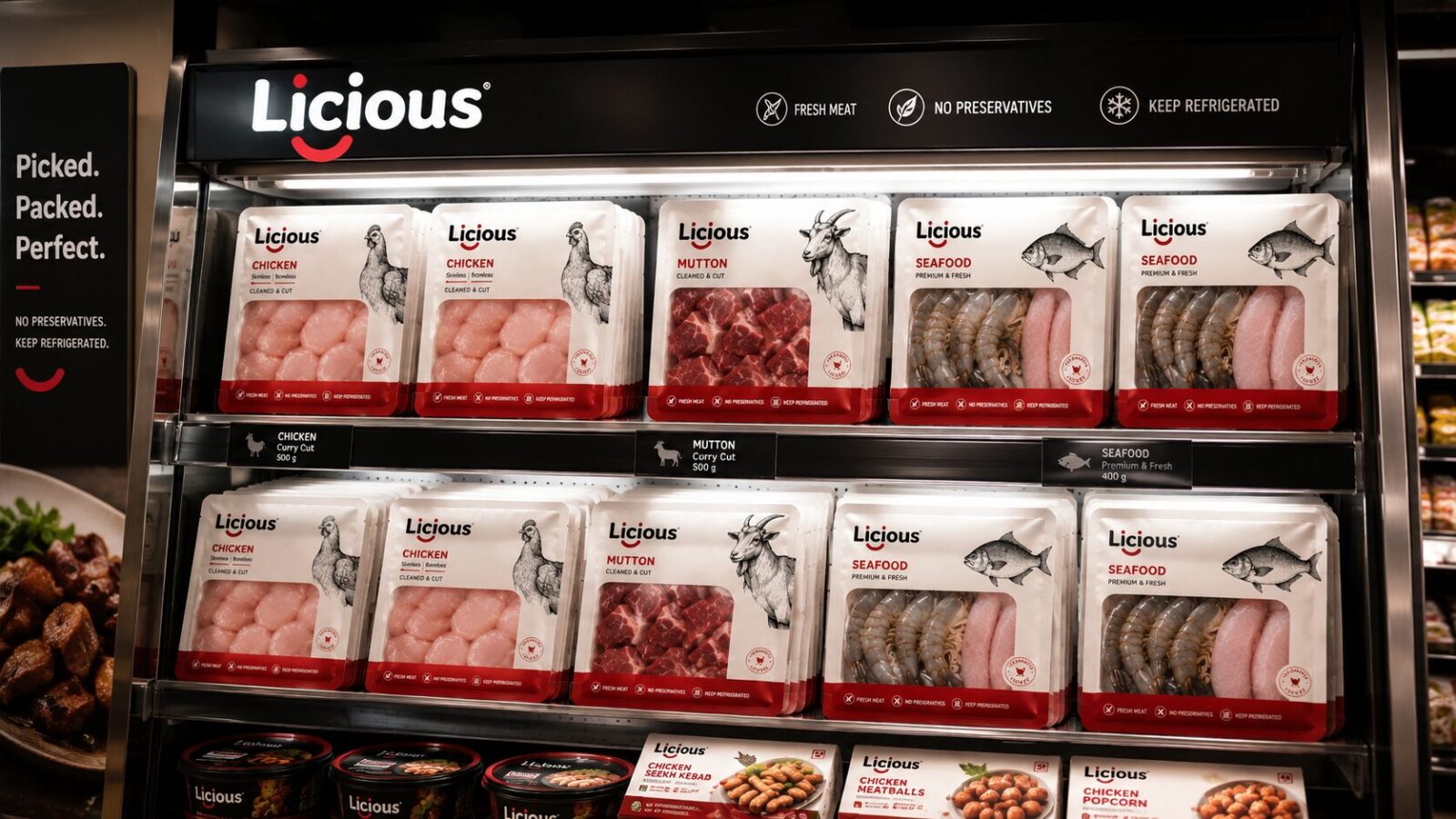
The brand invested in cold chain infrastructure (every delivery in a temperature-controlled box), stringent sourcing standards, and the communication of both in precise detail. The packaging was clinical in the way a pharmacy is clinical: clean, cold, verifiable. The brand’s language was exact about freshness windows and cut standards. Nothing was vague.
Every touchpoint said the same thing: we take hygiene more seriously than you do.
When you build a brand around a consumer’s anxiety rather than their aspiration, you do something unusual: you make the purchase feel safe before it feels exciting. Safety converts better than aspiration in any category where trust is the primary barrier.
How Wakefit eliminated the mattress showroom as the primary purchase anxiety by replacing it with a 100-night home trial that made evaluation honest shows the same structure: identify the single biggest barrier to purchase, remove it with product design, and let the removal be the brand story.
How Parachute built consumer trust in coconut oil by making purity visible through sealed packaging in a category where quality was previously unverifiable is the FMCG parallel: transparency about quality is more convincing than any claim about quality.
How Lifebuoy built brand trust in rural India by making the germ problem viscerally visible before offering the solution confirms the principle: addressing the fear directly and honestly converts better than promising the benefit abstractly.
Licious crossed ₹1,000 crore in revenue in FY23. It operates in 20+ cities. The cold chain is still the brand.