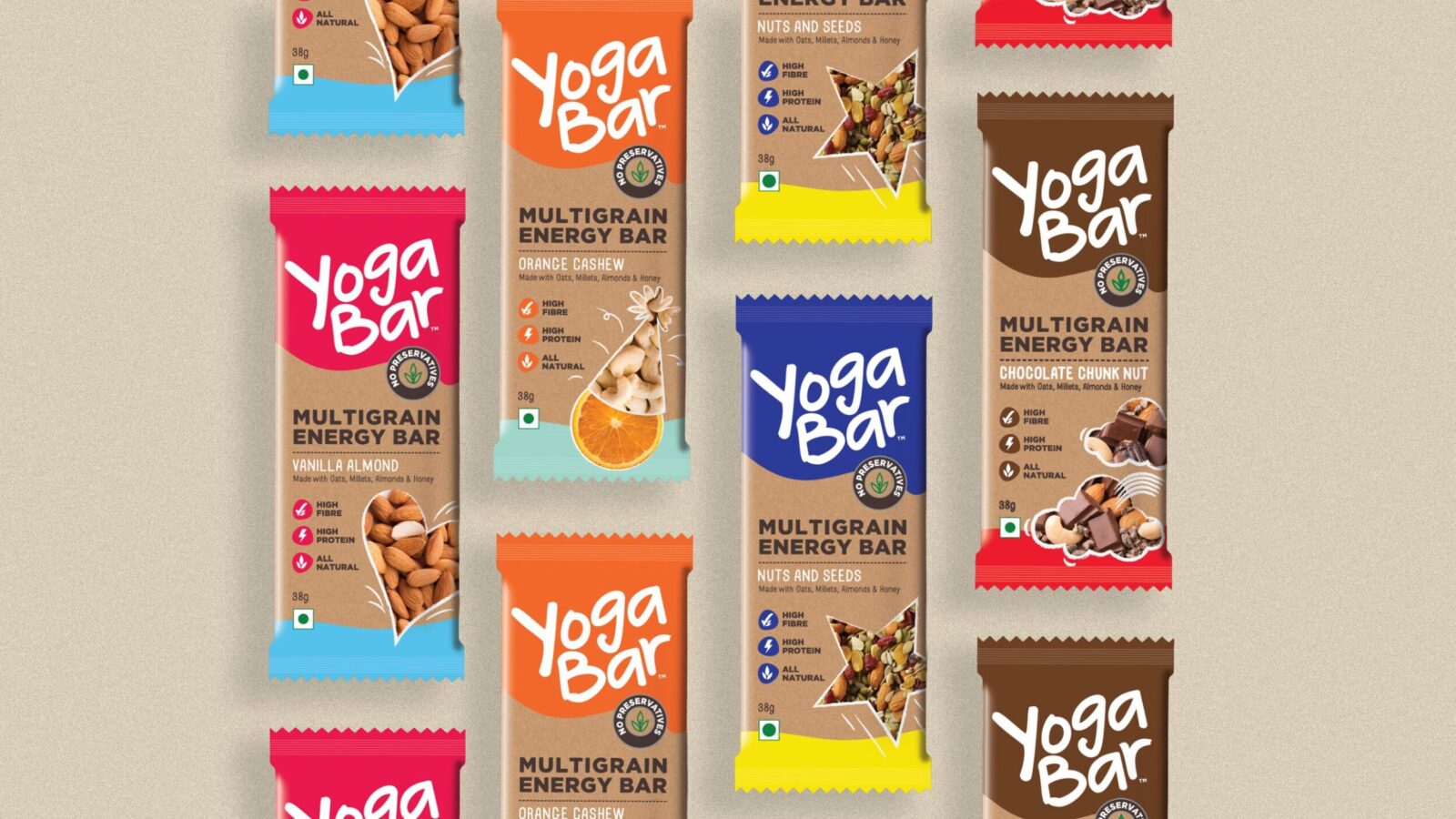
Yoga Bar was founded by Anindita and Suhasini Sampath in 2014. Clean-label nutrition bars, oats, granola, muesli. Its consumer: urban, health-conscious, 25 to 40, shopping online and in premium retail.
ITC’s existing FMCG portfolio had Aashirvaad (staples), Sunfeast (biscuits), and Bingo (snacks). Strong in volume categories. Invisible in health and nutrition. The health snacking category was growing at 20%+ annually while ITC watched from the outside.
Acquiring Yoga Bar bought ITC three things money cannot normally manufacture: brand credibility in health positioning, a D2C customer database of exactly the consumer ITC wanted to reach, and a founding team that knew how to build a food brand for urban millennials.
The Sampath sisters stayed on post-acquisition. Yoga Bar kept its packaging, its brand voice, and its clean-label commitment. ITC’s distribution then pushed it into channels Yoga Bar could never have reached independently.
This is the FMCG acquisition template of the decade: startup builds the brand, conglomerate provides the muscle. The risk is that the conglomerate’s culture erases the startup’s soul before the distribution advantage kicks in.
How Aashirvaad atta used ITC’s distribution infrastructure to dominate a commoditized category from its first year, reaching 6 million outlets before launch shows the distribution muscle Yoga Bar now has access to.
How Dabur managed the tension between heritage brand equity and modern FMCG ambition across 30 years of careful portfolio expansion shows the integration risk: acquired brands with strong identities are harder to absorb than product lines.
How Sleepy Owl created India’s cold brew coffee category from ₹50,000 in a kitchen and scaled it to ₹100 crore is the closest brand origin parallel: Yoga Bar and Sleepy Owl both built categories from scratch in health-adjacent spaces that seemed niche until they were not.
ITC’s FMCG business crossed ₹20,000 crore in FY24. Yoga Bar’s revenue has doubled since acquisition. The blueprint is working so far.