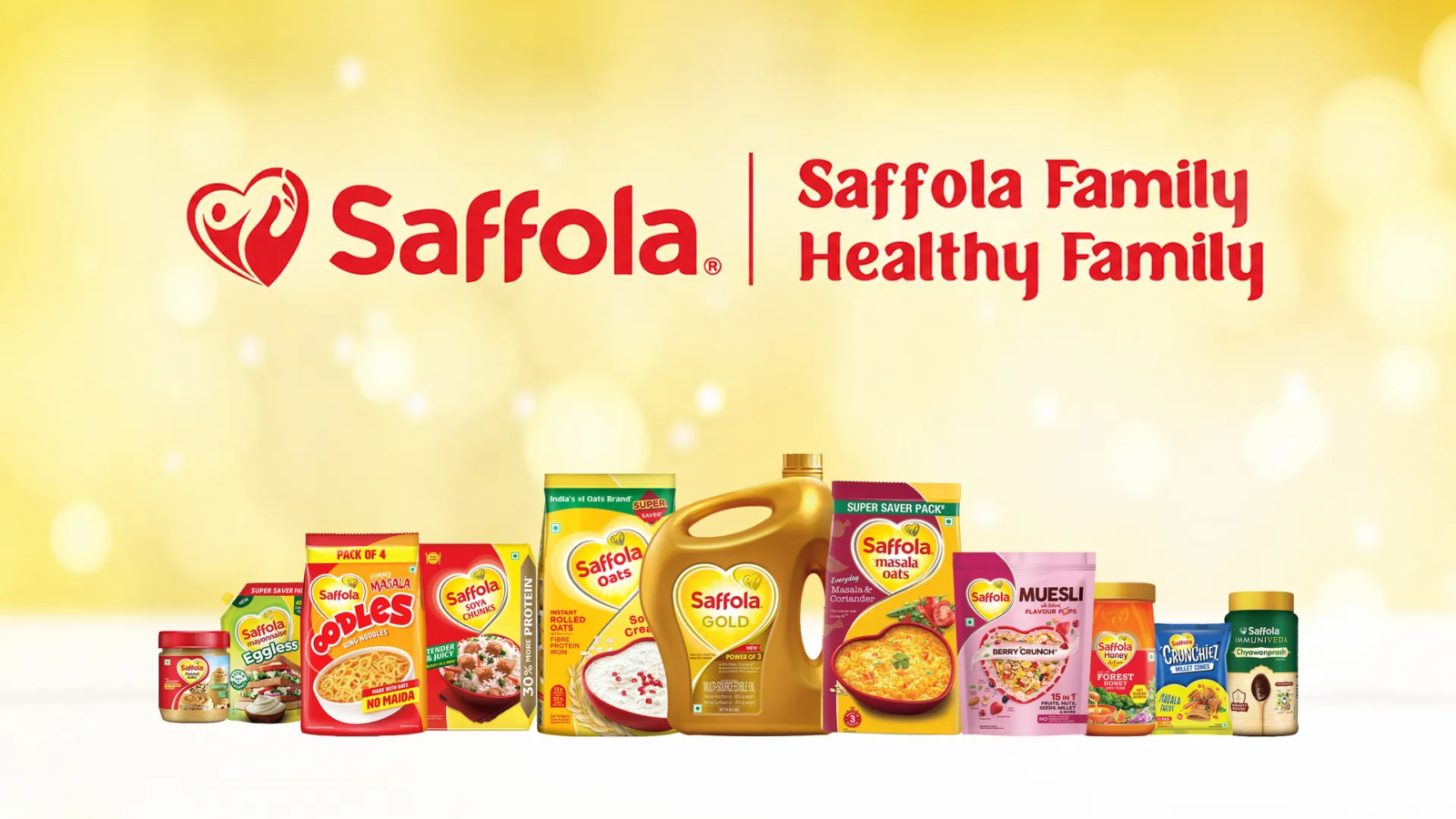
Marico launched Saffola in the 1960s as a refined cooking oil built around a single, then unusual, promise for an Indian kitchen: this oil is good for your heart.
At a time when cooking oil was bought almost entirely on price and regional taste preference, mustard in the East, groundnut in the West, Saffola sold something nobody else in the aisle was selling: a reason to worry less about a heart attack. The brand ran awareness campaigns around cardiovascular risk in Indian households years before “heart health” became a familiar phrase on an FMCG shelf.
That single positioning decision let Saffola charge a premium in a category every other player was fighting to sell as cheaply as possible. Marico later extended the same health-first territory into oats, muesli and a wider “healthy living” portfolio, all inheriting credibility from the original heart-health promise the oil had spent decades building.
Cooking oil, on its own, is close to a commodity. Consumers can’t taste or see the difference between two refined oils in a blind test. Saffola won by refusing to compete on the commodity at all, and selling the outcome, a longer, healthier life, instead of the ingredient.
WOW Skin Science runs a version of the same instinct in skincare, building trust around ingredients rather than marketing claims. Minimalist takes ingredient transparency even further as its entire brand promise. ITC’s acquisition of Yoga Bar shows how much a large FMCG player will now pay to own a slice of the same health-led territory Saffola pioneered decades earlier.