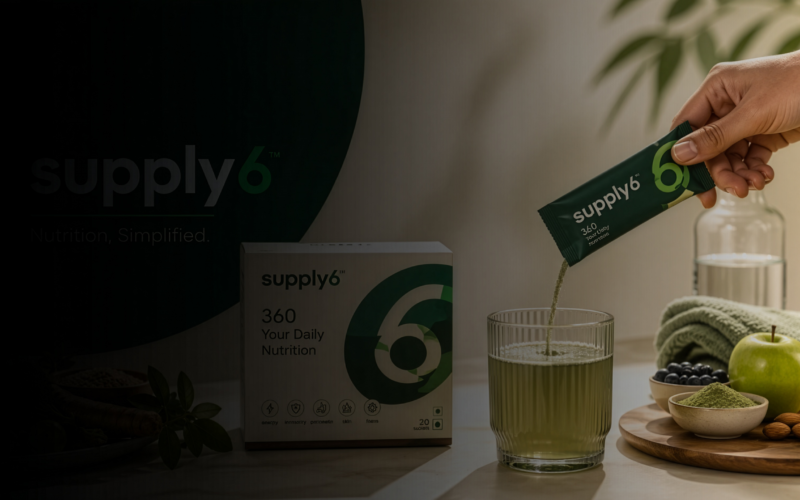
Supply6 is redefining everyday wellness by turning complex nutrition into a simple daily habit. With ₹48 crore in fresh funding, the Indian startup is positioning itself at the intersection of FMCG, foodtech and preventive health.
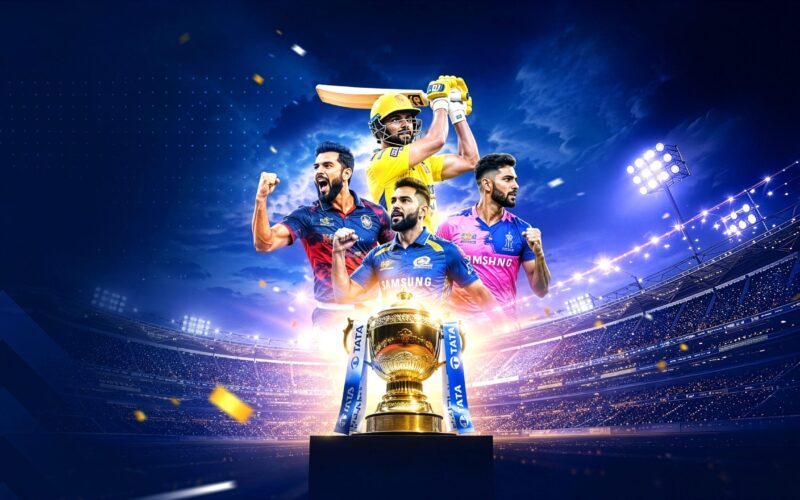
Campa Cola used IPL 2025 to go from a regional nostalgia play to a genuinely national brand. Zepto, Dream11, and Tata AIA did the same thing for different reasons. What makes IPL different from every other media property in India is what it delivers that nothing else can: simultaneous attention from every tier of the Indian consumer market.
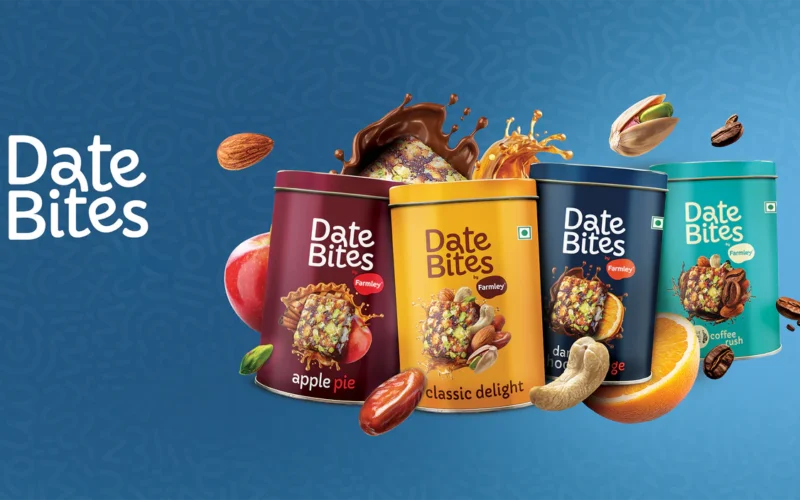
Most Indians buy dry fruits from a kirana, scooped loose into a paper bag with no brand name, no traceability, and no quality guarantee. Farmley decided that the same consumer who was happy to buy branded biscuits and branded salt would also pay for branded almonds, if someone gave them a credible reason to trust the pack. They were right. Revenue hit ₹370 crore.
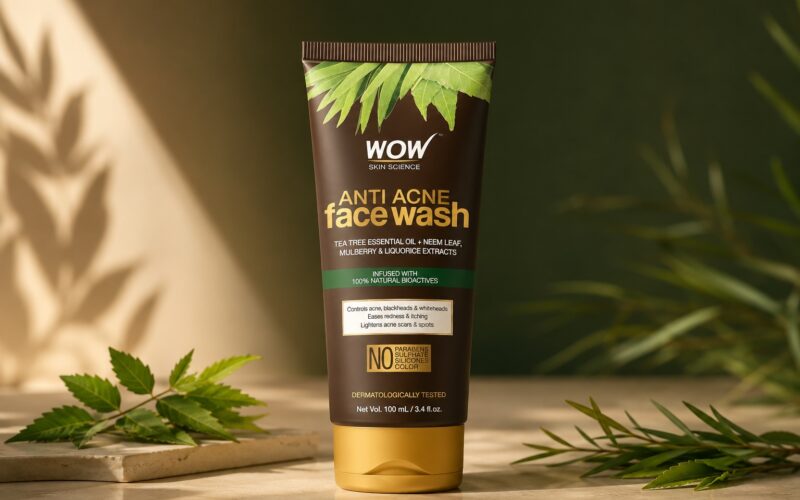
For five years, WOW Skin Science sold almost entirely through Amazon and its own website. No Nykaa shelf. No pharmacy presence. No modern trade listing. By the time it expanded offline, it already had a brand that pulled consumers toward it rather than needing the shelf to introduce it. The sequence was entirely deliberate.
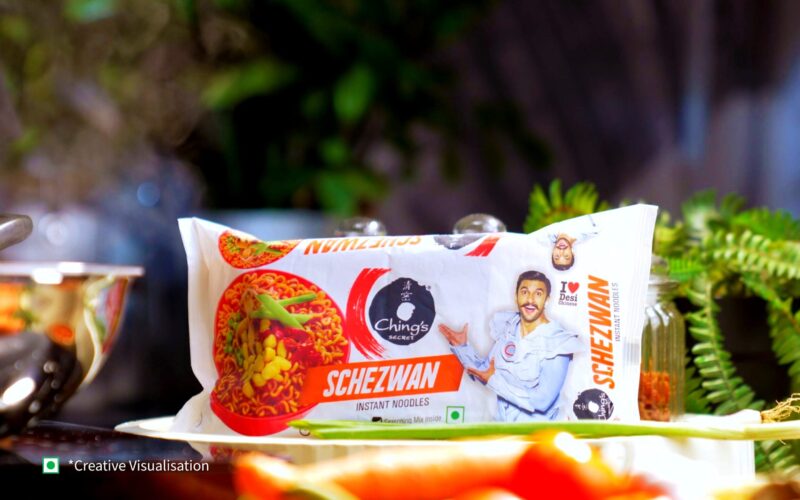
In January 2024, Tata Consumer Products announced it would acquire Capital Foods, owner of Ching's Secret and Smith and Jones, for ₹5,100 crore. The valuation raised eyebrows. The category logic is airtight: Ching's Secret invented "Desi Chinese" as a consumer food category and has no meaningful national competitor for that position.
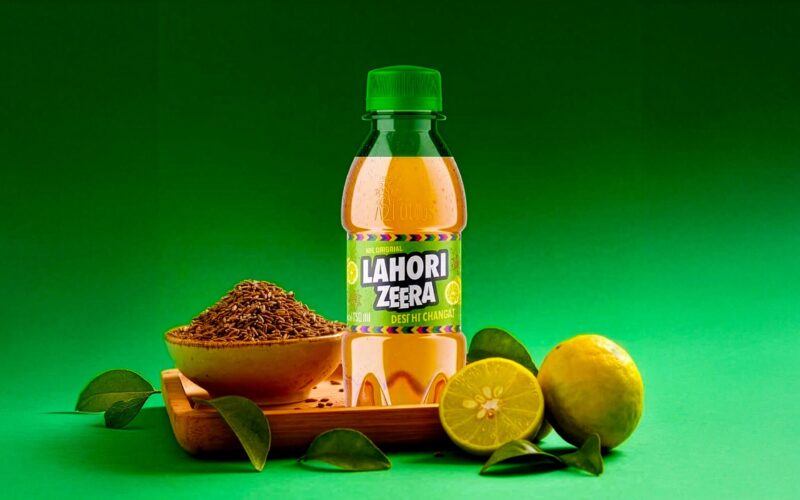
Three cousins in Punjab's Fatehgarh Sahib started bottling a spiced jeera drink in 2017. By 2025, Lahori Zeera had doubled its combined market share to nearly 10% in a market Coca-Cola and PepsiCo had controlled for 30 years. The strategy was almost embarrassingly simple.
Quick commerce grew from urban experiment to national infrastructure between 2022 and 2024. For Indian FMCG brands, the distribution shift is as significant as the move from traditional to modern trade 20 years ago. The brands that got there first are already pulling away.
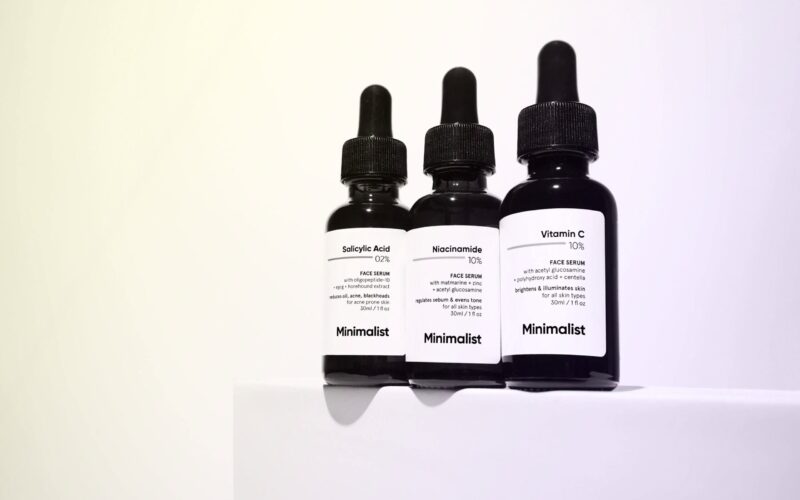
In March 2025, Hindustan Unilever paid ₹2,955 crore for a 90.5% stake in a skincare brand that had existed for four years. Minimalist had ₹514 crore in revenue and a single idea: tell consumers exactly what percentage of each active ingredient is in the bottle. That idea is now HUL's most expensive acquisition in the D2C space.
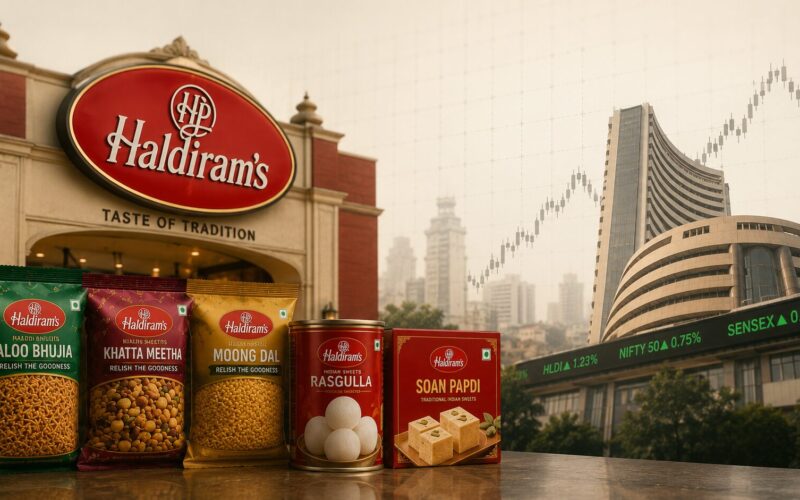
The Haldiram's family has never needed to market itself to investors. Its three branches have built a ₹50,000 crore empire on namkeen and sweets. Going public changes the one thing that was never a problem when the family owned the narrative.
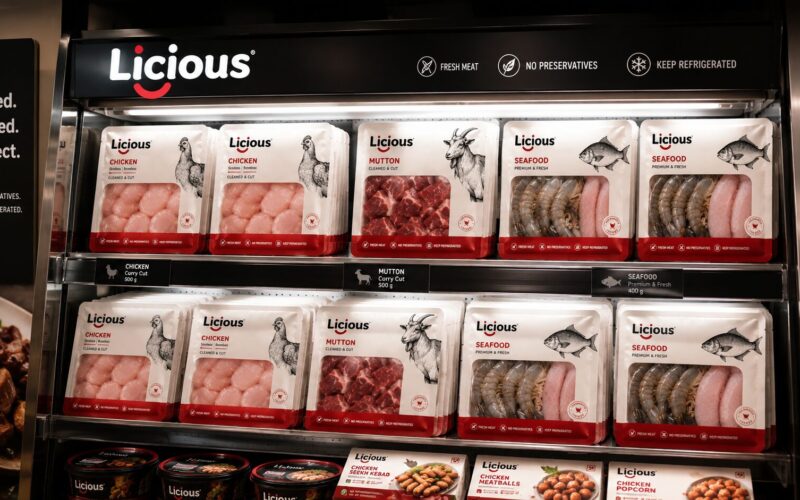
Abhay Hanjura and Vivek Gupta launched Licious in 2015 into a category with one dominant consumer fear: freshness and hygiene when buying online. Instead of hiding that fear, they put it at the centre of everything.
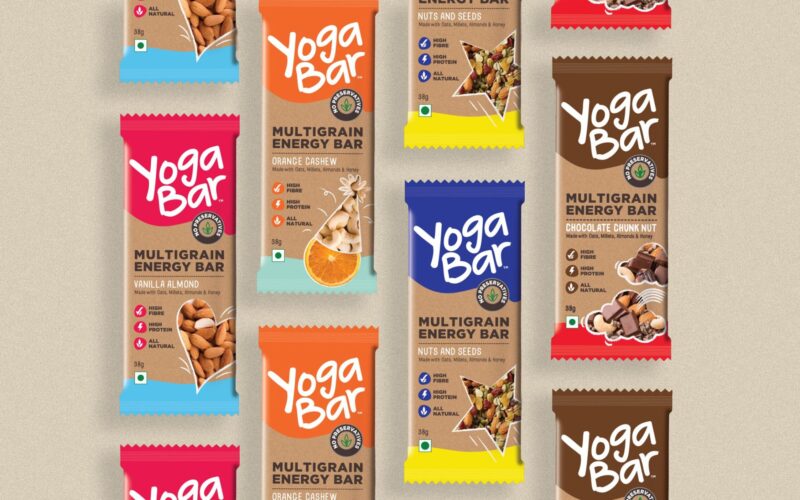
When ITC acquired Yoga Bar in 2022, most coverage focused on the valuation. The more interesting question: why would a company that sells cigarettes, atta, and instant noodles pay a premium for a barely-profitable health bar brand? The answer tells you everything about where Indian FMCG is heading.
Before Nykaa had meaningful product inventory, it had beauty tutorials. The editorial team published how-to content, ingredient guides, trend roundups,…
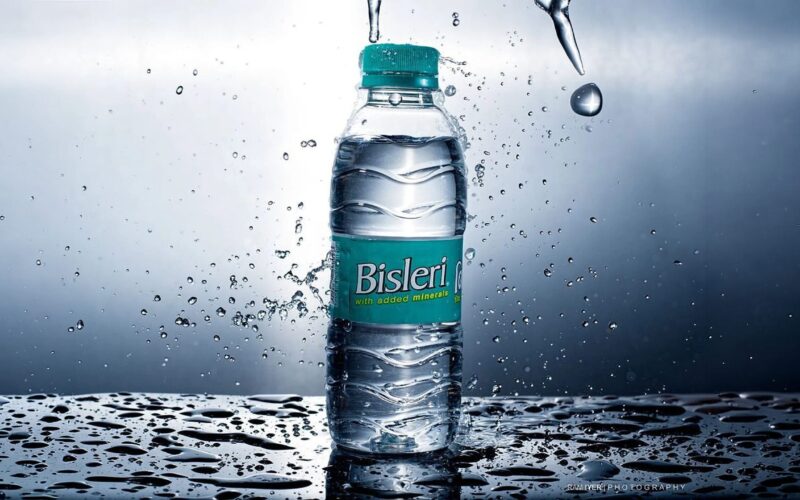
Ramesh Chauhan bought Bisleri from an Italian company in 1969 for ₹4 lakh. When he sold it to Coca-Cola in 1993 and bought it back two years later, he saw something the multinational missed. The repurchase built one of India's most studied brand moats.
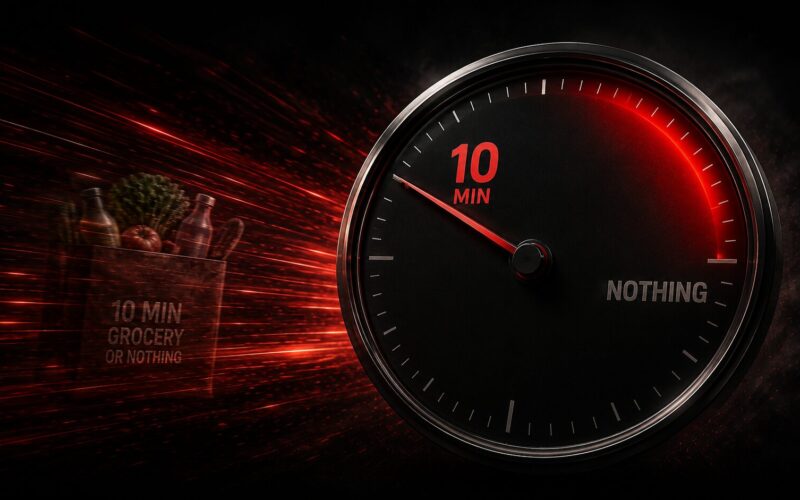
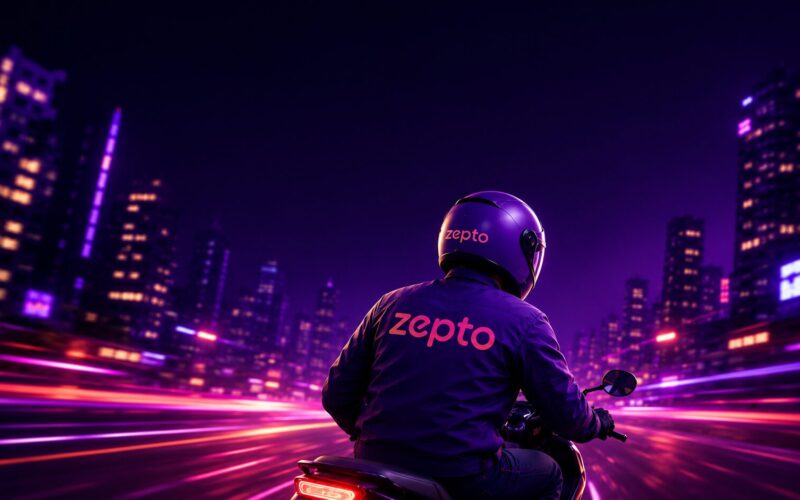
Aadit Palicha and Kaivalya Vohra launched Zepto in 2021 with a single promise: delivery in 10 minutes. Every brand decision since has been about defending and dramatising that number. The 10-minute window is not a feature. It is the brand.
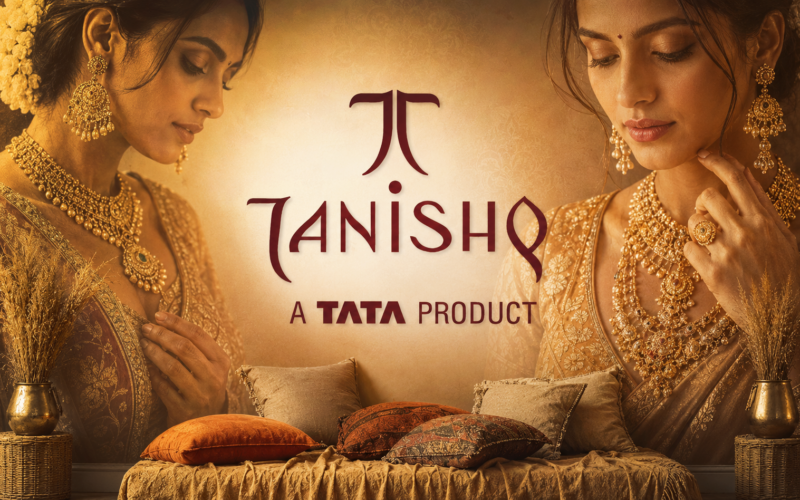
In October 2020, Tanishq released a 45-second film showing a Hindu bride's baby shower hosted by her Muslim in-laws. After organised outrage, the ad was pulled within 24 hours. What the brand did next is more instructive than the controversy.
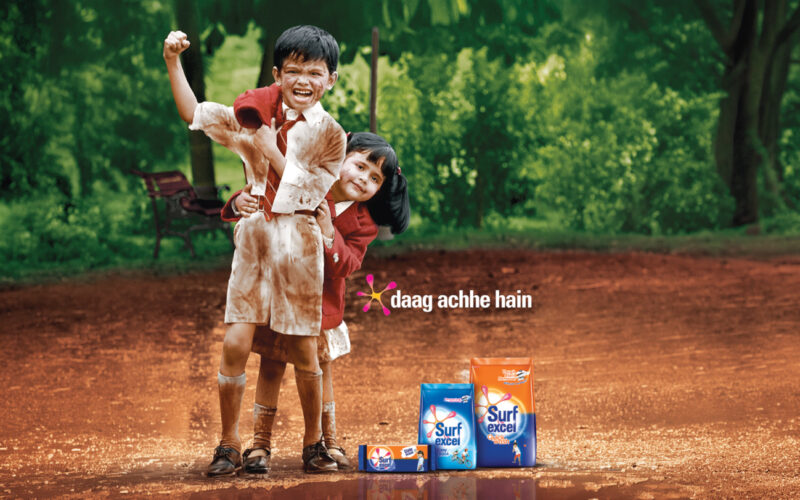
In 2005, every detergent brand in India was running the same ad: stain, powder, clean result. Surf Excel threw the formula out and replaced it with "Daag Acche Hain." The gamble held for 15 years and made Surf Excel one of India's most recalled brand ideas.
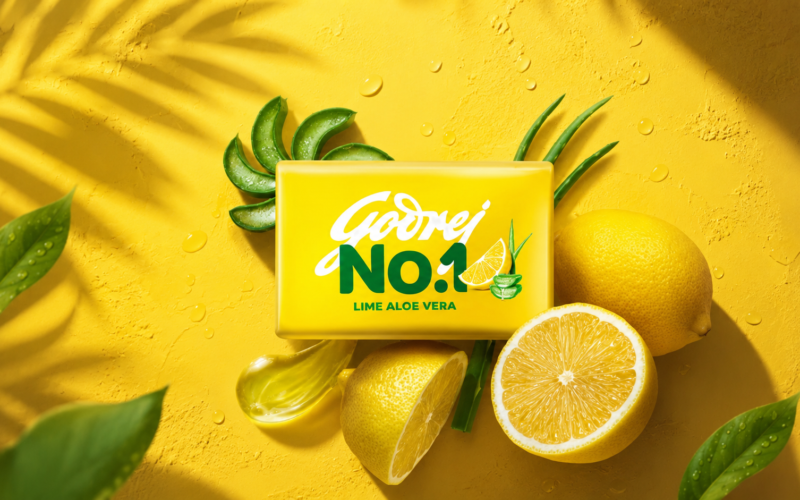
Godrej Consumer Products needed a volume anchor in mass-market soap. The insight was to find the price point below HUL's cheapest offering and hold it with a better product. Godrej No.1 became India's second-largest toilet soap brand by volume by refusing to compete on anything except value and availability.
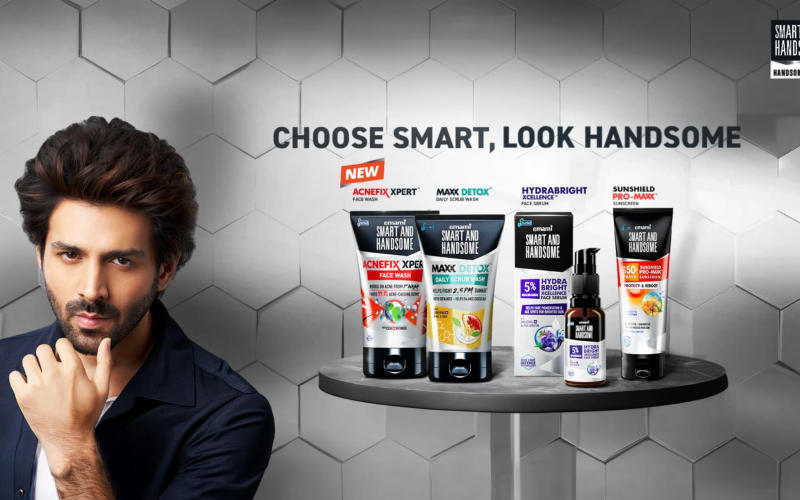
For 15 years, Fair and Handsome was India's leading men's fairness cream. In 2020, Emami quietly rebuilt the brand around confidence rather than complexion. The rebrand was one of Indian FMCG's most deft cultural pivots and it was executed six months before HUL moved on the same problem.
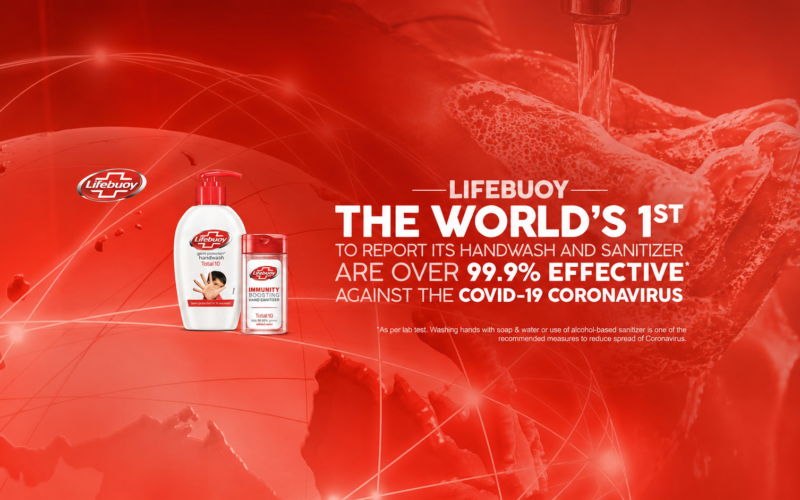
HUL's Lifebuoy Swasthya Chetna programme reached 130 million people in 44,000 villages and measurably reduced diarrhoea in participating communities. It also increased soap sales. The line between behaviour change and brand building had never been this blurred or this powerful.
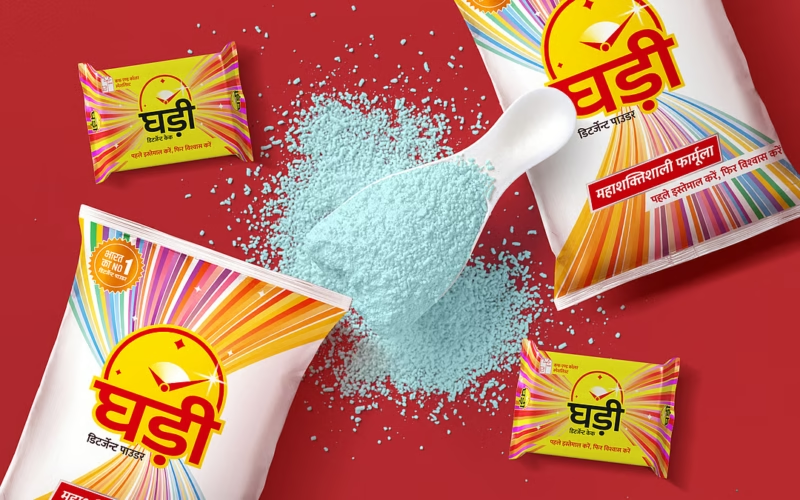
In the early 2000s, Surf Excel had HUL's full weight behind it. Ghadi Detergent had a Kanpur factory and a distribution team that treated every village kirana store like a key account. By 2012, Ghadi was India's bestselling detergent by volume. Here is how.
Contains information related to marketing campaigns of the user. These are shared with Google AdWords / Google Ads when the Google Ads and Google Analytics accounts are linked together.
90 days
__utma
ID used to identify users and sessions
2 years after last activity
__utmt
Used to monitor number of Google Analytics server requests
10 minutes
__utmb
Used to distinguish new sessions and visits. This cookie is set when the GA.js javascript library is loaded and there is no existing __utmb cookie. The cookie is updated every time data is sent to the Google Analytics server.
30 minutes after last activity
__utmc
Used only with old Urchin versions of Google Analytics and not with GA.js. Was used to distinguish between new sessions and visits at the end of a session.
End of session (browser)
__utmz
Contains information about the traffic source or campaign that directed user to the website. The cookie is set when the GA.js javascript is loaded and updated when data is sent to the Google Anaytics server
6 months after last activity
__utmv
Contains custom information set by the web developer via the _setCustomVar method in Google Analytics. This cookie is updated every time new data is sent to the Google Analytics server.
2 years after last activity
__utmx
Used to determine whether a user is included in an A / B or Multivariate test.
18 months
_ga
ID used to identify users
2 years
_gali
Used by Google Analytics to determine which links on a page are being clicked
30 seconds
_ga_
ID used to identify users
2 years
_gid
ID used to identify users for 24 hours after last activity
24 hours
_gat
Used to monitor number of Google Analytics server requests when using Google Tag Manager